

Something changed in federal law November 2025 that quietly reshaped a huge part of my business, and this week, Congress just bought everyone a little more time. If you’ve been following along, you already know I’ve been talking about “the hemp bill changes” for a few weeks in my newsletters. I wanted to lay out, in plain English, exactly what’s happening, why it matters, and what it means for my business and the Bliss product line.
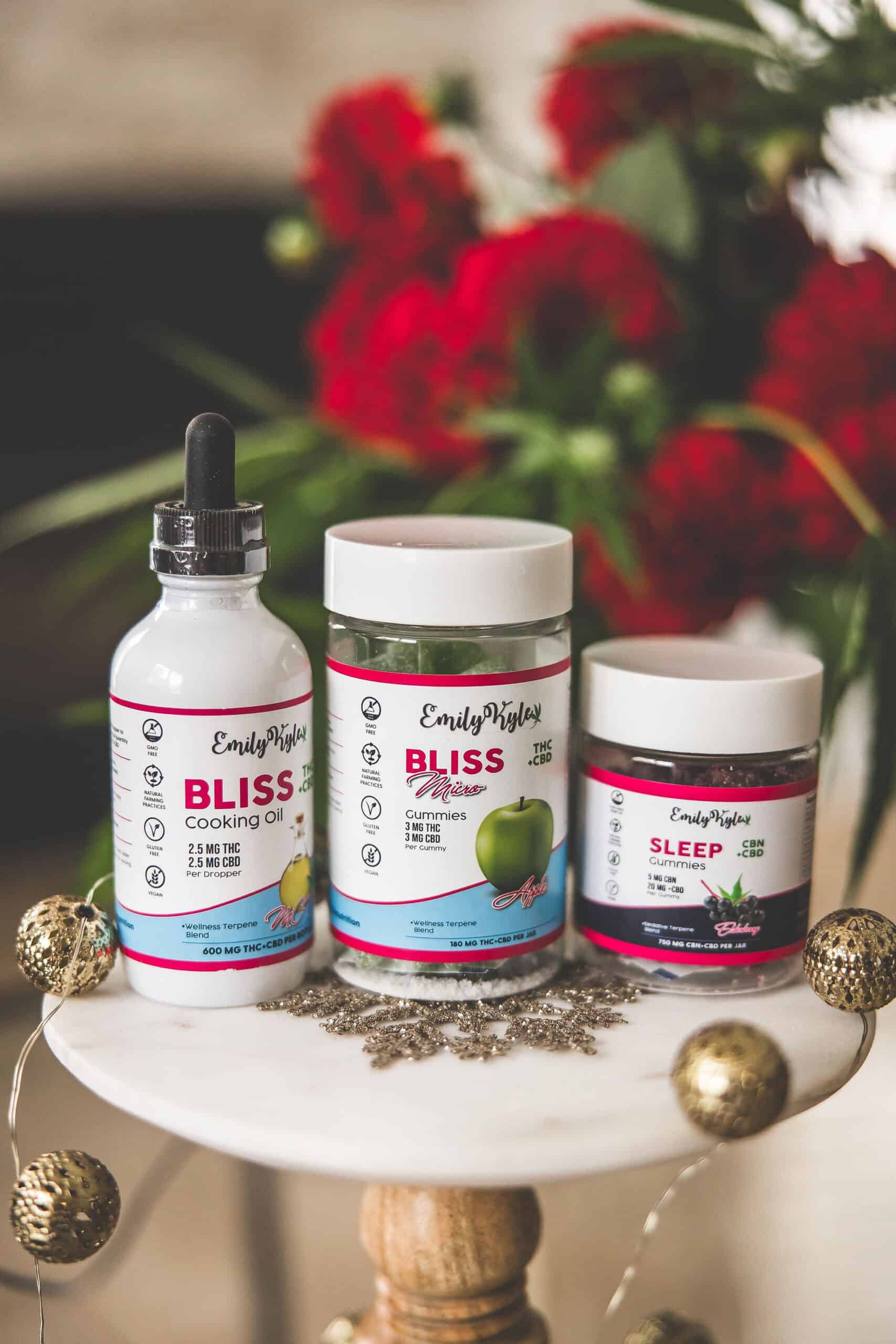
Table of Contents
Last updated: September 4, 2026
The short version
In November 2025, Congress passed a full-year federal funding bill (the FY2026 Agriculture appropriations act) that quietly rewrote the legal definition of “hemp.” That change effectively closes what’s been nicknamed the “farm bill loophole” — the gap that allowed intoxicating hemp-derived products (think delta-8, delta-9 gummies, THC beverages, and similar) to be sold nationwide as long as they stayed under a THC threshold.
That new, tighter definition was set to take effect November 12, 2026. This week, Congress delayed that deadline by 30 days for most products — but did not repeal it. More on that below.
How we got here: the 2018 loophole
To understand why this is such a big deal, it helps to go back to 2018.
Before the 2018 Farm Bill, hemp and marijuana were treated as the same thing under federal law, both were Schedule I controlled substances. The 2018 Farm Bill carved hemp out of that definition, but it only measured delta-9 THC, and only up to 0.3% on a dry-weight basis. It didn’t account for other cannabinoids or manufacturing methods.
That narrow definition created an opening: as long as a product’s delta-9 THC stayed under 0.3%, it could legally be sold as “hemp” — even if it contained meaningful amounts of other intoxicating cannabinoids, or was infused with concentrated hemp-derived THC to be functionally just as strong as a marijuana product.
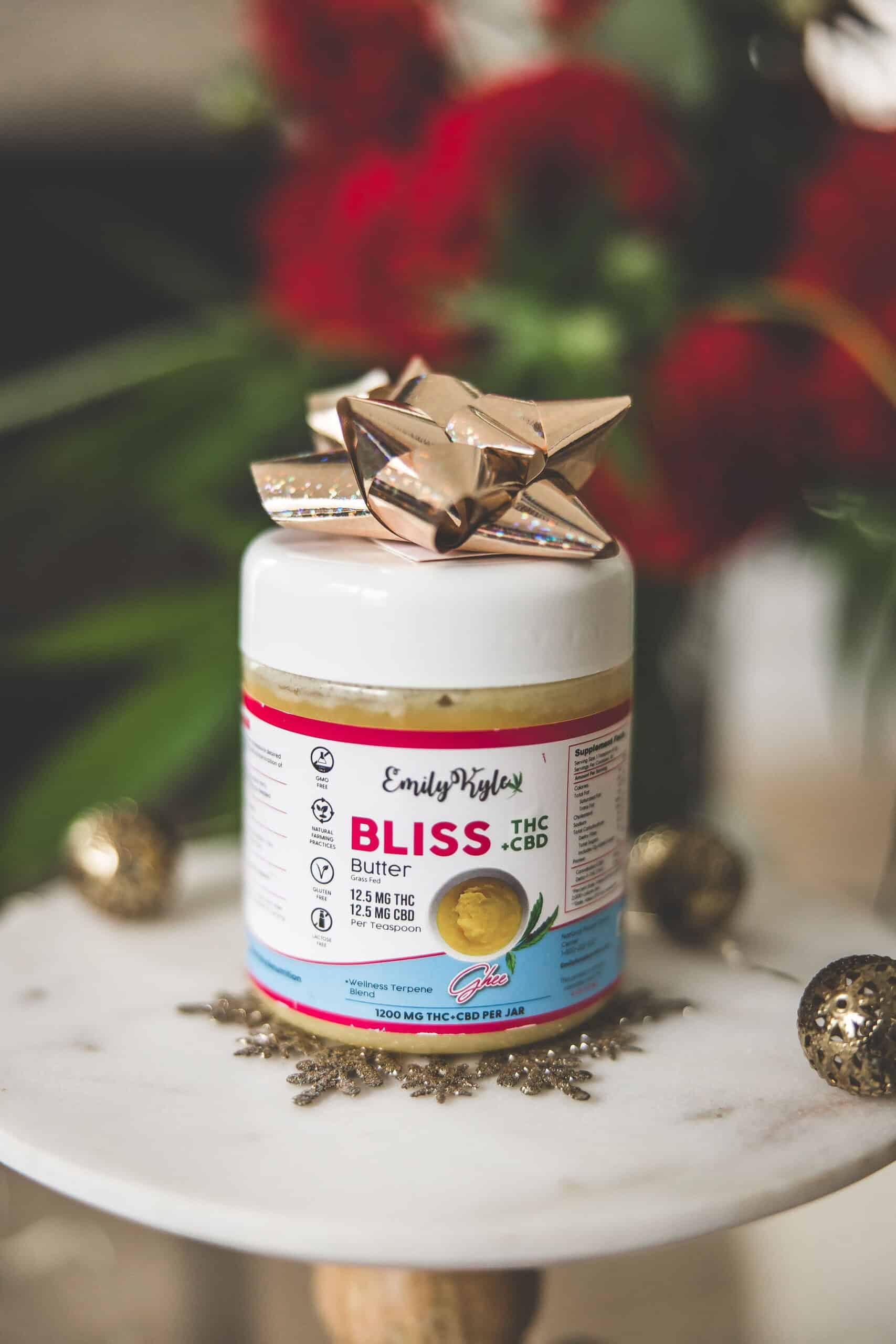
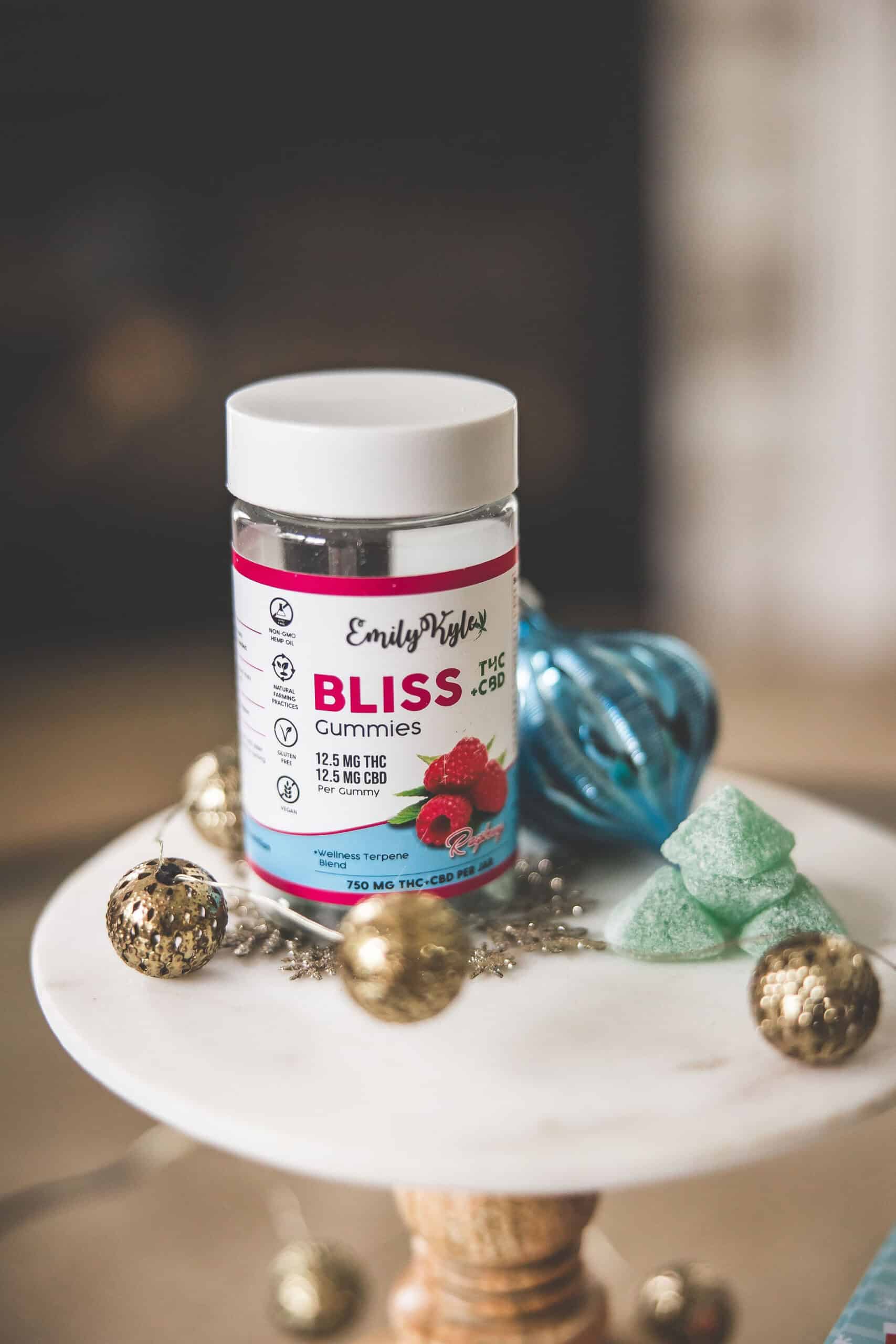
That’s the loophole that gave rise to the entire hemp-derived gummy, beverage, and vape market over the last several years, including products I’ve sold.
What actually changed in November 2025
Under the new law (P.L. 119-37, signed November 12, 2025), the definition of hemp changes from “under 0.3% delta-9 THC” to under 0.3% total THC on a dry-weight basis — a much stricter standard that accounts for all forms of THC, not just delta-9. It also explicitly excludes:
- Seeds from a cannabis plant exceeding 0.3% total THC
- Intermediate hemp-derived products with more than 0.3% total THC
- Finished hemp-derived products containing more than 0.4 milligrams of THC per container
- Cannabinoids that don’t occur naturally in the cannabis plant, or that were synthesized/manufactured outside the plant, even if they can occur naturally
That 0.4 mg-per-container threshold is the one that really matters for small business owners like me, it’s an extremely low bar, and it’s the line that determines whether a finished product can legally be sold as hemp at all going forward.
Congress’s stated reasoning (via the Senate Appropriations Committee) was to stop the “unregulated sale of intoxicating” hemp products, following years of warnings from the FDA and health professionals about how these products were being marketed and sold — sometimes in packaging that looked a lot like snack foods, and sometimes accessible to kids.
What this means for my business
Product sales — mainly through Bliss — have been a large revenue line in my business. Once I understood where this law was heading, I made a few calls:
- I stopped bringing in new inventory and started paring the shop down to my biggest sellers.
- I moved to a made-to-order model. Instead of me pre-buying inventory, customer orders now trigger a weekly order to my supplier, so I’m never carrying product I might not be able to sell.
- I sent my list an honest heads-up in August, giving folks a window to stock up on favorites before things change, while making clear that the recipes, courses, community, and the Well With Cannabis app are not going anywhere.
That announcement, if I’m honest, drove one of the biggest sales weekends I’ve had in awhile. Bittersweet, but it confirmed people want to stock up while they still can.
The bigger picture: I still don’t know exactly how the new definition lands on every individual SKU, but it’s clear the shop won’t look the way it does today.
This is the single biggest risk facing the business right now, and it’s a big part of why I’ve been rethinking what Emily Kyle actually offers going forward.
What doesn’t change
- My content, recipes, and education — none of that is going anywhere.
- My social medial – I will stay active on Facebook and Instagram
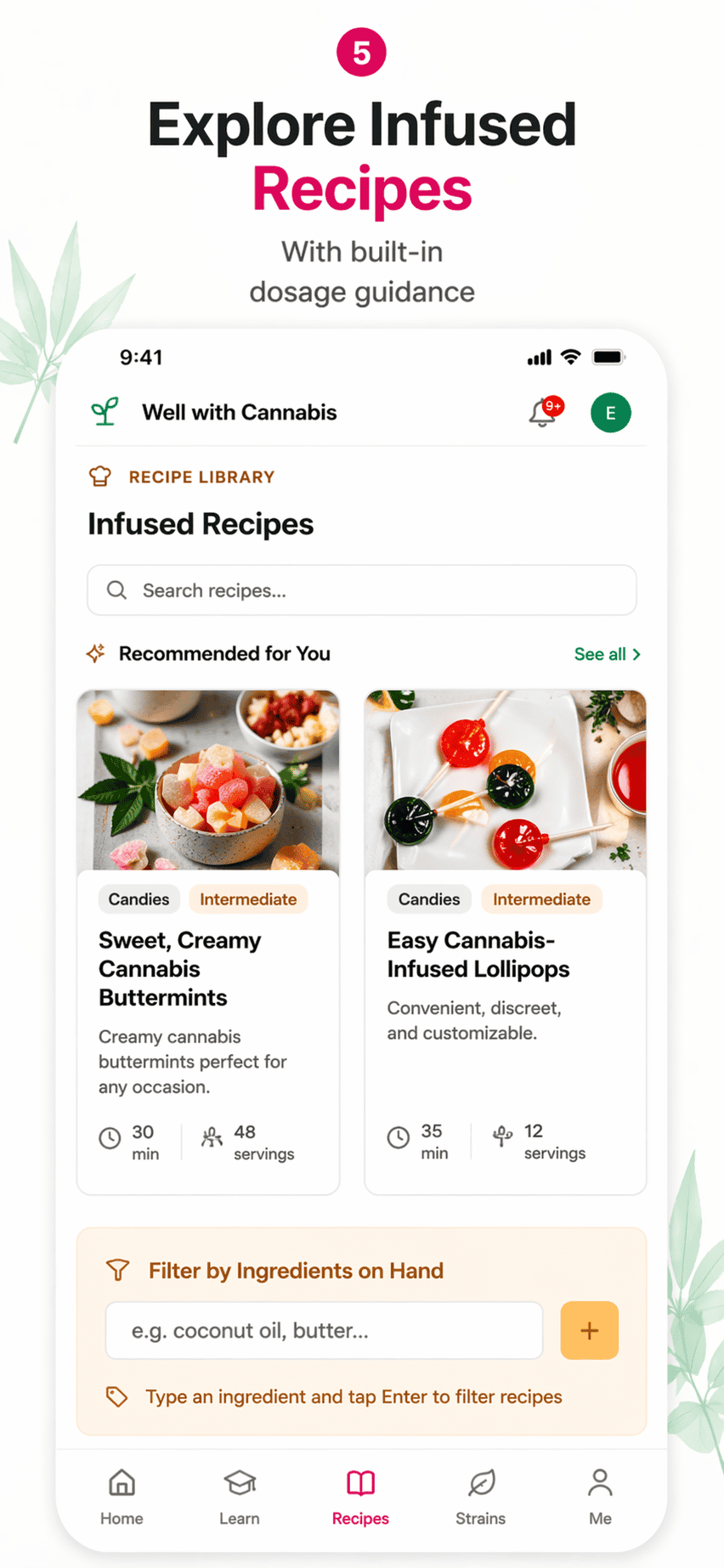
- The Well With Cannabis app — still a core part of the business and unaffected by this.
Update (September 4, 2026): Congress just delayed the deadline — by one month
As of this week, there’s a real update to share. Congress approved a short-term government funding bill (H.R. 6500, the Continuing Appropriations and Extensions Act, 2027) that delays most of these hemp restrictions by 30 days — pushing the effective date from November 12, 2026 to December 11, 2026. It passed the House 370–48 on September 1, following Senate approval, and now heads to the president’s desk.
A few things worth knowing about this delay:
- It’s not a repeal. The restrictions themselves are unchanged — Congress just bought itself (and the industry) one more month to figure out a longer-term fix.
- It’s narrow. Products containing synthetic cannabinoids (ones that can’t naturally occur in the cannabis plant) are not covered by the delay — those are still on the original November 12, 2026 timeline.
- There’s real legislative activity behind the scenes. A bipartisan bill — the Lawful Hemp Protection Act (Reps. Andy Barr and Angie Craig) — would replace the current restrictions with an actual regulatory framework covering testing, labeling, age limits, and marketing rules, rather than an outright ban. Other proposals would repeal the 2025 changes entirely, delay them further, or single out specific categories like hemp beverages. December 11 is shaping up to be the next real flashpoint.
- State law still applies regardless of what happens federally. Many states already regulate or restrict intoxicating hemp products on their own, so this federal delay doesn’t undo any of that.
What this means for me practically: it doesn’t change my plan. I’ve already shifted Bliss to made-to-order and pared inventory down, and that decision holds regardless of whether the cutoff is November or December.
If anything, the extra month gives a little more breathing room, but I’m treating it exactly like the law firms covering this are advising their clients to: a short reprieve to keep preparing, not a resolution.
I’ll keep updating this post as the December 11 deadline gets closer and as Congress (hopefully) moves toward an actual regulatory framework instead of a blanket restriction.
This post is for informational purposes and reflects my understanding of the law as of the date above — it isn’t legal advice. If you have questions about how this affects your own hemp or cannabis business, talk to a cannabis attorney.
Sources:
- Congressional Research Service, “Change to Federal Definition of Hemp and Implications for Federal Enforcement”, IN12620, published 12/03/2025
- Akerman LLP via JD Supra, “Congress Approves One-Month Delay of Federal Hemp THC Restrictions”, September 3, 2026
- Saul Ewing LLP, “Congress Enacts Hemp THC Products Ban — What the New Federal Restrictions Mean for the Industry” (referenced but not directly quoted — see note below)










I’m sticking with you on this Emily! We need all the advocates we can get.
Thank you, Lance! We need all the voices we can get.