
You’re standing at your plant with a magnifier in hand, and every website, video, and neighbor seems to give you a different answer about when to harvest. Take a breath, because the answer is simpler than it seems, and it’s written right there on your buds in tiny crystal-like trichomes. In this guide, I’ll show you how to read trichome colors, share the exact rule I use for my own harvest, and help you choose the right time for how you want to feel.
Table of Contents
Why You’ll Love This Guide
You’ve cared for your plant all season, and now the biggest decision is right in front of you: when to cut and harvest. It’s completely normal to feel nervous, especially if this is your first harvest.
This guide cuts through the confusion with one simple method: reading your trichomes. I’ll show you exactly where to look, what each color means, and the easy rule I use for my own harvest every year.
You’ll also learn how to time your harvest for how you want to feel. Want clear-headed daytime medicine, restful evening medicine, or a little of both? Here’s how to get it, plus when the weather should make the call for you if you’re growing outdoors.
By the end, you’ll feel confident walking out to your garden, loupe in hand, and knowing it’s time. Let’s get started!
Start With the Calendar
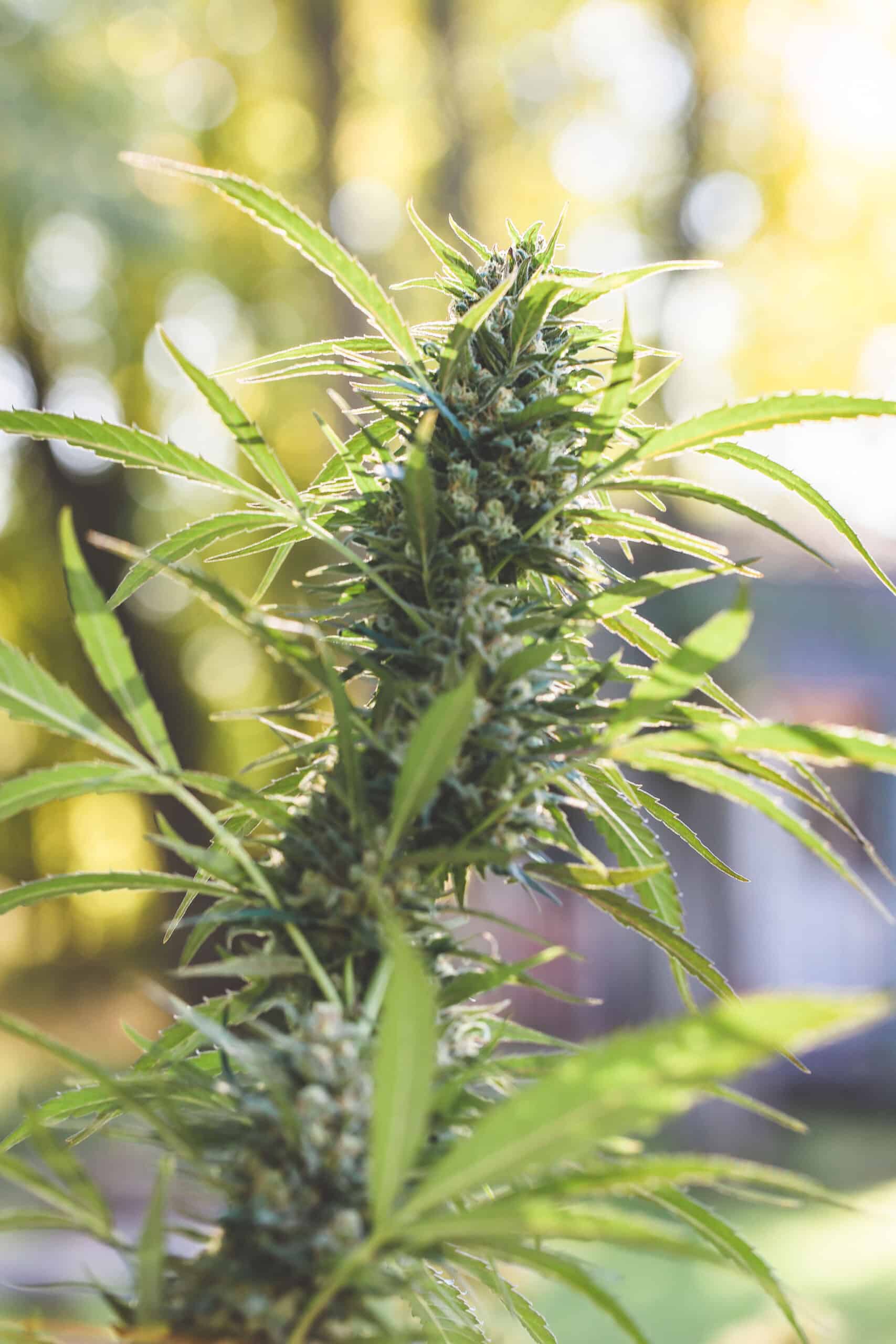
Before you grab your loupe, it helps to know roughly when to start looking.
- Autoflowers are usually ready about 8 to 10 weeks from seed.
- Photoperiod plants grown outdoors are usually ready from late September into October.
The date on your seed packet is just a starting point. As it gets close, start checking your trichomes every few days and let them make the final call.
Not sure which type you’re growing? Here’s my guide to autoflowers vs. photoperiods.
What Are Trichomes?
Trichomes are the tiny, sparkly glands that cover your buds and the small sugar leaves around them.
They’re where your plant makes and stores its cannabinoids, like THC and CBD, and its terpenes, the compounds behind its aroma and flavor.
How to See Them
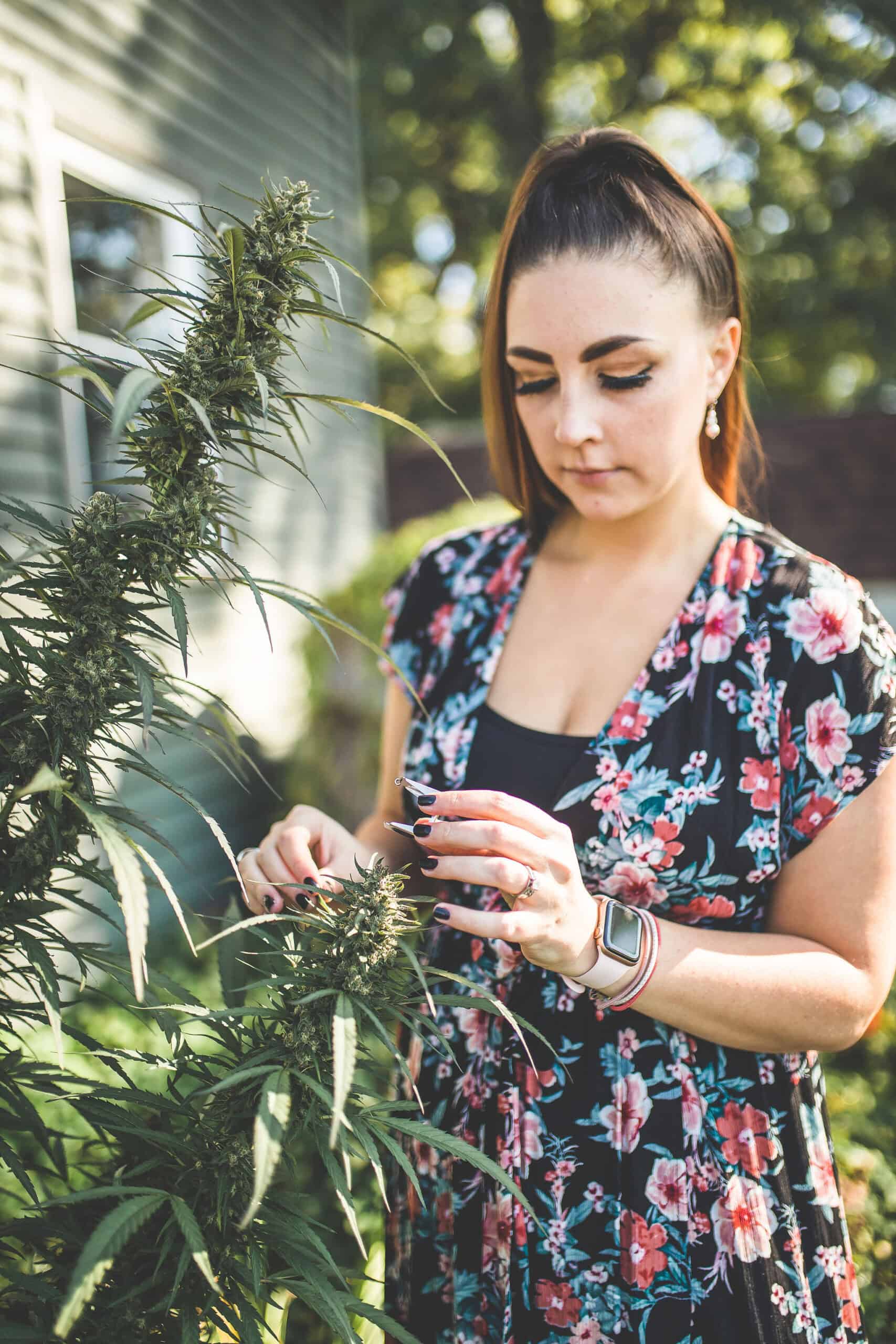
- A jeweler’s loupe (about 30x to 60x magnification). It’s inexpensive and it’s my favorite harvest tool. You can get an inexpensive one on Amazon for. Find more options in my harvest tools list.
- Or your phone. A clip-on macro lens lets you take close-up photos you can zoom in on.
- Good natural light. Midday is easiest.
Where to Look
This is where many first-timers get tripped up. Check the trichomes on the buds themselves, not on the sugar leaves.
Trichomes on sugar leaves often turn amber sooner, which can make you think your plant is further along than it really is.
- Check several buds, from the top of the plant and lower down. Top buds usually ripen first.
- Hold the loupe right up to your eye, then bring the bud toward you until it comes into focus.
- Look at a few spots on each bud and get a feel for the overall mix of colors.
New to plant parts like buds, sugar leaves, and pistils? My guide to the female cannabis plant walks you through each one.
How to Read Trichome Colors
Reading trichome colors simply means looking closely at those tiny crystals and noticing what color most of them are. As your plant matures, its trichomes slowly change color, and that change is one of the best clues you have for how ready your buds are.
Think of it a little like watching fruit ripen. Early on, trichomes are clear because they’re still filling up with cannabinoids and terpenes. As they reach their peak, they turn milky and cloudy.
As they age past that point, they start turning amber, or golden, and some of the THC begins to break down. You won’t see just one color at a time. Every bud has a mix, so you’re looking for the overall picture.
Is it mostly clear? Mostly cloudy with a few amber? Getting noticeably golden? That rough mix is all you need. There’s no need to count or measure anything exactly.
Here’s what each stage looks like and what it means for your harvest:
- Clear: Not ready yet. Clear, glassy trichomes mean your plant is still developing. Harvesting now usually means lower potency, so be patient and check again in a few days.
- Cloudy: Peak time. When trichomes turn milky white, your plant is at or near its peak. Many people describe a mostly cloudy harvest as more uplifting and clear-headed. This is my sweet spot.
- Amber: Aging and more relaxing. Over time, cloudy trichomes begin turning amber, or golden. As they age, some of the THC slowly breaks down. Many people find that a harvest with more amber feels heavier, more relaxing, and better suited for evenings and sleep.
Now here’s how to use these stages to time your harvest.
Harvest for How You Want to Feel
- For daytime, clear-headed use: Mostly cloudy, very little amber. This is what I do so I can stay focused and get on with my day.
- For evening, rest, and sleep: Wait a bit longer, until you see more amber mixed in with the cloudy.
- For a little of both: Harvest in stages. Take your top buds when they hit your target, then let the lower buds ripen for another week or so. Label your jars so you know which is which.
A note from the dietitian: The research on trichome color and how it feels is still limited, and most of what we know comes from growers’ experience. Your plant’s genetics play a big role, too. Use trichome color as a guide, notice how your harvest makes you feel, and adjust next year.
My Harvest Preference
One of the most beautiful parts of growing your own is that you get to decide. There’s no single “perfect” harvest day. The right time depends on what you want from your plant, and once you know how to read your trichomes, you’re in control.
Here’s what I do: I harvest when my trichomes are mostly cloudy, with very little amber.
I’m a busy professional running a business, and I use my harvest during the day. I need to feel clear-headed, focused, and like myself, not heavy or sleepy. Harvesting at mostly cloudy gives me exactly that.
Pistils: A Helpful Backup
Pistils are the little hairs on your buds. Early on, they’re white and stick straight out. As your plant matures, they turn orange or brown and curl in toward the bud. When most of them have changed color, harvest is getting close.
Pistils are a great first clue, but they’re less reliable than trichomes because weather and handling can darken them early. Use them to know when to start checking, and let your trichomes make the final call.
When the Weather Makes the Call
Sometimes your plant isn’t the one who decides. If frost is on the way, or the forecast shows a long stretch of rain, it’s often better to harvest a little early than to risk losing your buds. If your trichomes are mostly cloudy, you’re in great shape to harvest.
Rain and cool nights are exactly when mold shows up, so check your buds closely. Here’s how to spot bud rot and powdery mildew.
Your Quick Harvest Checklist
- Most pistils have turned orange or brown and curled in
- You checked trichomes on the buds, not the sugar leaves
- You checked several buds, top and bottom
- The trichome mix matches how you want to feel
- You’ve looked over your buds for any signs of mold
All set? My step-by-step guide on how to harvest outdoor cannabis plants walks you through harvest day.
Frequently Asked Questions
It varies by plant and weather, but it’s often about one to two weeks. Once you see mostly cloudy trichomes, check every couple of days so you don’t miss your window.
Harvest timing is your main lever. Drying and curing protect the quality of what you harvested, so choose your timing based on how you want to feel. Here’s how I cure and store my harvest.
That’s okay. A mostly cloudy harvest is a wonderful harvest. If cold weather or rain is coming, don’t wait for amber that may never arrive.
Yes. A clip-on macro lens works well, and taking photos lets you zoom in and compare buds from day to day.
The Bottom Line
Look at the trichomes on your buds, not your sugar leaves. Harvest when the mix matches how you want to feel. For me, that’s mostly cloudy with very little amber, so I stay clear-headed and focused for my busy days.
Trust yourself, take notes, and let each harvest teach you something for the next one.
Ready for more? You’ll find everything else you need in my harvest guide hub. Happy Harvest Season!
More Guides You Will Love

Harvesting Cannabis
How to Cure and Store Cannabis: Simple Mason Jar Method
Harvesting Cannabis
The Cannabis Bouquet: A Two-in-One Use for Your Trimmings
Harvesting Cannabis
How to Harvest, Wash & Prepare Cannabis Fan Leaves
Harvesting Cannabis