

Quick answer: fan leaves are the big leaves with few trichomes, best used raw for everyday nutrition in smoothies, salads and juice. Sugar leaves are the small frosty leaves around the buds, best saved for infused oils, butters and other homemade medicine because they carry more cannabinoids.
You’re standing over a pile of leaves after trimming, wondering what’s actually worth saving. The big fan leaves and the little frosty sugar leaves look like the same thing, but they do very different jobs in your kitchen and your medicine cabinet. As a registered dietitian who has grown this plant for years, I’ll walk you through the difference so you know exactly what to keep and how to use it.
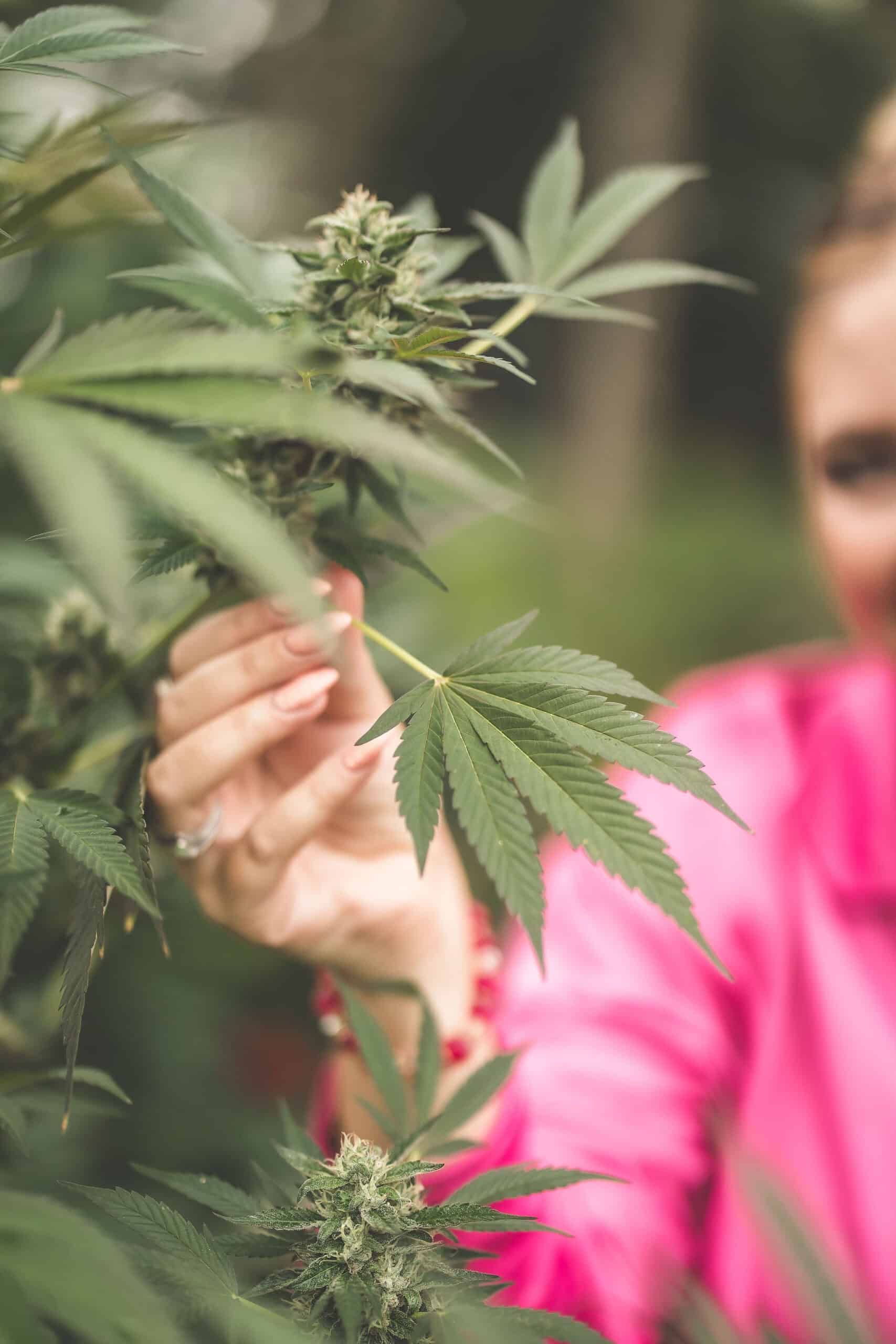
Table of Contents
- Why You’ll Love This Guide
- What Are Fan Leaves?
- What Are Sugar Leaves?
- The Potency Difference
- When to Use Fan Leaves
- When to Use Sugar Leaves
- The Flavor Is Real
- Growing and Harvesting Considerations
- How to Use Each Type
- Storage and Shelf Life
- FAQ: Fan Leaves vs Sugar Leaves
- The Bottom Line
- More Guides You Will Love
Why You’ll Love This Guide
Harvest day leaves you with so much more than buds. You end up with a pile of big fan leaves and a tray of sticky little sugar leaves, and it’s hard to know what’s worth keeping and what belongs in the compost.
When I grew my first plant from a random seed back in 2019, my biggest mistake was not doing my research.
Later, I learned the old tradition of tossing all the trim into the crockpot and soaking it for 24 hours to make the greenest butter possible. I don’t make it that way anymore, because each kind of leaf has a job it does best.
This guide shows you how to tell fan leaves and sugar leaves apart, which one to use for everyday nutrition, which one to save for your medicine, and how to store both so nothing goes to waste. Let’s get started!
What Are Fan Leaves?
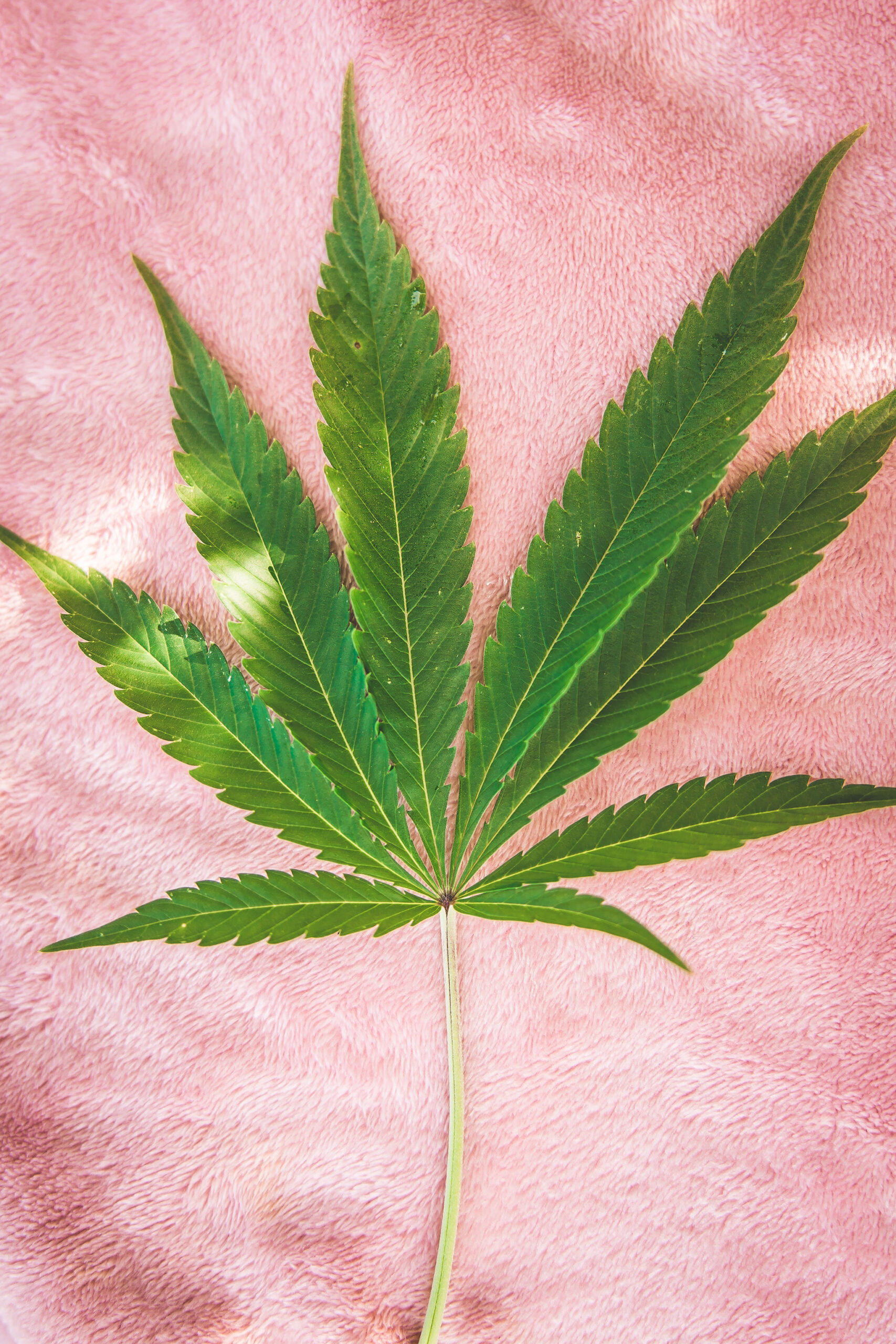
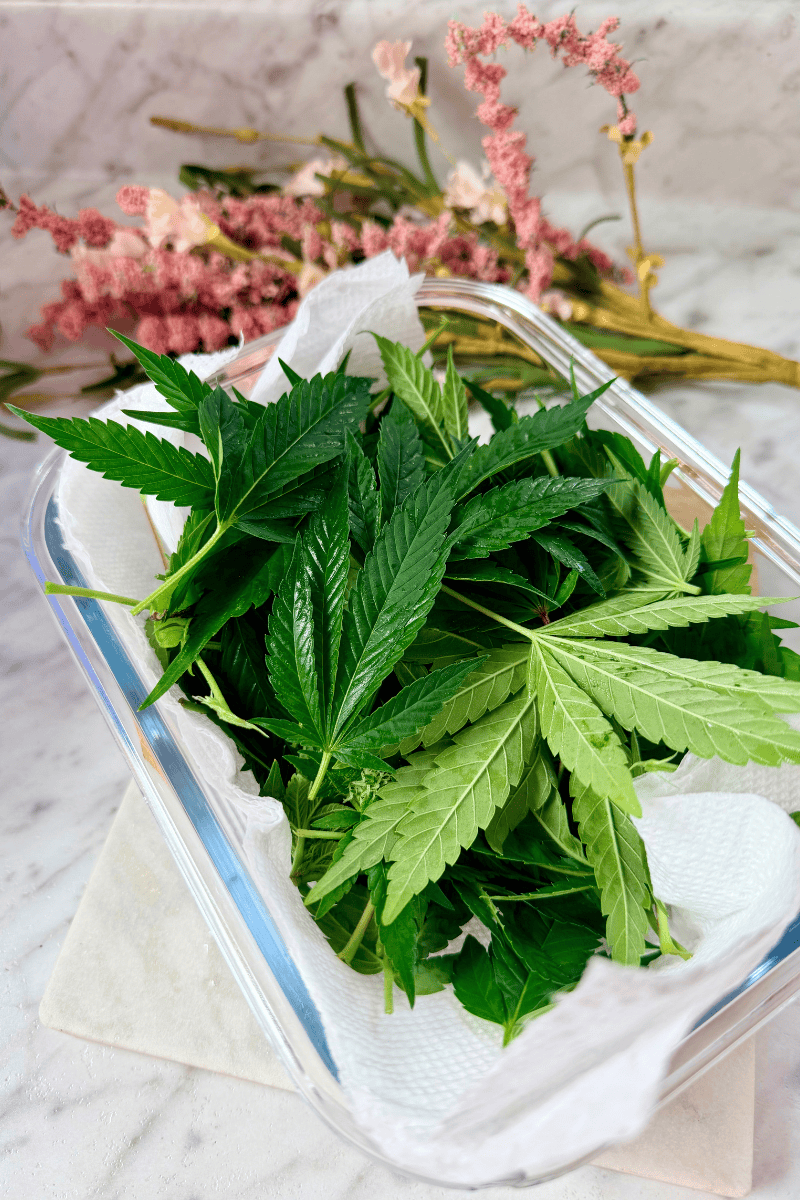
Fan leaves are the big, iconic cannabis leaves you see in photos. They’re the broad, palm-shaped leaves that grow from the main stem and branches.
These are the leaves that catch sunlight and do most of the plant’s photosynthesis work. They’re sturdy, nutrient-dense, and absolutely worth using.
What Are Sugar Leaves?
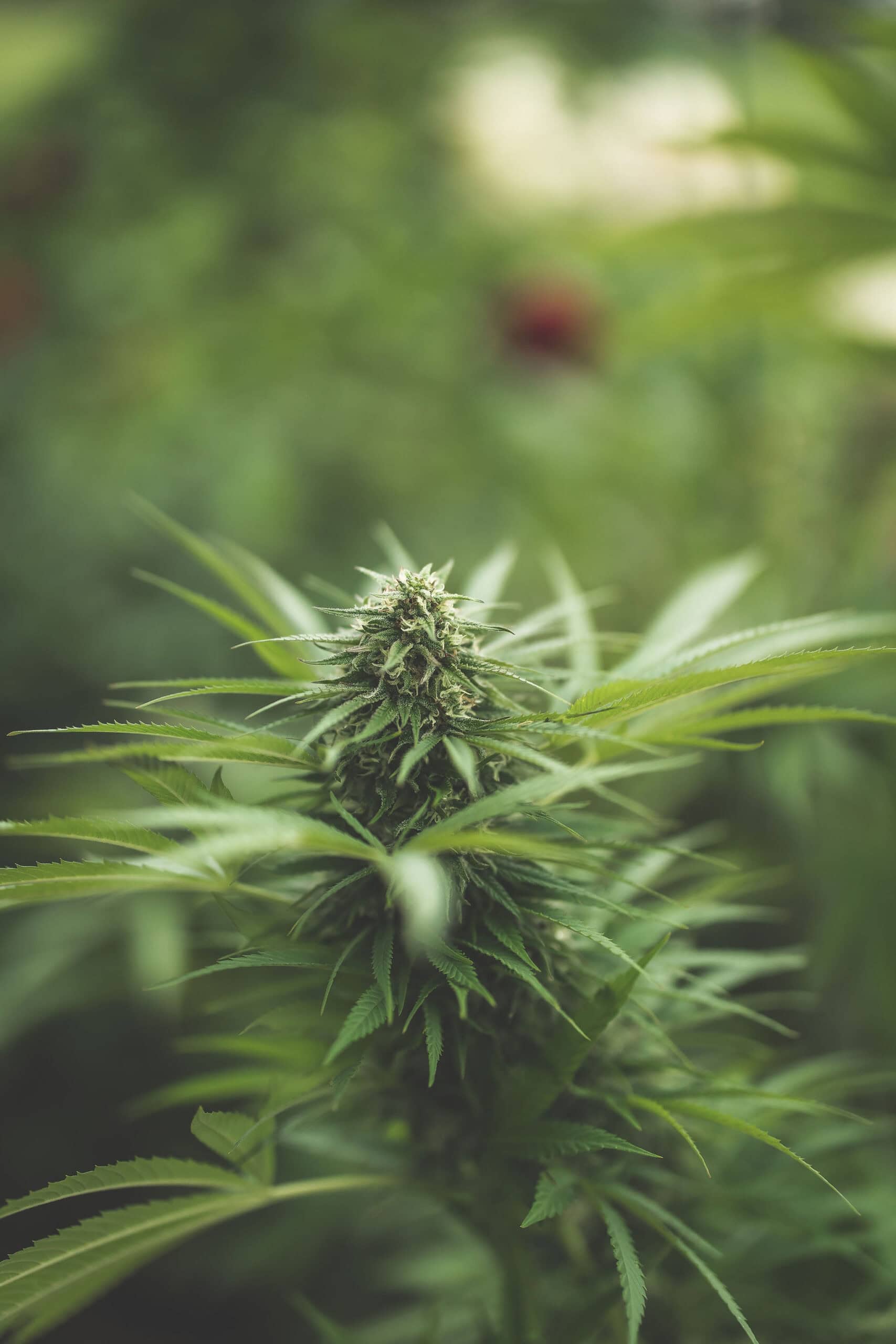
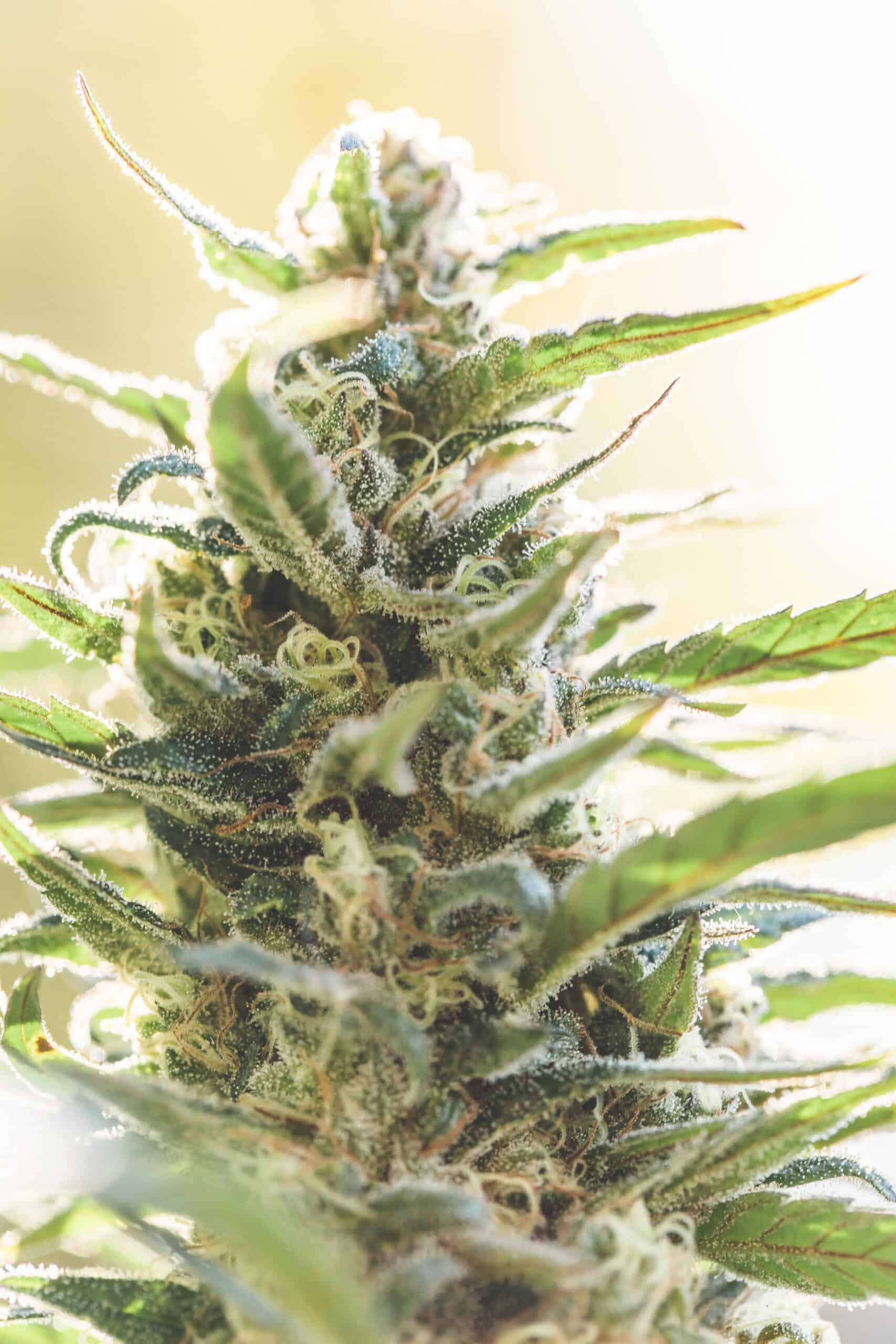
Sugar leaves are the small leaves that grow right around the buds and flowering sites.
They’re called “sugar leaves” because they’re covered in trichomes, those sparkly, crystal-like structures that contain cannabinoids and terpenes. They look like they’ve been dusted with sugar.
The Potency Difference
This is the key distinction: sugar leaves are more potent than fan leaves because they’re covered in trichomes, which contain concentrated cannabinoids and terpenes.
Fan leaves have far fewer trichomes, so they contain only small amounts of cannabinoids. They’re still incredibly nutritious, packed with vitamins, minerals, chlorophyll, and plant compounds. But they’re milder.
Sugar leaves pack more cannabinoids into a smaller amount of plant material. If you’re looking for concentrated CBDA and THCA, sugar leaves are your choice.
Will raw leaves get you high?
No. Raw leaves contain THCA and CBDA, the acid forms of THC and CBD, and they are not intoxicating. That’s why you can blend fan leaves into a smoothie and go about your day.
Heat is what changes things. When leaves are heated, like when you decarb them or make an infused oil or butter, THCA converts to THC, and that’s when you’ll feel the effects.
Sugar leaves carry more of these compounds, so anything you heat with them will be stronger. Hot tea converts some too, so start with a small cup.
When to Use Fan Leaves
Use fan leaves when:
- You want to consume a larger volume of plant material (they’re less intense, so you can eat more)
- You’re making juice, smoothies, or salads (the milder flavor works better in these applications)
- You want general nutrition and wellness support without as concentrated a dose
- You’re new to cannabis nutrition and want to start gentle
- You’re using leaves as a staple ingredient in your daily routine (like adding to smoothies every day)
Fan leaves are the everyday leaf. They’re what I use most often because I can consume them regularly without needing to worry about dose intensity.
Curious about the nutrition side? Read my full breakdown of raw cannabis nutrition, then try my raw cannabis juice.
When to Use Sugar Leaves
Use sugar leaves when:
- You’re specifically targeting cannabinoid support for a health goal
- You want a more concentrated dose in a smaller amount
- You’re making medicine-focused preparations (not just food)
- You have experience with cannabis and understand dosing
- You want maximum trichome content
Sugar leaves are the medicine leaf. Use them intentionally and with awareness of potency.
Ready to turn your sugar leaves into medicine? My guide on using trim to make edibles shows you how.
The Flavor Is Real
Fan leaves have a mild, earthy, slightly grassy flavor. They blend well into smoothies and work beautifully in salads. Many people don’t even notice they’re in there.
If you’re sensitive to taste, you might to skip the fan leaves and just put them in your bouquet. If you like the cannabis taste, sugar leaves deliver it in a smaller dose.
Growing and Harvesting Considerations
If you’re growing your own (which I highly recommend), here’s what you need to know:
Fan leaves grow throughout the plant’s life and are ready to harvest anytime. I typically harvest them during the vegetative stage when the plant is still growing, or mid-season during flowering.
Your plant keeps growing new fan leaves all season, so you can pick a few at a time without hurting it. Just never take more than a few from any one branch.
Sugar leaves only develop once the plant starts flowering and buds begin to form. You harvest them at the end of the flowering cycle, right around when you’d harvest buds. Once harvested, they don’t regrow. That harvest cycle is done.
Harvesting soon? Here’s my step-by-step guide to harvesting outdoor plants.
How to Use Each Type
Fan Leaves:
- Raw in salads (mild flavor, tender texture when young)
- Blended into smoothies (pairs well with fruits)
- Juiced for concentrated nutrition (1-2 ounces per juice)
- Made into pesto (delicious and versatile)
- Steeped into tea (gentle, nourishing)
Sugar Leaves:
- Juiced for concentrated cannabinoid support (smaller amount needed)
- Made into infused oils or butters (for edible preparations)
- Dried and steeped into tea (strong flavor, potent)
- Added to smoothies in small amounts (flavor is intense)

Storage and Shelf Life
Fan leaves keep in the refrigerator for about a week when stored like lettuce (in a container or bag, cold and not damp). You can also freeze them for longer storage.
Sugar leaves are best used fresh but can also be dried and stored in an airtight container for months.
FAQ: Fan Leaves vs Sugar Leaves
Absolutely. You can combine them. Just remember that sugar leaves are more potent, so use less of them.
Fan leaves. They’re milder, easier to work with, and more forgiving. Start with fan leaves and move to sugar leaves once you’re comfortable.
They have more concentrated cannabinoids, but in terms of vitamins and minerals, both are nutrient-dense. The difference is potency, not overall nutrition.
Yes, if your plant was grown organically, without synthetic pesticides. Wash them well first, just like you would any leafy green. My guide on How to Harvest, Wash & Prepare Fan Leaves walks you through every step.
Fresh has higher CBDA content. Dried loses some of that potency but is more shelf-stable. Use fresh when you can.
The leaves I’ve mentioned (fan and sugar) are the main ones. There are very small leaves on the buds, but those are basically just sugar leaves in miniature.
The Bottom Line
Both fan leaves and sugar leaves are valuable. Fan leaves are your everyday nutrition tool, mild, versatile, and perfect for regular use. Sugar leaves are your concentrated option, more potent and perfect when you want a stronger dose.
Knowing the difference helps you choose exactly what you need for your goals.
More Guides You Will Love
Articles & How-To Guides
How to Use Cannabis Fan Leaves in Edibles
Harvesting Cannabis
How to Harvest, Wash & Prepare Cannabis Fan Leaves

Articles & How-To Guides
How To Use Trim To Make Edibles, Cannabutter, and More

Harvesting Cannabis