

Are you dreaming of a world where the relief you’ve been seeking for your muscle aches, skin irritations, or general discomfort lies in your own hands, literally? Cannabis topicals like balms, salves, and lotions may help relieve pain and anxiety, have a quick onset time, and produce very few intoxicating effects. Read on to discover eight reasons to try cannabis topicals to benefit your skin.
Table of Contents
- Article Features
- Why You Will Love This Guide
- How Topicals Benefit The Skin
- Potential Benefits of Topicals
- #1 – Pain Relief
- # 2 – Anxiety and Depression
- # 3 – Cancer-Related Symptoms
- #4 – Neurological Disorders
- #5 – Improve Aging Skin
- #6 – Alleviate Psoriasis
- #7 – A Solution for Acne
- #8 – Moisturize The Skin
- Shop For Topicals
- Make Cannabis Topicals At Home
- Conclusion
- More Articles You Will Love
Article Features
- Why cannabis works on the skin
- The eight main benefits for skincare
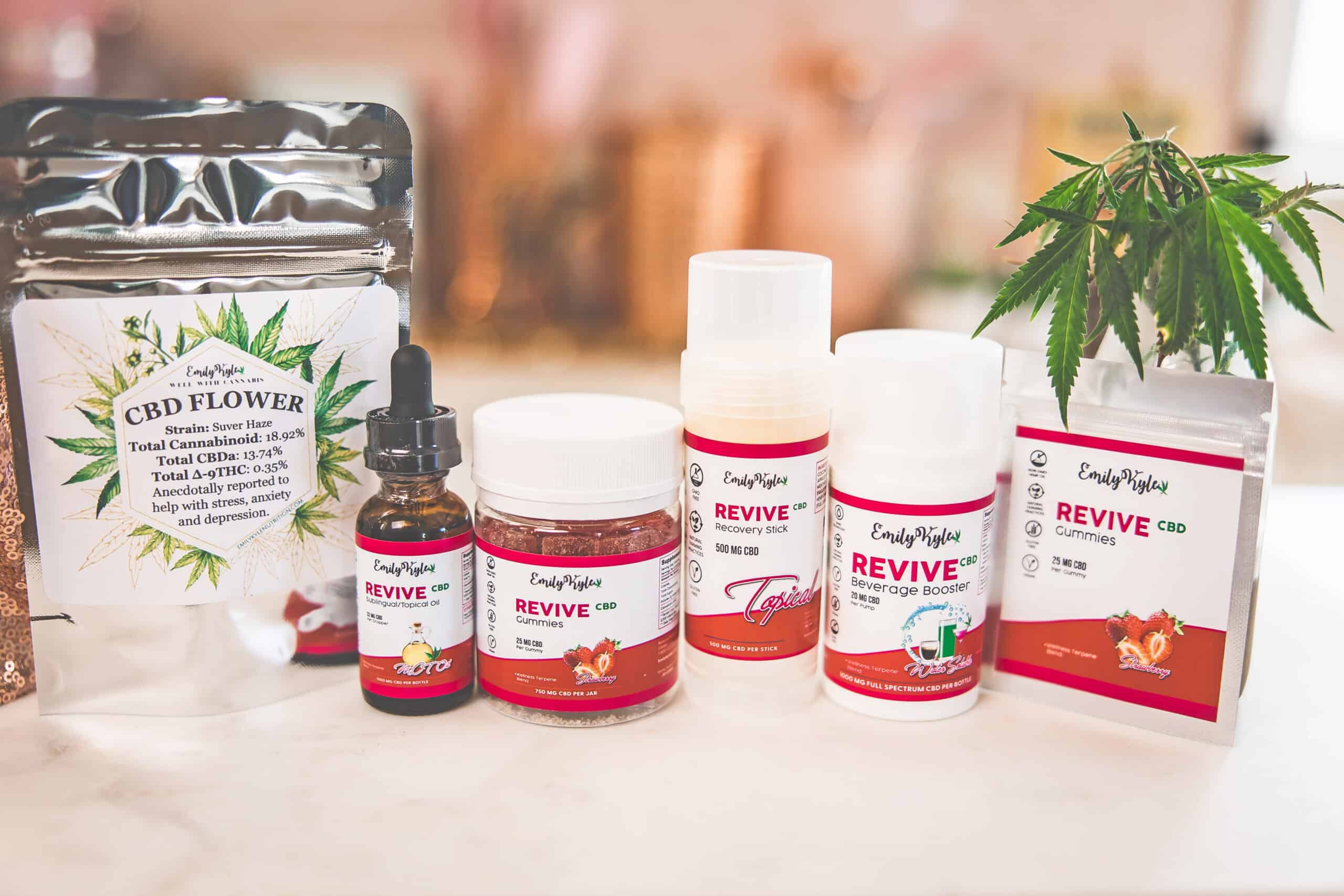
- Want to make it easy? Skip the hard work and have my high-quality cannabis topicals delivered directly to your doorstep. Now shipping across the US!
Why You Will Love This Guide
I remember the first time I considered putting cannabis on my skin. Honestly, I was skeptical. I was so used to thinking of cannabis as something you inhale or eat.
The idea that a lotion or balm could actually do anything seemed a bit far-fetched. But then I dealt with a persistent localized pain in my shoulder that just wouldn’t quit, and I didn’t want the “high” that came with smoking or edibles during the middle of my workday.
I gave a cannabis salve a try, and it was a total lightbulb moment for me. The relief was targeted, effective, and best of all, I felt completely clear-headed.
Since then, topicals have become a staple in my wellness routine, and I love sharing this discovery with my community because it is such an accessible entry point into the world of cannabis.
If you have walked down the aisles of your local pharmacy or health food store lately, you have probably seen CBD creams and lotions everywhere. But cannabis topicals go far beyond just what you see on those shelves.
A cannabis topical is defined as any cannabis-infused product applied directly to the skin to treat localized discomfort. We are talking about balms, salves, lip balms, face serums, vapor rub, and even personal lubricants.
I wrote this guide because so many members of my Well With Cannabis Community are looking for relief but are hesitant about the psychoactive effects of THC.
I want to show you that you can harness the plant’s power in a way that feels safe, approachable, and incredibly effective. Whether you want to buy a high-quality product or whip up your own jar of magic at home, I’m here to walk you through why topicals might just be the solution you’ve been looking for.
How Topicals Benefit The Skin
It turns out, using cannabis on the skin isn’t a new trend, it has roots in ancient medicine for treating wounds and infections.
Historically, ancient Chinese medicine used cannabis topicals to treat skin ulcers, fungal infections, wounds, and more1.
But why does it actually work?
Here is the simple science: Your skin is packed with cannabinoid receptors (specifically CB2 receptors) which are part of your body’s endocannabinoid system.
the cannabinoids (like THC, CBD, or THCA)
When you apply a cannabis balm, cannabinoids like delta-9 THC, delta-8 THC, THCA, and THCV bind to these receptors right where you apply them, exerting anti-inflammatory effects when applied topically1.
Anti-bacterial activity is found in CBD, CBG, and their acid forms CBDA and CBGA2.
Instead of traveling through your bloodstream to your brain, they get to work locally, helping to reduce inflammation and soothe pain signals right at the source. It’s like giving your skin a direct line of communication to relief.
Cannabis topicals have been scientifically proven to help treat a variety of skin conditions including:
- Acne
- Contact dermatitis
- Atopic dermatitis
- Pruritus
- Psoriasis
- Skin cancer
Anecdotally, members of my community report they have experienced topical relief from:
- Arthritis
- Skin conditions like eczema
- Fungal infections
- Other skin ailments like cuts and scrapes
- Bug bites
Topicals Won’t Get You High
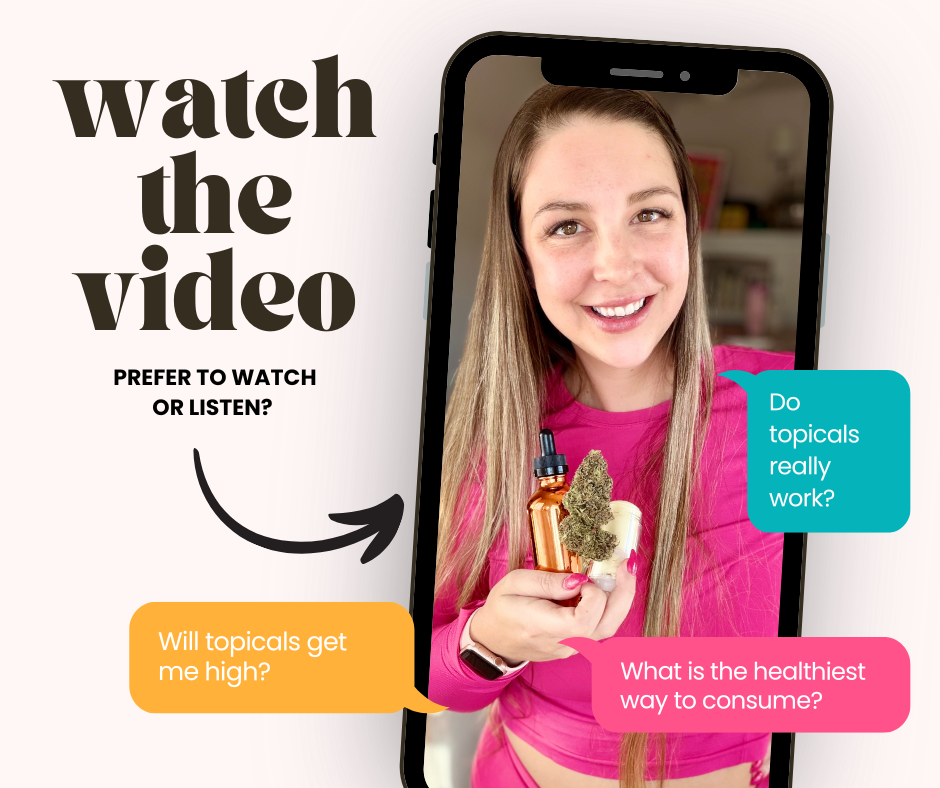
This is the number one question I get, and it was my biggest concern when I started, too. Will topicals get me high?
The answer is generally no.
When you apply THC or CBD lotions to your skin, they penetrate the epidermis (the top layers of skin) and muscles to provide localized relief, but they do not enter your bloodstream in significant enough amounts to reach your brain.
This means you can use a high-THC cream on your sore neck and still drive your car, go to work, and function completely normally.
Note: The only exception here is transdermal patches, which are specifically engineered to push cannabinoids into the bloodstream. But for your standard salves and lotions? You are in the clear.
Topicals Work Quickly
One of the things I love most about topicals is the speed. With edibles, you are often waiting 60 to 90 minutes to feel anything. With topicals, I usually start to feel relief within 15 to 30 minutes.
The effects typically last for 2 to 4 hours, and the best part is that you can reapply as often as you need. There is no risk of “taking too much” like there is with edibles.
An Option for Children
I know this might sound controversial at first, but hear me out. Because topicals are non-intoxicating, they can be a safe, natural option for the whole family.
Many parents in my community use non-intoxicating CBD or low-THC balms on their children for things like bug bites, scrapes, or itchy skin rashes.
It allows you to use the healing properties of the plant without worrying about any psychoactive effects. Of course, this is a personal decision that you should discuss with your healthcare provider, but it is an option worth considering.
Potential Benefits of Topicals
There is a lot of research happening right now, but from what we know (and what I have experienced personally), the potential benefits are vast. Here are eight reasons why you might want to add a jar of cannabis salve to your medicine cabinet.
As reported in Dermatology Online Journal, using cannabis directly on the skin may result in the following positive results:
- Pain relief
- Help for anxiety and depression
- Alleviate cancer-related symptoms
- Reduce symptoms associated with neurological disorders
- Reduce signs of skin aging
- Alleviate psoriasis
- Help with acne
- Moisturize the skin
Lets review each one of these in-depth below.
#1 – Pain Relief
People have long reported that CBD provides pain relief, and scientific studies are beginning to support the theory.
This is the big one. Whether it is arthritis, a stiff neck from staring at the computer, or post-workout soreness, topicals are incredible for targeted pain relief.
As stated by Harvard Health, “CBD may offer an option for treating different types of chronic pain”.
They also mention several specific studies that show the beneficial use of CBD oil for arthritis pain.
Additional studies show CBD may help reduce chronic pain and inflammation when applied topically and ingested.
I personally use a high-THC salve on my joints when they are flaring up. The cannabinoids act as an anti-inflammatory and an analgesic (pain reliever). It doesn’t just mask the pain like some icy-hot creams; it interacts with the receptors to help calm the area down.
# 2 – Anxiety and Depression
Now, you might be wondering, how does putting lotion on my arm help my anxiety?
Cannabis oil applied topically or otherwise, is often used to manage the symptoms of anxiety and depression.
The cannabinoid CBD, cannabidiol, has the most evidence to support its antidepressant and anti-anxiety properties.
While a topical won’t treat anxiety systemically like an oil tincture might, I have found there is a profound benefit in the ritual of self-care.
Taking ten minutes to massage a lavender-infused cannabis body oil into your skin helps ground you. It connects you to your body and forces you to slow down. The act of caring for yourself, combined with the soothing terpenes often found in these products, can be a powerful tool for managing stress.
While there is not yet enough clinical evidence to support the use of topical cannabis to treat anxiety or depression, that doesn’t mean many people don’t use cannabis for this exact reason.
# 3 – Cancer-Related Symptoms
Cancer-related side effects, including nausea, pain, and vomiting, are many times being treated with cannabis. For those undergoing cancer treatments, skin issues and localized pain are common side effects.
Managing cancer-related symptoms is one of the main qualifying conditions for receiving a medical marijuana card.
One study found that cannabis oral sprays containing both CBD and THC are “generally well tolerated, with no evidence of a loss of effect for relieving cancer-related pain with long-term use”.
Many patients find that cannabis topicals help soothe radiation burns or neuropathic pain in hands and feet (tingling and numbness) that traditional painkillers struggle to touch. It offers a gentle, natural layer of comfort during a very difficult time.
#4 – Neurological Disorders
Oral sprays containing CBD, like the prescription medication Sativex, have been used to reduce muscle spasticity and reduce epilepsy seizures in children.
As published in Brain Sciences, they may also prevent neurological degeneration in people with Alzheimer’s, as CBD is a powerful neuroprotectant.
I have spoken with many caretakers who look after loved ones with conditions like Alzheimer’s or dementia. They often use cannabis balms to massage their loved ones’ hands or feet.
It helps reduce muscle spasticity and restlessness without the confusion or drowsiness that oral medications might cause. It is a beautiful way to provide comfort and physical touch to someone you care about.
#5 – Improve Aging Skin
Cannabis plants are packed with antioxidants. Even if you aren’t using cannabinoids, hemp seed oil (which comes from the seeds, not the flowers) is a skincare superhero.
It is believed that hemp seed oil may play a key role in ensuring your skin stays healthy, hydrated, and good-looking.
It is rich in Omega-3 and Omega-6 fatty acids, which nourish the skin barrier. I love using infused face serums because they help fight free radicals and keep my skin looking plump and hydrated, potentially reducing the appearance of fine lines over time.
While hemp seed oil does not contain cannabinoids, producers claim that using hemp seed oil-infused products may still reduce the visible signs of aging due to its anti-inflammatory and antioxidant properties.
#6 – Alleviate Psoriasis
Psoriasis is an autoimmune condition that causes rapid skin cell buildup, resulting in scaly, itchy patches. It is fundamentally an inflammatory issue.
While more scientific research is needed, as I shared in my article for CRx Magazine, preliminary evidence suggests that cannabis may be a novel treatment for psoriasis.
Both hemp seed oil and CBD oil contain anti-inflammatory features, which may be attributed to the soothing effect often seen by those living with psoriasis.
Because cannabinoids are potent anti-inflammatories, applying them directly to psoriasis patches can help slow down that rapid cell growth and soothe the itch. While it isn’t a cure, many people find it provides significant relief where steroid creams have failed.
#7 – A Solution for Acne
It seems counterintuitive to put oil on acne-prone skin, right? But cannabis might actually be the secret weapon here.
SAVE THIS GUIDE 💌
As published in the Journal of Clinical Investigation, It is believed that cannabis has the ability to inhibit oil production, a major underlying factor in the cause of acne.
Additionally, it is known that hemp seed and CBD oil have anti-inflammatory properties. These properties may help to reduce the unwanted effects often seen on acne-prone skin.
Research suggests that CBD can help inhibit excess oil (sebum) production in the skin. Plus, its anti-inflammatory properties help reduce the redness and swelling of active breakouts. I’ve switched to a CBD-infused face oil, and my skin feels more balanced than it ever did with harsh, drying acne treatments.
#8 – Moisturize The Skin
At the end of the day, cannabis topicals are excellent moisturizers. When applied topically, CBD oil helps to hydrate and moisturize the skin.
Cannabis-infused oil has the perfect balance of nutrients to help prevent or stop the peeling of the skin, rough patches, and cracks.
Most salves are made with a base of coconut oil, shea butter, or beeswax, which are already great for your skin. When you add the healing properties of cannabis, you get a product that heals dry, cracked skin while preventing peeling and rough patches. It is my go-to for dry winter hands and cracked heels.
Shop For Topicals
If you are ready to try topicals, my biggest piece of advice is to look for full-spectrum products.
“Full-spectrum” means the product contains the whole plant profile, CBD, THC, minor cannabinoids, and terpenes. These compounds work together in what we call the “entourage effect,” making the product more effective than if it just contained CBD isolate alone.
Even if you are avoiding a “high,” don’t be afraid of THC in your topicals. It is a powerful pain reliever and works synergistically with CBD to give you the best results.
Shop Now
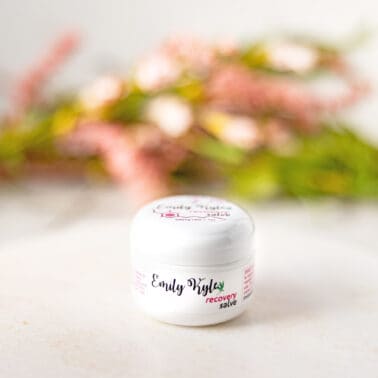
Shop with Emily
Shop Now: Topical CBD Salve
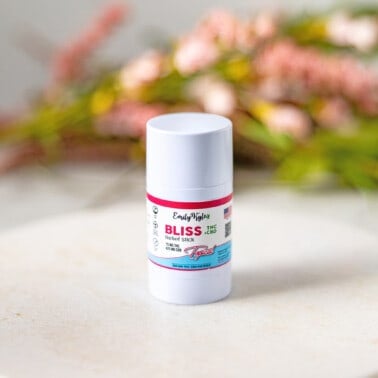
Shop with Emily
Shop Now: Relief Stick
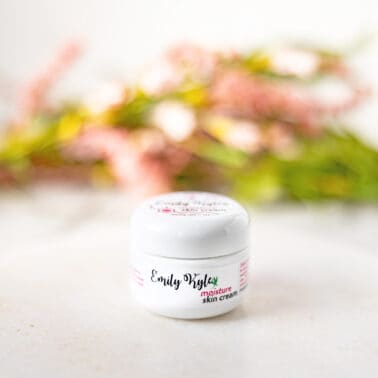
Shop with Emily
Shop Now: Topical CBD Face Cream
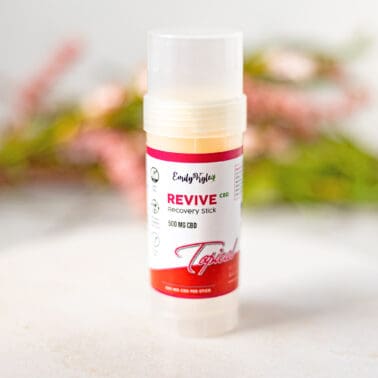
Shop with Emily
Shop Now: Topical CBD Stick
Make Cannabis Topicals At Home
Here is a secret: making your own topicals is actually easier than making edibles! You don’t have to worry about the taste, and you can customize the texture and scent exactly how you like it.
It saves so much money compared to buying small jars at the dispensary. Plus, you get to control the ingredients. I love adding essential oils like peppermint for headaches or eucalyptus for congestion.
When it comes to making your own topicals, infused coconut oil or Full Extract Cannabis Oil (FECO) are by far the best options.
Infused coconut oil is an excellent base because it has a high fat content, allowing it to absorb cannabinoids effectively, which maximizes the potency of your topicals. It’s also incredibly versatile, moisturizing, and gentle on the skin, making it a great choice for a wide range of uses.
On the other hand, FECO is a powerhouse extract, providing a concentrated dose of cannabinoids. This makes FECO ideal for those who prefer a stronger, more potent topical.
Because it’s so concentrated, you only need a small amount to achieve significant results, making it an efficient and cost-effective option. Whether you’re soothing sore muscles or moisturizing dry skin, using either infused coconut oil or FECO as the base ensures that your homemade topicals are both effective and therapeutic.
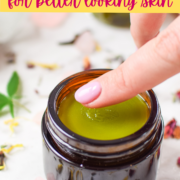
If you have some leftover flower or “pulp” that isn’t great for smoking, this is the perfect way to use it up. You simply infuse your cannabis into a carrier oil (like coconut or olive oil) and then mix it with beeswax to set it into a balm.
Recipes to Try
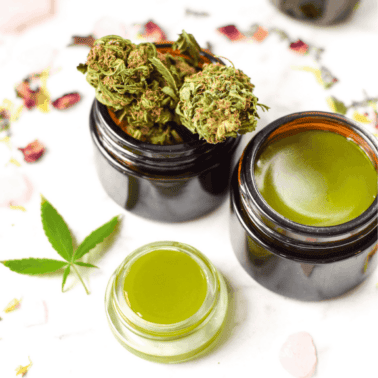
Cannabis Topicals
Easy Homemade Cannabis Salve Recipe
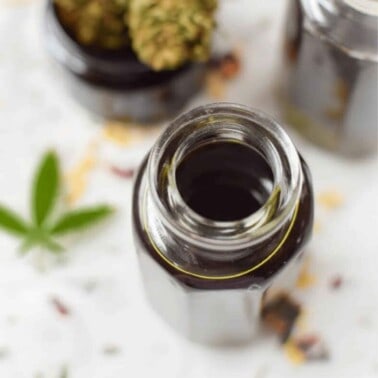
Cannabis Topicals
Homemade Cannabis-Infused Massage Oil
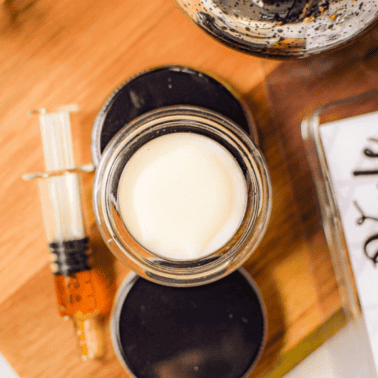
Cannabis Topicals
How to Make Cannabis-Infused Lip Balm
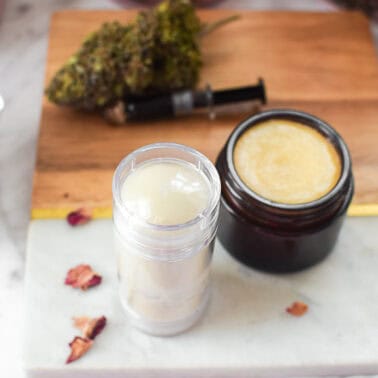
Cannabis Topicals
How to Make a Basic Cannabis-Infused Balm
Conclusion
Cannabis topicals were my gateway into a deeper relationship with this plant, and they might be yours too.
They offer a bridge between traditional skincare and medicinal cannabis, providing a safe, non-intoxicating way to manage pain and improve your skin health.
Whether you are looking to soothe arthritis, clear up acne, or just treat yourself to a relaxing massage, I encourage you to give them a try. You hold the power to your own relief, literally, right in your hands.
If you are looking for more in-depth information on cannabis topicals and how to use them to improve your specific conditions, I invite you to learn more in my Edibles Made Easy Online Course.
More Articles You Will Love
Articles & How-To Guides
A Beginner’s Guide to Cannabis Edibles
Articles & How-To Guides
Dry Herb Vaporizer: A Safer Alternative To Smoking?
Tincture Resource Guide
The Top 10 Benefits of Using a Cannabis Tincture
All Things Cannabis Oil










I have 8oz canna butter in my freezer. I no longer want to make my cookies so I’m interested in recipes for making lotions. I also have FICO in a jar in my cupboard. I want to make topicals with this. I grew my plants this last summer. Any recipes will be so appreciative.
Hello Elyse! Those are perfect options for making topicals. Here is a basic balm recipe for you that will be perfect to get started with.
Hello can you send me the measurements amount to make the cannabis salve that you use.
Please and thank you.
Hi Jocelyne! You can find the full recipe and guide for making cannabis salve here: https://emilykylenutrition.com/cannabis-salve/. Hope it helps! 😊
Hi Emily
Can I make a cream or salve, preferably a cream I know how to make both….. using FECO?
Hello Sherry! Yes, you can make either using FECO, you can try this recipe, just add the FECO directly into the carrier oil 🙂
Read about decarbing. Same way I do it. Came here to learn how to make a topical salve AFTER I decarb and still looking for a recipe. I read and read but is there a recipe from start to finish? What am I cooking it with in my double boiler? Shea? Coconut oil? “Cannabis oil” is in your final guide but how do I make it so then I can make my salve. There seems to be a huge piece of the puzzle missing. How much oil base to decarb flower?? Or please email me instructions step by step? Recap: I don’t know what to do after decarbing.
Thanks,
Pain sufferer
Hello Deb, I’m so happy you’re here and eager to learn how to make a topical salve, but so sorry to hear you are in pain! I’ve got you covered with a complete recipe that will guide you step-by-step. You can find it directly here: How to Make a Cannabis Salve Recipe 🌿. I hope this helps you find the relief you’re looking for.
I recently made a high strength mct oil the mixed some with 100mls of hemp seed oil. The mct oil was decarbed and infused but the hemp seed oil wasn’t. I just mixed the two after. Do you think it will make the oil less effective? Should I use my double boiler and put the entire mixer back in for a few hour to infuse the hemp seed oil too? Thanks
Thank you so much for reaching out with your question, Eoghan 😊 Because you’ve already decarbed and infused the MCT oil, mixing it with hemp seed oil afterwards shouldn’t significantly impact its effectiveness. The MCT oil carries the active components, and blending it with hemp seed oil essentially dilutes the concentration but doesn’t negate the benefits. Hemp seed oil itself is rich in nutrients and can complement the MCT oil well, even if it hasn’t been infused or decarbed. However, if you’re looking to maximize the potential benefits from both oils, infusing the hemp seed oil too could be an interesting experiment. If you do decide to infuse both together, I’d love to hear how it turns out or if you notice any difference in the effectiveness!
What are the benefits of using a THC based oil over a CBD oil?
Hi Moira. In general, THC provides better pain relief than CBD, but CBD absorbs better than THC into the skin, so combining both works best. Also, limonene and linalool can help the THC/CBD cross the skin barrier more easily, making the topicals more effective.