

Are you looking for an alternative to cannabis oil? Making cannabis sugar is a great way to infuse your own edibles! Discover how to make a simple, delicious, and versatile cannabis sugar using a cannabis tincture and sugar for a basic staple recipe that can be used to make a wide variety of other tasty infused cannabis products like baked goods, candies, and more.
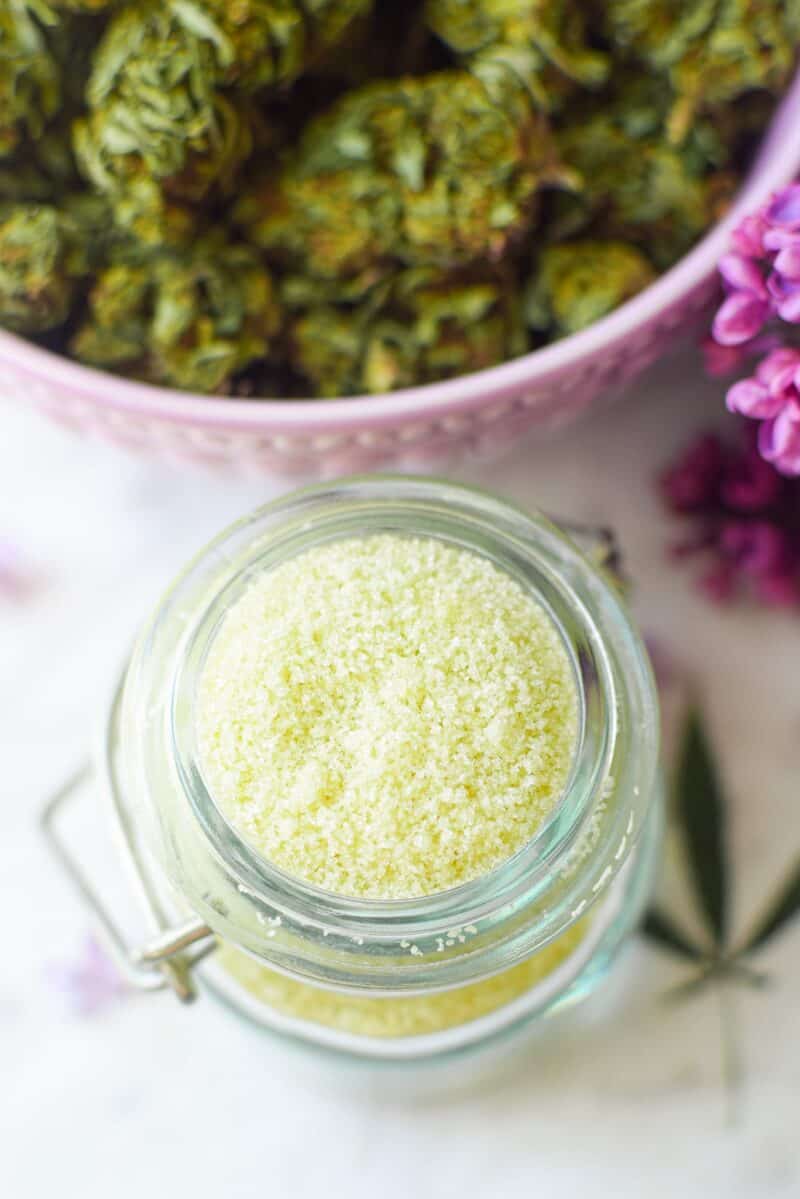
Table of Contents
- Recipe Features
- Why You Will Love This Recipe
- Easy Cannabis-Infused Sugar Recipe
- What You’ll Need
- The Step-by-Step Process
- The Sugar-Making Process
- Tincture Resources
- Notes & Expert Tips
- Use The Right Dish
- Choose a Breathable Cover
- Find a Safe Drying Space
- Stir Your Sugar Often
- Use A Fan To Speed Up The Process
- How to Make More Potent Sugar
- Determine The Dose
- Frequently Asked Questions
- Recipes To Make With Cannabis Sugar
Recipe Features
- A simple two-ingredient recipe: cannabis tincture and sugar
- Sugar-free alternatives included for many diets
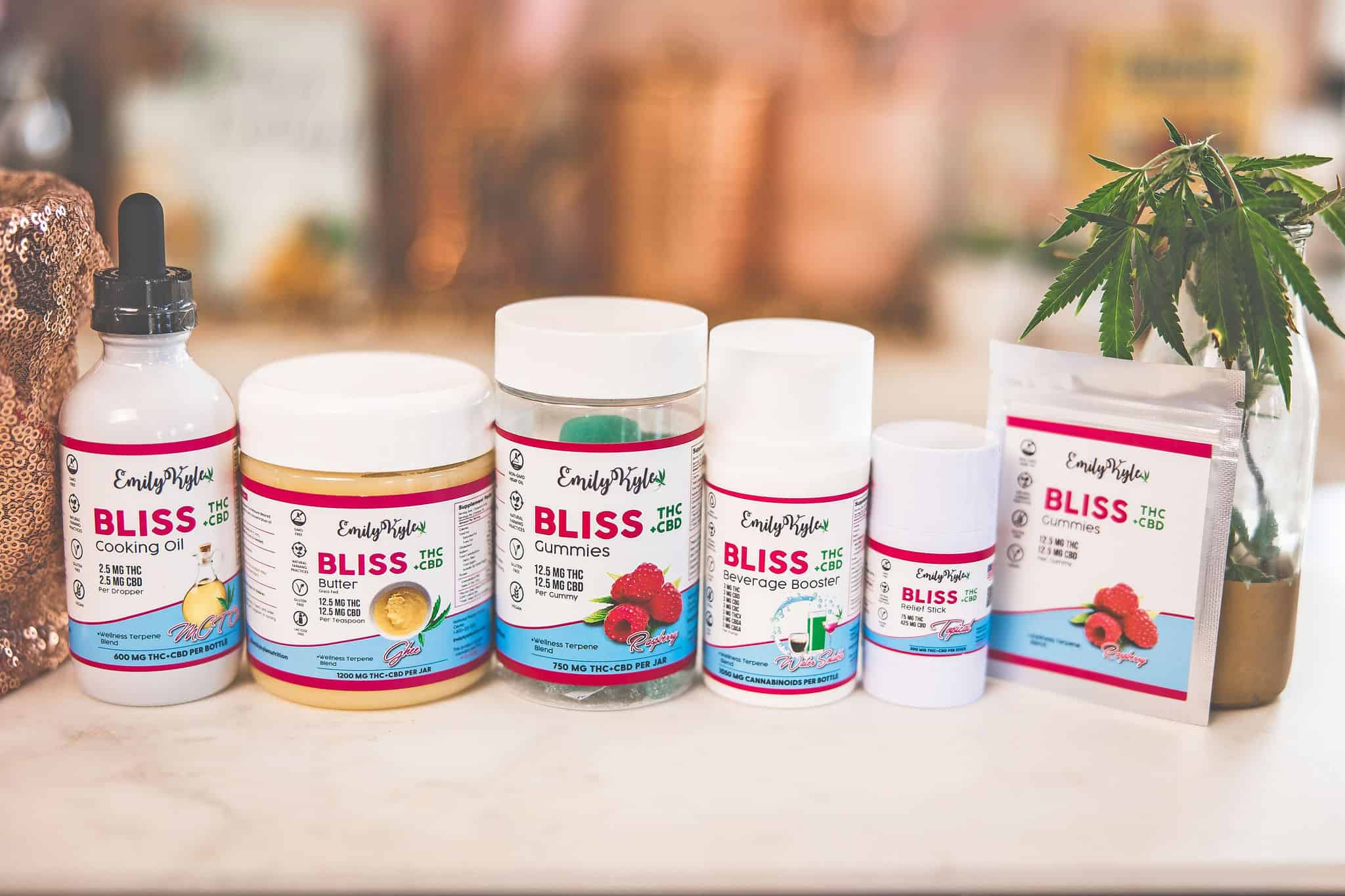
- Want to make it easy? Shop my high-quality cannabis products and have them delivered directly to your door!
Why You Will Love This Recipe
Most of my recipe inspiration comes from my Well with Cannabis Community, and somewhere in the early days, I saw someone making cannabis sugar.
I fell in love with cannabis sugar because once it’s made, it can serve as a staple recipe for infusing all other recipes easily.
I also love the versatility. Once it is made, you can use it in so many different recipes like brownies, chocolate chip cookies, cocktails, or even a scoop in your morning coffee or tea.
Plus, if you need higher doses and are looking to increase the potency of your cannabis recipes, great news!
You can use both a cannabis-infused oil AND infused sugar together for a double dose of CBD or THC.
In this guide, I will share my guide designed to help you learn how to make delicious cannabis-infused sugar, my notes and expert tips, and fully answered FAQs so you feel confident getting started immediately.
Easy Cannabis-Infused Sugar
Video
Ingredients
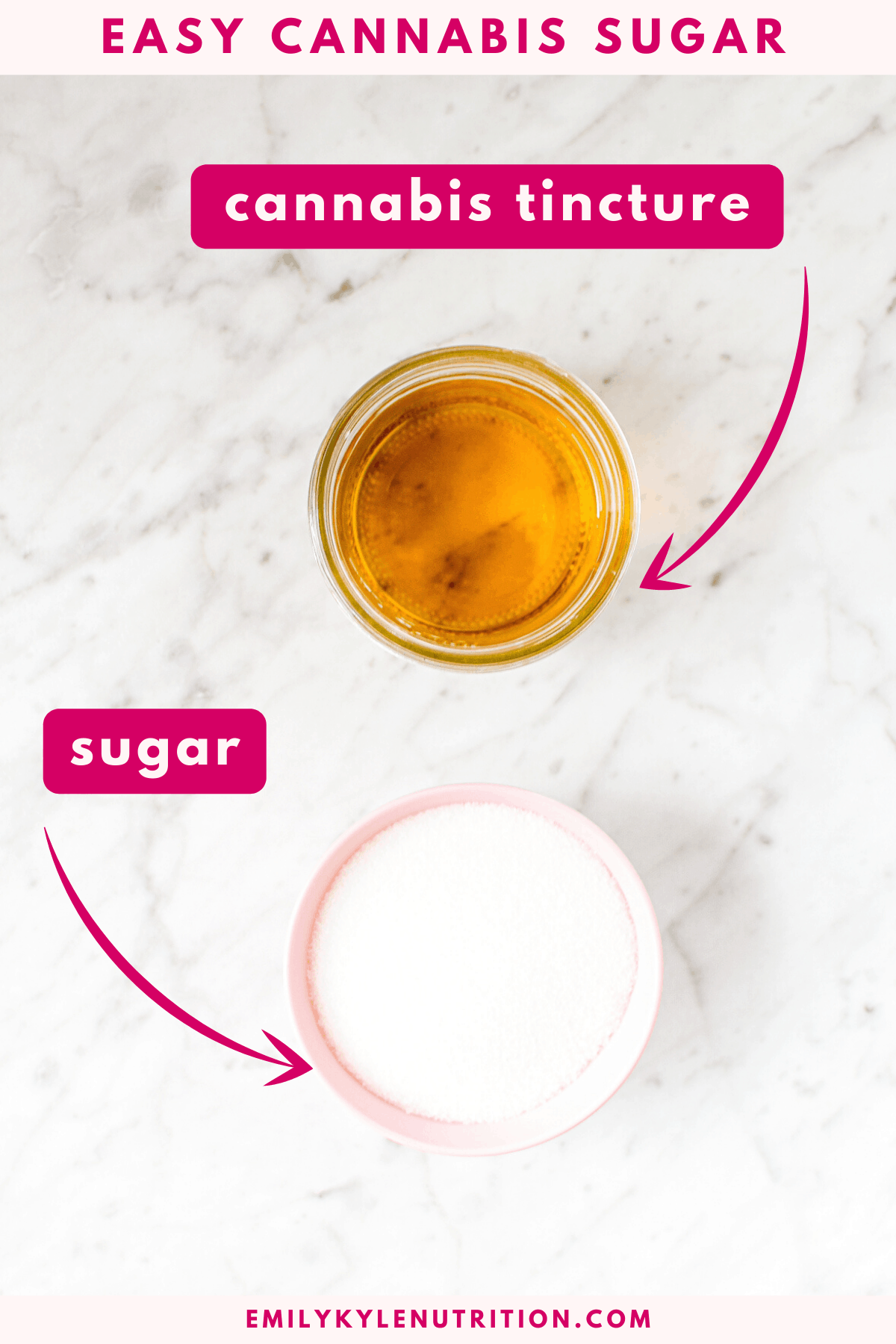
- 2 cups white granulated sugar
- 1 cup cannabis alcohol tincture
Instructions
- Add the sugar to a glass baking dish.
- Pour the tincture over the sugar.
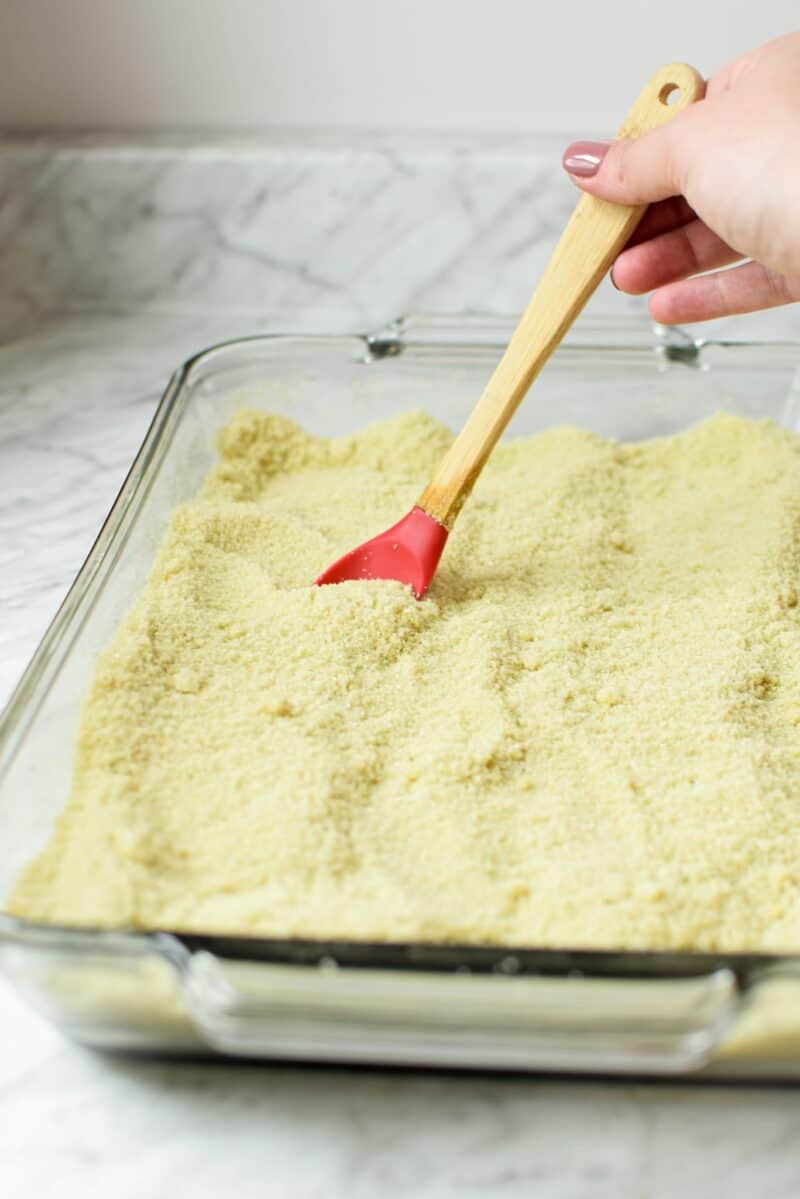
- Use a spatula to stir the sugar and tincture together, ensuring all of the sugar is coated. The mixture will resemble wet sand.
- Cover the baking dish with a breathable fabric and place in a safe area to air drying. Allow the mixture to dry for 48-72 hours, stirring every few hours.
- You will know when your sugar is ready when all of the alcohol has evaporated off and the mixture again resembles dry sugar.
- Place the infused sugar in an air-tight jar and store it in a cool, dry place.
Notes
- You can not make cannabis-infused sugar without the alcohol tincture You can not make cannabis sugar with butter, oil, or any other type of fat.
- You absolutely do not want to put a solid top or a lid on the pan while the sugar is drying.
- If you do not stir the sugar enough, it will harden together on itself and create a hard chunk of sugar. If this happens, you can use the food processor or a ziplock bag and a rolling pin to break it back up into granules again.
- If stored properly, the cannabis sugar should last at least 3 months, if not longer.
SAVE THIS GUIDE 💌
What You’ll Need
- Cannabis Tincture: Before getting started, you will want to prepare a cannabis tincture. The Green Dragon and Golden Dragon tinctures are very popular. You must use an alcohol-based tincture for this recipe; oil will not work.
- Regular Sugar: White granulated sugar or table sugar is the standard sugar for this recipe. While I have not tried making sugar with anything aside from this, members of my Well With Cannabis Community report having success infusing brown sugar, cane sugar, coconut sugar, turbinado sugar, monk fruit sweetener, erythritol (non-nutritive sugar alcohol).
Members also report NOT having success infusing Splenda or other powdered artificial sweeteners.
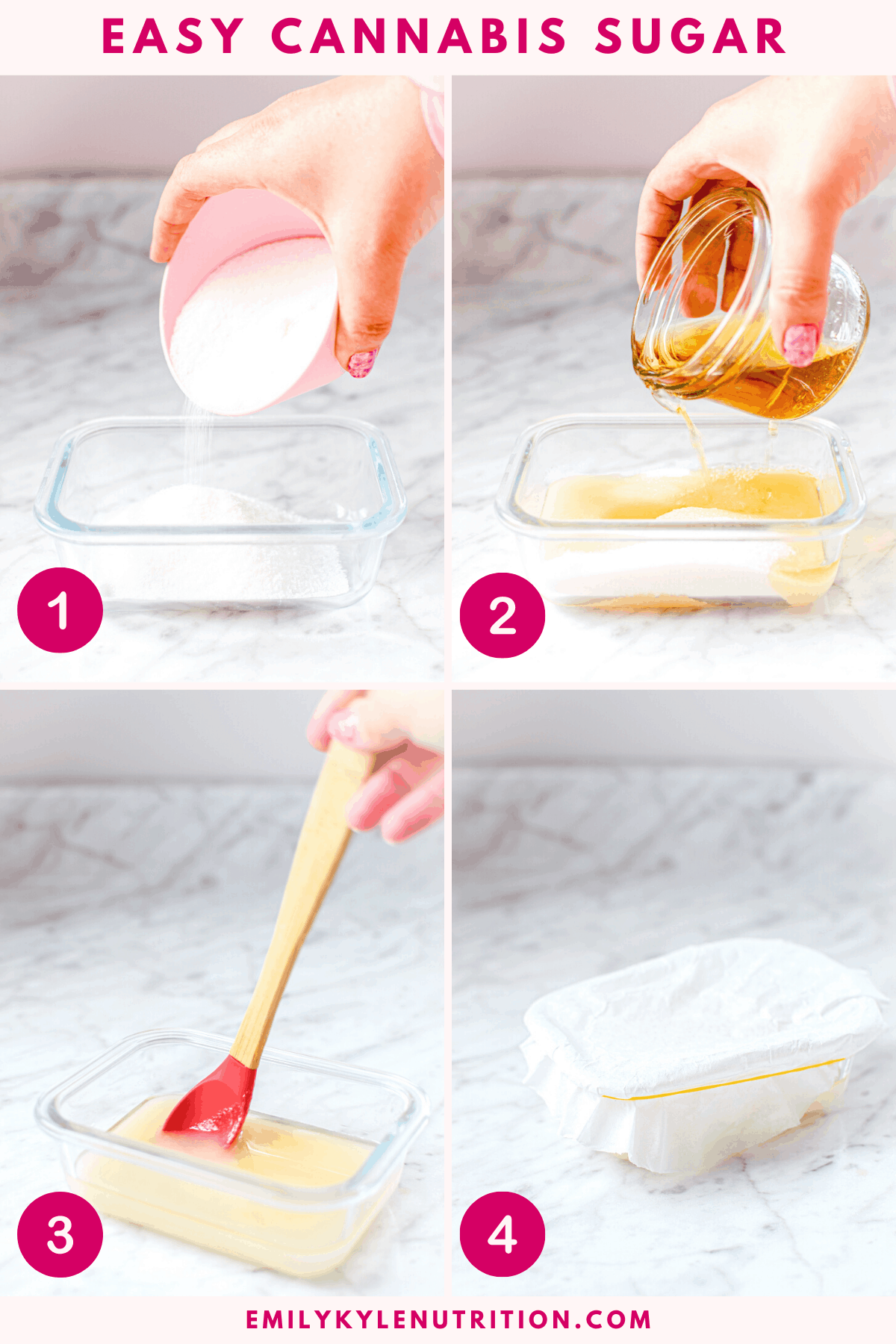
The Step-by-Step Process
- Step 1 – Add the sugar to a glass baking dish.
- Step 2 – Pour the tincture over the sugar.
- Step 3 – Stir the wet ingredients well.
- Step 4 – Place in a safe area for drying. Cover with breathable fabric.
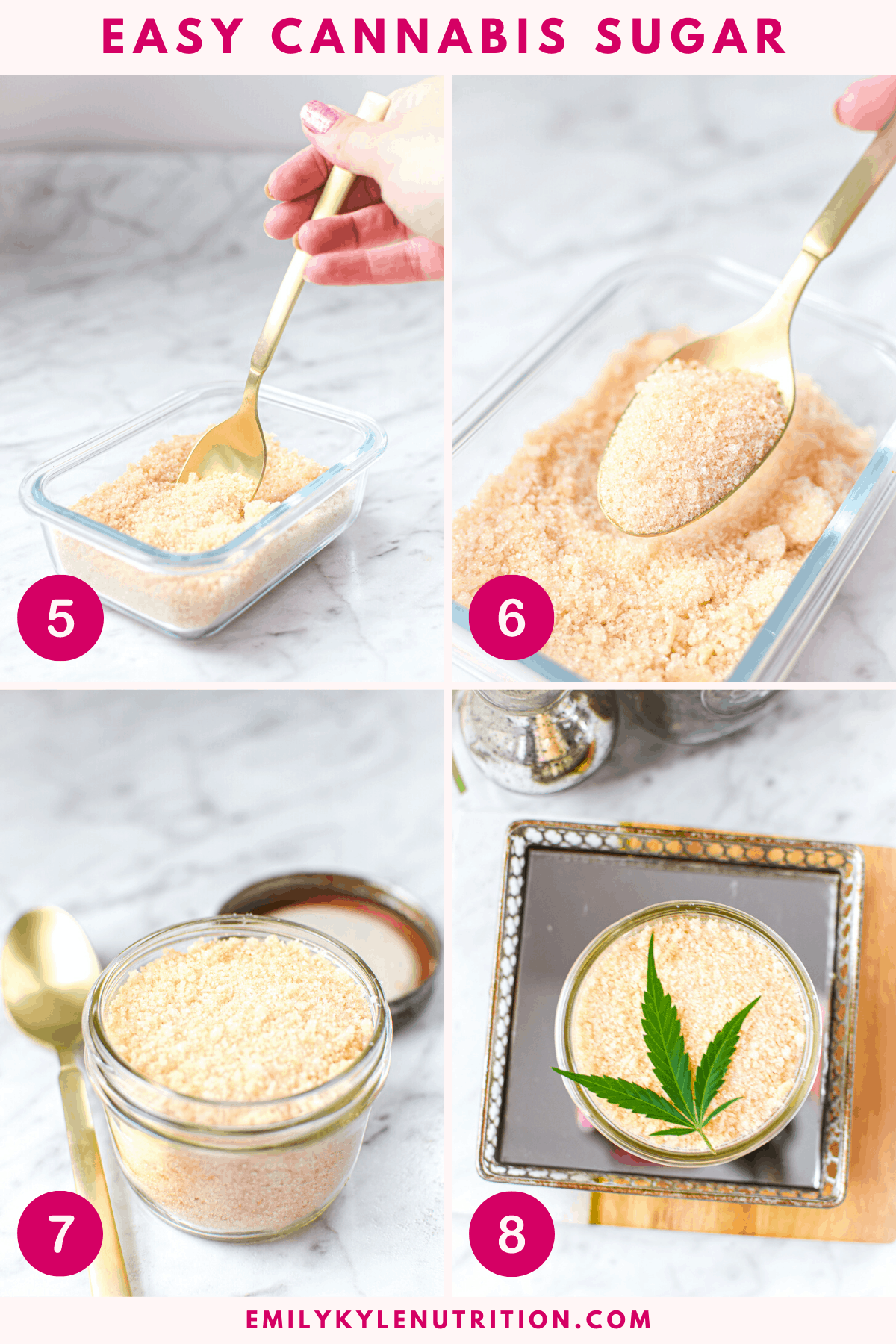
- Step 5 – Allow the mixture to air dry for 48-72 hours or until completely dry. Stir every few hours.
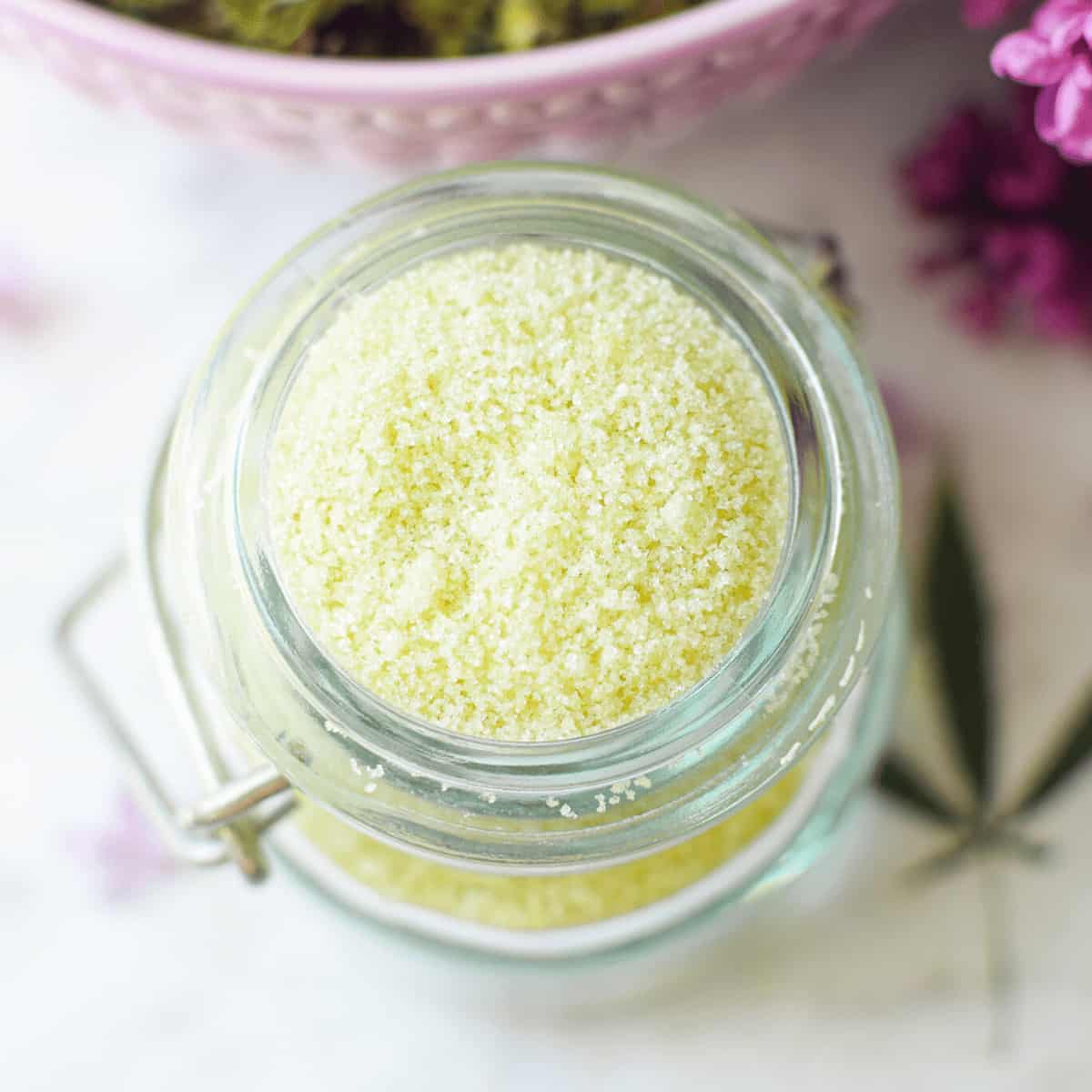
- Step 6 – You will know it is ready when it is completely dry and resembles traditional sugar.
- Step 7 – Store in an airtight container.
- Step 8 – Enjoy.
Storage Instructions
Once your own cannabis-infused sugar is made, you want to ensure you keep it as dry as possible, just like you would store other dry ingredients.
Storing it in an airtight mason jar or even a ziplock bag will work if it’s sealed properly.
Then, it is a good idea to store this in a cool, dark place.
The Sugar-Making Process
Unfortunately, cannabis enthusiasts know this is not a quick recipe; there are a few things you need to do before you can get started making infused sugar.
Here’s what you need to do first:
- Decarboxylate your cannabis flower according to the cannabinoids present. You can decarb in an oven or an Instant Pot.
- Make a cannabis alcohol tincture – either a Green Dragon tincture or QWET tincture.
Please Note
- You can not make cannabis-infused sugar without the alcohol tincture.
- You can not make cannabis sugar with butter, oil, or any other type of fat.
Decarboxylate the Cannabis Flower
Making cannabis edibles involves a bit of science, and there are tried and true processes to follow to get the best quality final product.
Dried cannabis flowers do not naturally contain high amounts of THC or CBD.
Instead, they contain high amounts of THCA and CBDA, an acidic but non-intoxicating form of the cannabinoids.
Applying heat helps to convert the THCA and CBDA into the active forms of THC and CBD through a process called decarboxylation.
Using decarboxylated cannabis is one of the most important factors in getting the best result from your final product.
Skipping the decarb process is a common mistake that may result in a weaker final product with inactive or non-intoxicating effects.
Make a Tincture
After the process of decarboxylation comes the process of using alcohol as a solvent to extract the active cannabinoids THC and CBD from the plant matter.
This is the process of making a cannabis tincture and is essentially the same extraction process as making vanilla extract.
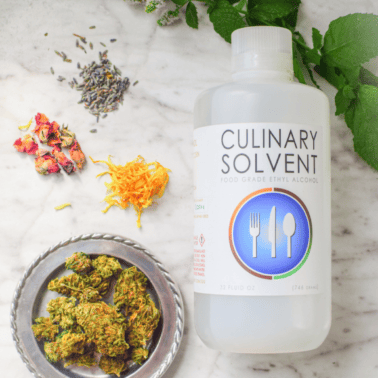
You will want to use a high-proof, food-grade alcohol like the options listed here.
You can make many types of cannabis tinctures at home, a traditional long-soak Green dragon tincture or the more modern cold alcohol infusions known as the Golden dragon QWET tincture method.
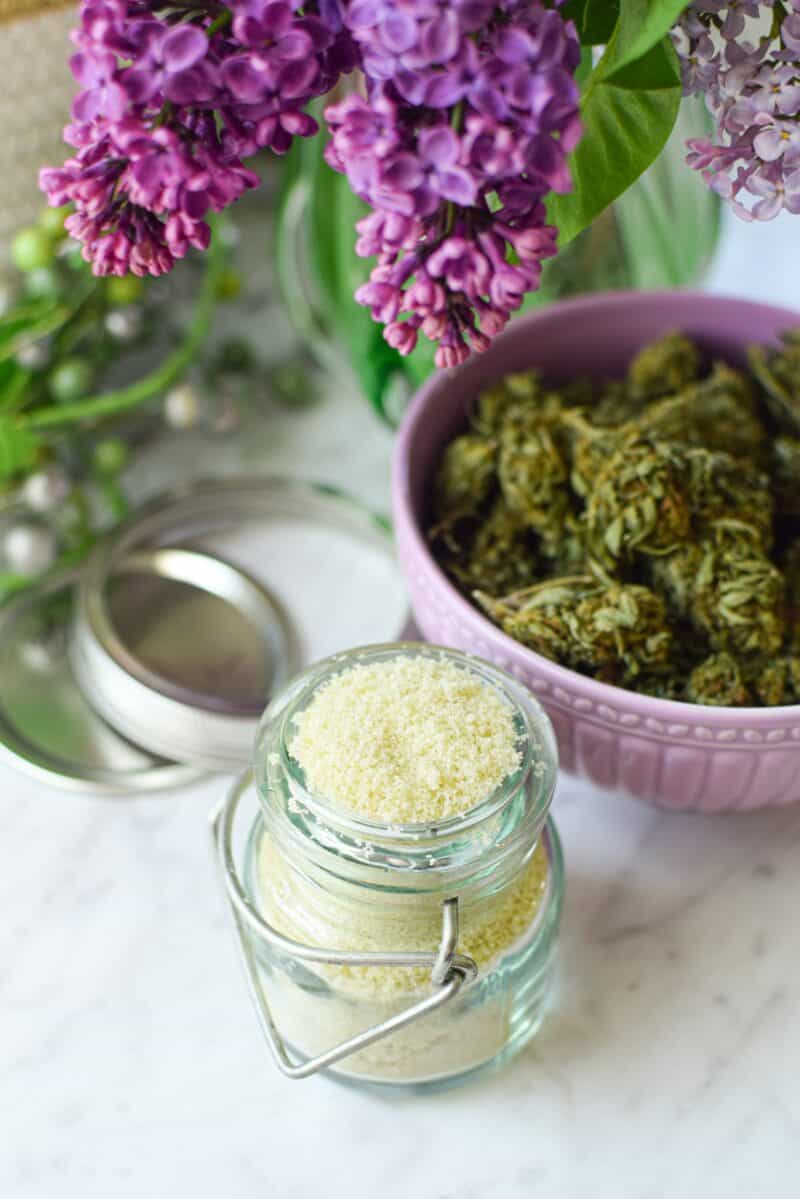
Once you make your tincture, pour the strained liquid tincture directly over the white sugar and stir.
Tincture Resources
Articles & How-To Guides
Where To Buy High-Proof Alcohol For Tinctures
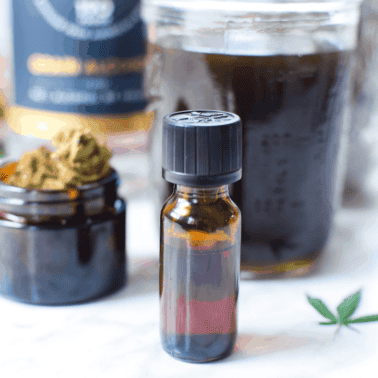
Cannabis Infusions & Extractions
Easy Green Dragon Recipe » Cannabis Alcohol Tincture
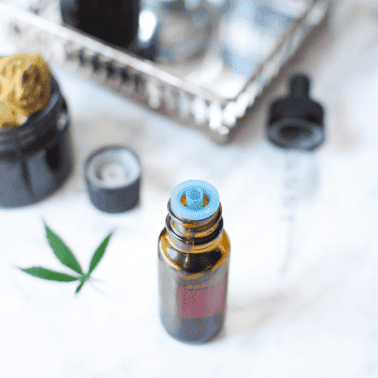
Cannabis Infusions & Extractions
Golden Dragon QWET Cannabis Freezer Tincture
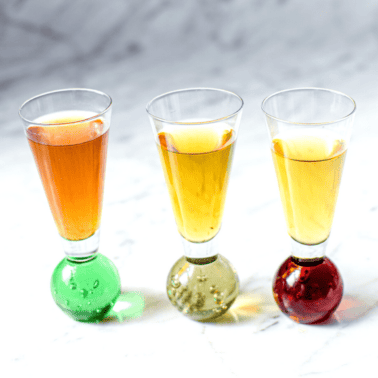
Articles & How-To Guides
Green vs. Golden Dragon Tincture with Lab Potency Tests
Evaporate All Of The Alcohol
This recipe’s outcome is based on the complete evaporation of all alcohol in the tincture.
Evaporating the alcohol will leave behind just the extracted cannabis oils bound to the sugar crystals.
It’s important to note that there are many different ways to evaporate the alcohol; some are more safe than others.
Please note: it can become dangerous if you decide to use high temperatures or an open flame, so be cautious because alcohol is extremely flammable!
While it may be tempting to use heat to evaporate the alcohol, I think the best way is to let nature take its course and let the alcohol evaporate off naturally, even if the process takes longer.
The process of leaving the sugar at room temperature takes a few days, but some things are worth waiting for.
If you’re impatient, using a food dehydrator with a low heat setting is a great next-best option.
If you’re even more impatient, be sure to check out my guide for safe alcohol evaporation before getting started.
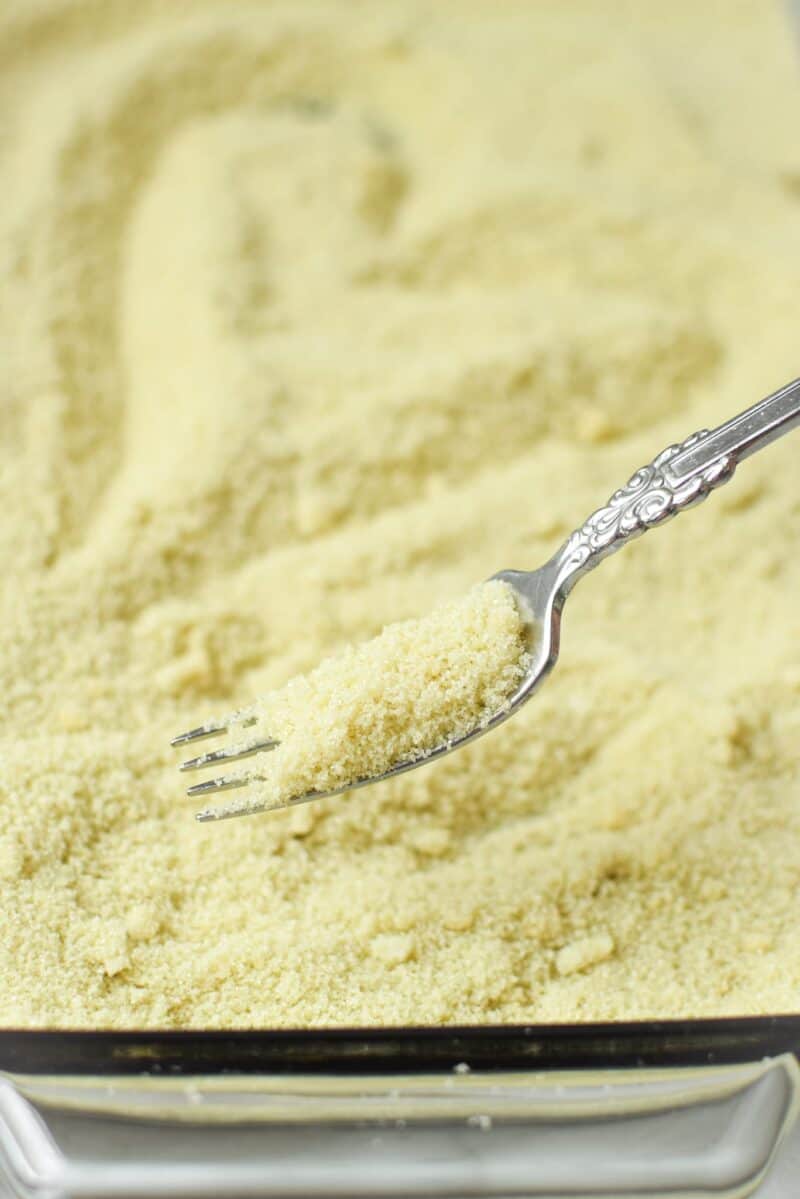
Notes & Expert Tips
Want to make this recipe perfectly the first time?
Check out my notes and expert tips to help you along in the process.
SAVE THIS GUIDE 💌
Use The Right Dish
Remember, with this recipe, the more surface area exposed to the air, the faster the alcohol will evaporate.
This means you want a bigger container with a shallow amount of sugar when filled.
I have used a glass 9×13 inch (3 quart) baking dish in the past and thought it worked perfectly.
I’ve seen suggestions to put foil or parchment paper on a baking sheet but found this was way too messy, especially when stirring the sugar frequently.
Choose a Breathable Cover
You want as much airflow as possible to the sugar, so you do not want to put a solid top or a lid on the pan while the sugar is drying, or else the alcohol will not be able to evaporate.
But you will likely want to cover the sugar while drying to prevent contamination, so I suggest a coffee filter or thin cheesecloth over the top.
Find a Safe Drying Space
You will need to leave the glass baking dish out to dry for several days, so you will need a safe drying space where the sugar can rest.
An empty pantry shelf or even on top of the refrigerator works. Ultimately, we chose to keep ours in the oven because we have little ones at home.
This wasn’t ideal because the airflow wasn’t great, but it worked well for keeping it safe and out of the way.
One thing to note is that we put a prominent note on our oven to ensure we did NOT turn it on while the sugar was inside.
Again, alcohol = flammable. Please use caution!
Stir Your Sugar Often
The more often you can stir your weed sugar, the more you will be exposing the alcohol to the air for it to evaporate.
We used a small silicone spatula to stir the sugar and tried to stir it as often as possible, every few hours, at least 4-5 times daily.
If you do not stir the sugar enough, it will harden together and create a hard chunk of sugar.
If this happens, you can use the food processor or a ziplock bag and a rolling pin to break it back up into granules again.
Use A Fan To Speed Up The Process
One option to get the alcohol to evaporate faster is to place a fan over the sugar and allow it to run while stirring the sugar consistently.
This helps move the air and the sugar around, allowing for quicker evaporation.
If you do not have a fan, placing your wet sugar container on a baking tray next to an open window may help with the airflow.
How to Make More Potent Sugar
Everybody always wants the most potent end product, but there are a few things to remember when determining the potency of your sugar.
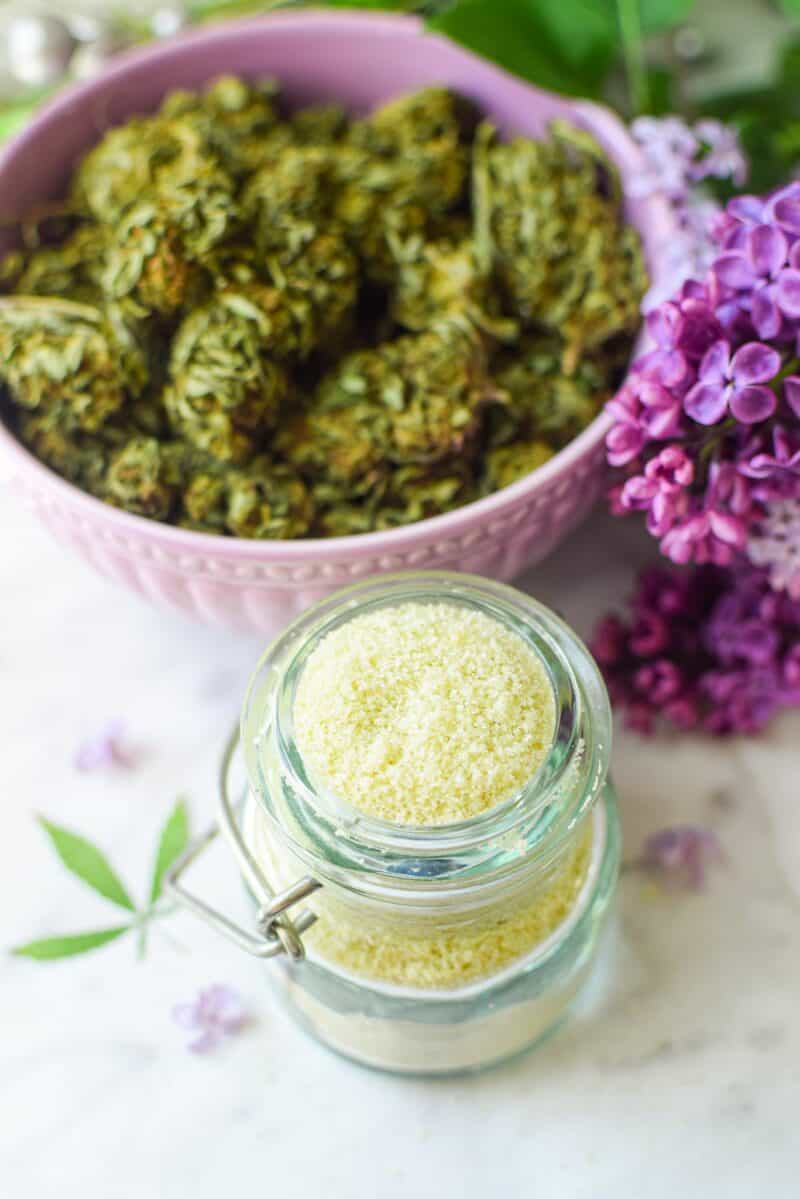
First, the strength of your cannabis sugar will depend on the strength of the cannabis flower you used to make your alcohol tincture.
Using shake, leaves, and stems will result in a weaker concentration of cannabinoids, while using high-quality cannabis buds will result in a higher concentration of cannabinoids.
Volume matters here, too.
The final concentration will depend on how much herb you use in your tincture.
You can either double your flower or half your alcohol volume here for a stronger tincture.
Additionally, you can also simply cut the amount of sugar in this recipe to 1 cup sugar and 1 cup of tincture.
The mixture will be wetter at first and may require more time to evaporate off all of the alcohol.
Of course, your reaction to cannabis edibles is unique and highly dependent on your own unique endocannabinoid system, and you should dose accordingly.
Determine The Dose
Want to get a more accurate guesstimate of the potency of your cannabis infusions and extractions? Try my popular edibles dosage calculator. Not sure what your perfect dose is? Learn more here.

Frequently Asked Questions
White granulated sugar is the standard sugar for this recipe. While I have not tried making sugar with anything aside from this, members of my Well With Cannabis Community report having success infusing brown sugar, cane sugar, coconut sugar, and Turbinado sugar.
Yes! To make powdered sugar, you will want to first infuse the granulated sugar with the process outlined here. Once that is ready, put the dry sugar into a high-speed blender with some cornstarch. You can use 1 cup of sugar to 1 teaspoon of cornstarch. Pulse for 30-60 seconds or until you get the consistency you are looking for.
Yes! You can follow this same process with monk fruit sweetener or erythritol, a non-nutritive sugar alcohol.
If you want to make sugar with concentrates like distillate or sugar wax, first check to see if your product needs to be decarbed first. Then mix it with high-proof, grain alcohol to prepare a tincture. Then proceed with the process of making canna sugar.
The potency of your cannabis sugar depends on the potency of the cannabis material you are starting with. If your flower has a high THC content, it will have more milligrams of THC than if your flower has a low THC content. You can make CBD cannabis sugar with high CBD flowers. Note that different strains and different cannabis plants will all have different amounts of THC and CBD, and the only way to know for sure is through lab testing.
I’ve seen cannabis sugar range anywhere from light yellow to dark green. Color is not an indicator of the strength of potency. The color indicates how much plant material was transferred into your cannabis tincture when you made it. Green dragon tinctures will have a much more vibrant green color than a Golden Dragon tincture, which may have a light yellow to no color at all.
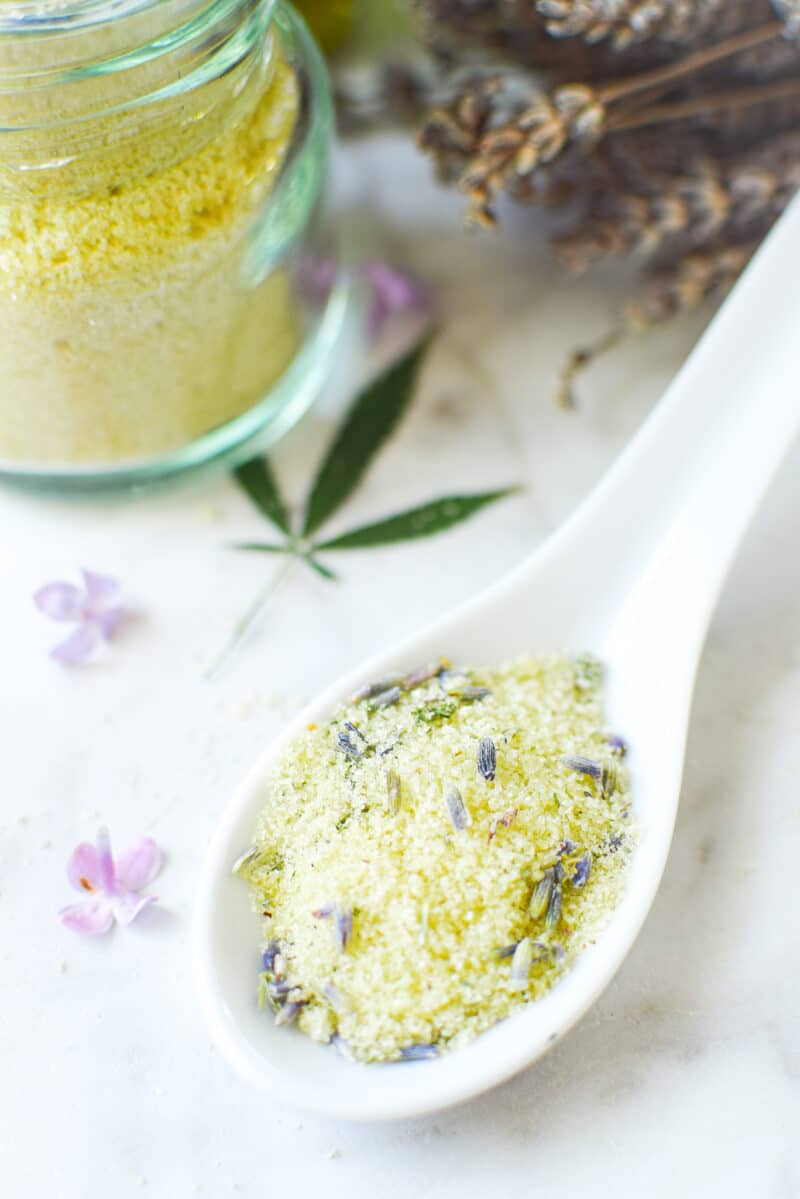
Once you have your cannabis sugar made, you can add other dried herbs as desired. My favorite? Dried lavender. Simply run the lavender through an herb grinder and gently toss to incorporate. A spoonful is delightful in a cup of cannabis tea before bed.
Recipes To Make With Cannabis Sugar
Now that you have your cannabis sugar made try it out in some of these delicious recipes!
Cannabis Dessert Recipes
Chewy Homemade Cannabis Caramels
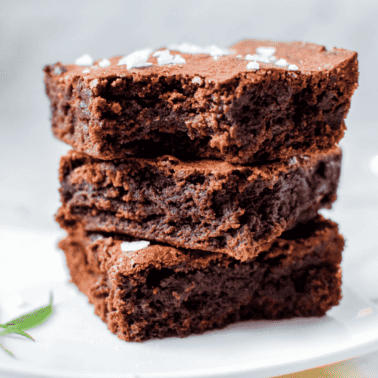
Cannabis Dessert Recipes
How to Make Weed Brownies with Cannabutter or Oil
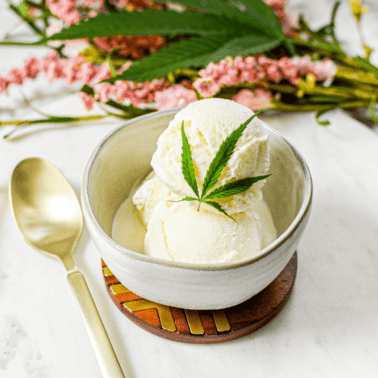
Cannabis Dessert Recipes
Creamy Cannabis Vanilla Ice Cream
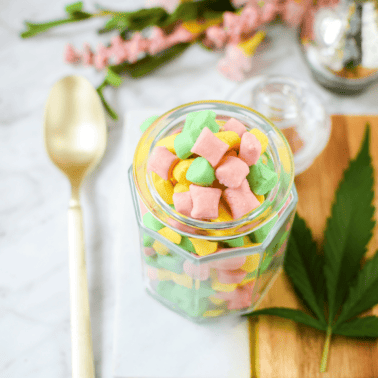
Cannabis Dessert Recipes
Sweet, Creamy Cannabis Buttermints
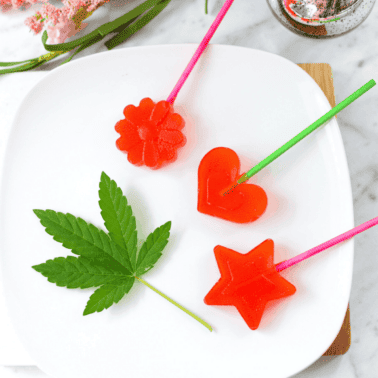
Cannabis Dessert Recipes










Okay, it’s been 9 months since I was here. I will make some statements here, but PLEASE correct me if I get anything wrong. After alI, if I knew everything I’d have no reason to be here, right?
I grew two plants (Punch Breath indica-heavy hybrid), and have harvested, dried and “cured.” Still a little damp, but I don’t think you want your flower to be totally dried out, correct? A judgment call. As I write, I am decarbing 113g of flower (a quarter pound) in a 230 degree oven for 40 minutes.
I plan to put the decarbed flower into a mason jar, dump cold 190 proof alcohol in there to lightly cover the flower. Stick it in the freezer and shake it from time to time, maybe once every day or so, to be sure it mixes up. I figure a couple weeks to make “green dragon” concentrate.
Questions:
– Keep the concentrate mixture in the freezer?
– Is 2 weeks long enough? I’m not married to that time frame. If it should be longer, tell me how long.
– Based on other reading, I’m thinking that the decarb in the oven took 20% of the THC, and that the concentrate process takes another 10%. Is that close enough for horseshoes?
When the concentrate’s done, then I plan to strain it to remove the plant material, measure what’s left of the liquid, and combine it into the mason jar with an equal volume of sugar, give it a righteous shaking, and pour it into a glass baking dish. Cover the dish with cheesecloth and stick it out in the garage to evaporate, going out there to stir it from time to time to make sure there’s no uneven clumping.
Question: How much THC will be lost in this process?
Once I have the cannasugar, I plan to drive on over to the laboratory and have them make two measurements: THC content of the flower, THC content of the sugar.
So that’s the plan, and I am absolutely, totally, unreservedly open to any corrections and suggestions. And once again, thanks very, very much for this incredibly helpful site and the step by step directions. It’s fantastic. The gods must be smiling on me for having found you.
Hello, thank you so much for taking the time to reach out and share your plan, I’m so happy you’ve found the step-by-step directions helpful! First of all, it’s great to see how much thought and effort you’ve put into this; it sounds like you’re pretty dialed in. I’ll happily address your questions and offer a bit of guidance!
Let’s Break Down Your Plan:
Keeping the concentrate mixture in the freezer: Yes, keeping the mixture in the freezer is the right move, as this helps preserve the alcohol and prevents unwanted evaporation while ensuring better extraction. Two weeks for infusion: Two weeks is a good timeframe for creating your green dragon concentrate. However, if you can wait longer—say 3 to 4 weeks—you may get a slightly more complete extraction. Just make sure you’re shaking the jar daily to keep things well-mixed! THC loss during decarb and extraction: Your estimate of roughly 20% loss during the decarb process and an additional 10% during the concentrate process is in the ballpark. These numbers aren’t exact, as potency loss depends on factors like oven temperature consistency and alcohol quality, but you’re generally on the right track.
THC loss during the evaporating process: It’s tough to put an exact figure on this since environmental conditions play a role, but the THC loss during sugar infusion and evaporation should be minimal as you’re not applying heat directly. Just be cautious of any prolonged exposure to sunlight or extreme heat, as these could degrade THC further.
A Few Suggestions:
– When you strain out the plant material, consider using a coffee filter or a fine-mesh strainer to ensure you remove as much sediment as possible. This will help create a smoother final product.
– If your sugar clumps a bit while evaporating, you could pulse it in a food processor or blender after everything has dried. This can make your cannasugar more uniform for cooking or baking later on.
– Lastly, it sounds like testing the THC content at a lab is a great idea to better understand the potency of your product. Wishing you the best as you finish this project—feel free to reach out again anytime with questions or updates. Thank you again for your kind words about the site; I’m thrilled it’s been useful to you!
Thanks VERY much for your answers. What I’m doing with the concentrate is just turning the mason jar over and back every day. I’m not shaking it hard. If I ought to shake it, let me know, okay?
A minor frustration in cannabis world is the wide range of potency numbers. I looked up my strain (Punch Breath) on a number of sites, and the reported strength varied from 16% to 30%. In the past, I haven’t cared much. I just turned my weed into cannabutter and made cookies to get to sleep, and judged by the results. Others who ate my cookies called them skullbusters, which made sense because I used a quarter-pound of weed per 10 sticks of butter, double the usual recommendation. The reason: I had a lot of weed after harvest, so why not?
This time around it’s different. My sugar will be used to spike lemonade, and the main person who’ll be drinking it is a recovering alcoholic, hence the need for sugar rather than concentrate. He currently buys spiked lemonade at a dispensary for $17 for 100mg THC. I will be surprised if 100 mg of THC via sugar costs even 50 cents, but we’ll see. Anyway, he understandably wants to know the THC amount.
If THC loss is minimal from concentrate to sugar, and if I guesstimate 21% THC in my Punch Breath, and started with 113,000 mg of flower, and further allow for 1/3 THC loss along the way, my sugar should contain 113,000 x 21% x 67% about 16,000 mg of THC. After straining (will use a fine mesh strainer — thanks for the tip) I think the quart of alcohol will become 25 ounces because it’ll be impossible to separate all of it from the plant material.
At a 1:1 alcohol/sugar ratio, this implies 640 mg THC per ounce of sugar, or 320 mg per tablespoon. The lab will tell me for sure — and I had a great conversation with the guy there who understands that I don’t want inflated numbers, but the best truthful estimate no matter what it is. So the 320 mg THC per tablespoon of sugar would seem like a rational expectation.
What do you think? Am I in the ballpark? Trust me, I’m not holding anyone to anything. I’m just a nerd. LOL. Again, thanks SO much for this site. A whole lot of cannabis sites, well, let’s just say that plenty of stoners aren’t exactly reliable or useful. You do great work here, and I am truly grateful. Once I get the results, I will be sure to let you know how it all went.
You’re definitely in the ballpark with your calculations, and it looks like you’ve accounted for the key factors like THC percentage, potential loss during processing, and even the variables that come with straining. Guesstimating 21% THC is reasonable if that’s within the range for your strain, and your step-by-step breakdown seems logical to me.
Turning the mason jar over daily is perfect, as it ensures consistent mixing without over-agitating the material, so no need to shake it harder, you’re good there! The idea of using the sugar to spike lemonade is such a thoughtful approach for your friend. The rational expectation of about 320 mg THC per tablespoon aligns well with your math too, especially since it factors in the potential losses during the process. That said, you’re absolutely right that the lab results will give you the most accurate numbers, which you can go by for peace of mind.
Thank you again for the kind words about this site, it means a lot. Your passion and precision are inspiring, and I’m really looking forward to hearing your results once everything’s finalized. I bet the lemonade is going to be a hit!
So after a month in the freezer, I strained it, mixed it, and dried it. Took it to the laboratory. 16.2% THC in the bud, 9.1% THC in the sugar, both by weight. Mixed 1 part cannasugar and 2 parts cane, which yielded a teaspoon of diluted canna with 11.6mg of THC. Two nights in a row. I slept well both nights. My spouse tried the same thing last night, and slept well.
Observations: Lower THC percentage in the bud than I expected, but counterblanced by more absorption of THC into sugar than I expected. I think the latter is because, unlike your instructions here, I combined the sugar and alcohol in a blender for 2 minutes. I think it aided the absorption of THC into the sugar.
My cost including growing and processing, end to end: 100mg of THC in sugar cost me 65 cents. The same amount of THC in 6.7 oz (200 ml) of lemonade sells for $17 at the nearest dispensary. Add some lemonade here, and 70 cents tops. Must be nice to have a 25x markup. Pfizer would be jealous.
I have written a start to finish guide and would be happy to share it with you if you send me an email address. I think it might be useful for people who are trying it out for the first time.
Thank you so much for taking the time to share your detailed observations, Jim! It sounds like you’ve put incredible thought and effort into every step of this process. From straining, mixing, and drying to your clever use of a blender to improve absorption, it’s clear you’ve uncovered some efficient and cost-effective techniques for making canna-infused sugar. Your comparison of cost versus dispensary pricing is great and shows how accessible and affordable it can be to grow and process at home with the right approach. I’d love to see your start-to-finish guide! It sounds like it could be very helpful for someone new to this who might feel overwhelmed by the process. Feel free to send it my way ([email protected]) I’d be so happy to take a look.
Hello Jim,
I’m interested in reading your guide, is it posted somewhere?…or can it be emailed to me
I am happy to do that, but will need an email address.
Thank you, it’s [email protected]
Thank you 👍
You’re welcome!
Looks great how do you make your tincture? I have the MBM I make oil but never tried the tincture have a lot of hard candy to make the recipes I have looked at all call for tincture if you could take a min I would really appreciate it! TYIA
Thanks for your comment, Kelli! You can check out this guide on how to make a cannabis tincture: https://emilykylenutrition.com/cannabis-tincture/ — it’s super easy to follow. Hope it helps with your hard candy recipes! 😊
Can I use golden sugar, and is there much flavor difference?
Hi Lenon. I use golden sugar regularly and it works great! I personally enjoy the flavor of golden sugar far better than white sugar, so I’d say there is definitely a flavor difference for the better! Hope this helps. Happy infusing!
Do you burn off the alcohol in the tincture before making sugar?
Hi Lilah. You only need to evaporate the alcohol off if you’d like the tincture to be more concentrated and stronger per serving. Otherwise, it’s not necessary, and you can move forward as is. Hope this helps!
Got to try now 😀 thank you!
Please do, Dave! Be sure to let us know how it turns out!
Thanks I’m trying this soon, thanks for sharing.
Thanks for sharing! Let us know how it turns out, Hope!
Again I enjoy reading your material I was wondering 💭 The pot alcohol I created, can I just use that w out the added sugar & should I strain the pot from the alcohol before using!?
Thank you so much, Cynthia Howell
Hi Cynthia. You can absolutely use your tincture without adding sugar if that’s your preference. And yes, we do recommend straining out the plant material for a smoother finished product. Happy experimenting, and feel free to reach out with any other questions!
Hello,
I have used this recipe before, but used RSO dissolved in everclear in place of flower. However, I noticed that when I added it to liquids, I could see some separation between the liquid and the infused tincture. Does making this with decarbed flower instead solve this issue?
Hey Tom. Thank you so much for reaching out with your question! I’m so happy to hear that you’ve tried the recipe before and are exploring different methods for infusion. It’s not uncommon to notice some separation when added to liquids. This happens because oil-based substances like RSO don’t fully blend with water-based liquids. Switching to a product made with decarbed flower can potentially help, as it often creates an infusion that is better incorporated when mixed with liquids. However, using a carrier like lecithin can also improve the emulsion and help prevent separation, regardless of the type of infusion you’re using. It’s worth experimenting with both methods to see which works best for your preferences!
Thanks for that answer. It’s what I expected, but I wanted to be sure. I’m going to grow a plant in the backyard (something I know well, and need no advice about), and once I harvest, dry the bud on my trusty Wal-Mart laundry rack, etc., and make the sugar and then inflict my science experiment on the spouse and compare the results with some store-bought spiked lemonade, I will post here and let you and others know how it went.
The dirty little secret (not to you, but to many people) is that store-bought MJ is one of the most laughably overpriced agricultural commodities out there, given how cheap and easy it is to grow your own and then turn it into whatever you want to use. A wheat farmer friend and I worked the numbers as if MJ were treated like wheat, and figured no more than 15 cents an ounce before taxes, and probably less. So I do all this myself, being God’s own cheapskate. LOL
I re-read your answers, and I saw that you qualified that 95mg/tsp answer by noting that it needs to be equally distributed. When I made cookies from cannabutter, I altered the Nestle Toll House recipe by melting the butter rather than softening it for that very reason. I wanted uniform cookie strength.
If I simply pour sugar into a mason jar with the alcohol concentrate, then dump that mixture into the glass tray to dry it out, I assume that the sugar that will be left after the alcohol evaporates will have a uniform THC content. But is there anything shaking it together and then drying out the mixture that might screw up the evaporation? Sorry for the one more question, by the way. I thought I had asked everything. I feel like Columbo here. Just one more thing …
Once again, your site is unbelievably great. The informative, step-by-step workmanlike instructions are comprehensive, on the level of Joy of Cooking, which tells you six ways to boil an egg. I am just insanely grateful for this site, and for your patient replies to my long list of questions. You have every reason to be really and truly satisfied with what you have put together. I have already told people about it, and will keep doing that.Thank you! 10/10!
Thank you so much for your kind words and support, Jim! 😊 To answer your question: Yes, if you pour the sugar into a mason jar with the alcohol concentrate, give it a good shake to ensure even mixing, and then let it dry in the glass tray, the THC should be evenly distributed once the alcohol evaporates. Just make sure the mixture is well combined before drying, and you should be all set. No need to worry, asking “just one more thing” is always welcome here! Good luck with your experiment, and we’d love to hear how it turns out!
Will this recipe work using turbinado sugar?
Yes Dawn, turbinado sugar should work just fine for this recipe! Let us know how it turns out!
Thanks so much for your answers. I am getting older, and I notice that I have to be more careful to make sure I follow things, but your site is absolutely superb. 10/10 to use the current vernacular. I think only one more question.
Elsewhere, I have read that cannasugar might not dissolve very readily in liquid. I am skeptical about that. I figure that, if this happens to be true, then just shake the dang bottle. Still, because cannasugar is brand new to me, and because I freely admit my ignorance, why not ask about whether or not cannasugar dissolves less readily in water. If so, what to do about it?
Anyway, I just cannot thank you enough for your site, and for your reply above. Yours is far and away the most informative place I have seen when it comes to turning MJ into edibles. Long may you run.
Thank you for your kind words and support, Jim! Cannasugar should dissolve well in liquid, but often can leave behind an oily residue, or the oil floats atop the beverage. If you notice this, giving the bottle a quick shake is a great solution. We’re so glad you’re finding our site helpful! Happy cooking and thank you for being part of our community!
Hello, just want to clarify from watching posted video for recipe. It shows to chill, not air dry as instructed in written recipe. Is there also a refrigerator method to make sugar? Thanks
Hi Dawn! The video shows the chilling method as an alternative to air drying. Both methods work, so feel free to use whichever is more convenient for you! 😊
Old New Year’s resolution: “Look for reasons to be satisfied, and then say so.” In that spirit: What a great website! I am really blown away, and I will recommend it far and wide. Thank you so much. Now to some questions. My goal is to make spiked lemonade for my spouse, who is a recovering alcoholic. It looks like cannabis sugar is the way to go because the alcohol evaporates out.
1. If I make green dragon v golden dragon concentrate, and then turn it into sugar, will there be a difference in the taste of the lemonade that I have made with the sugar?
2. When decarbing the bud to make the concentrate, does it matter if I grind the bud finely? All things considered, I would like to do it that way so I can minimize the volume of alcohol and therefore make stronger concentrate. But is there a downside to this?
3. I found your calculator, and I want to be sure I got it right. 50g of 22% decarbed bud into 2 cups of alcohol = 9,165 mg THC total, or 95mg THC/teaspoon of concentrate. Will this be different for green dragon v golden dragon?
4. If I combine 2 cups of concentrate and 2 cups of sugar as described above and then dry it out, will the cannasugar contain 95mg THC/teaspoon?
5. In practice, what is the usual proportion of tincture to sugar?
6. Once I have cannasugar, how long will it keep in a 0 degree freezer? Same question for cannabutter.
I realize that some of these questions could be asked on other parts of this site, but it’s easier for me to give it a try all in one spot rather than break up the questions and maybe wind up confused. Again, I cannot thank you enough for this highly useful and informative site. It is truly amazing. And if I have any mistakes above, PLEASE correct me. I am absolutely not one single bit defensive in that regard. If I got anything wrong, I want to know.
Hi Jim! Thank you so much for your kind words. I’m so glad you’re finding our site helpful. I’m happy to answer all your questions about making cannabis sugar. Let’s dive in:
– Green Dragon vs. Golden Dragon Taste: Both methods can result in slightly different tastes. Green Dragon might have a more “herbal” flavor due to the chlorophyll, while Golden Dragon is typically smoother and less plant-like. The difference in your lemonade should be minimal.
– Grinding Bud for Decarbing: Finely grinding cannabis is generally discouraged, as it breaks apart the trichomes, leaving much behind in the grinder. Additionally, excessive grinding releases more chlorophyll and plant matter, which can negatively impact the taste of your final product.
– THC Calculation – Green Dragon vs. Golden Dragon: Your calculation looks spot on at 95mg THC per teaspoon. The potency slightly changes depending on the process you use, but very minimal. Emily ran lab tests to compare, which you can read about here: https://emilykylenutrition.com/golden-dragon-vs-green-dragon-tincture/
– THC in Cannasugar: Yes, if you combine 2 cups of concentrate with 2 cups of sugar and dry it out, the resulting cannasugar should contain 95mg THC per teaspoon, assuming everything is evenly distributed.
– Tincture-to-Sugar Ratio: Common practice is to use a 1:1 ratio (1 cup tincture to 1 cup sugar), but you can adjust this depending on your preference.
– Shelf Life In a 0°F freezer:
Cannasugar: Indefinitely, as long as it’s stored in an airtight container to avoid moisture.
Cannabutter: Up to 6 months for best quality, though it may last longer if well-sealed.
I hope this information helps and answers your questions! Sending good vibes your way!
THANK YOU 💞 this is a grrrreate recipe personally we make ours hella strong w the best green bud we can locate Sure beats smoking it.
THANK 💞 YOU!!!!!!!
So glad you enjoyed the recipe! Thanks for sharing your take on it 💚
I made Cannabis Sugar and i want to make cookies , but unsure if its safe to use gas oven to bake in.
I used 190 alcohol and that scares me about baking in gas oven.
Thank u..
Hi Loretta! Yes, it’s safe to bake with your cannabis sugar in a gas oven, as the alcohol should already be evaporated during the infusion process. Just follow the baking instructions and enjoy your cookies! 😊