

Discovering cannabis massage oil changed my wellness routine for the better, and I’m excited to share how it can do the same for you. This simple, natural topical has become one of my favorite ways to incorporate cannabis into my lifestyle, offering benefits that go far beyond what I expected. Massage oil infused with cannabis is not only a soothing tool for self-care but also an effective way to potentially address stress, pain, and inflammation.
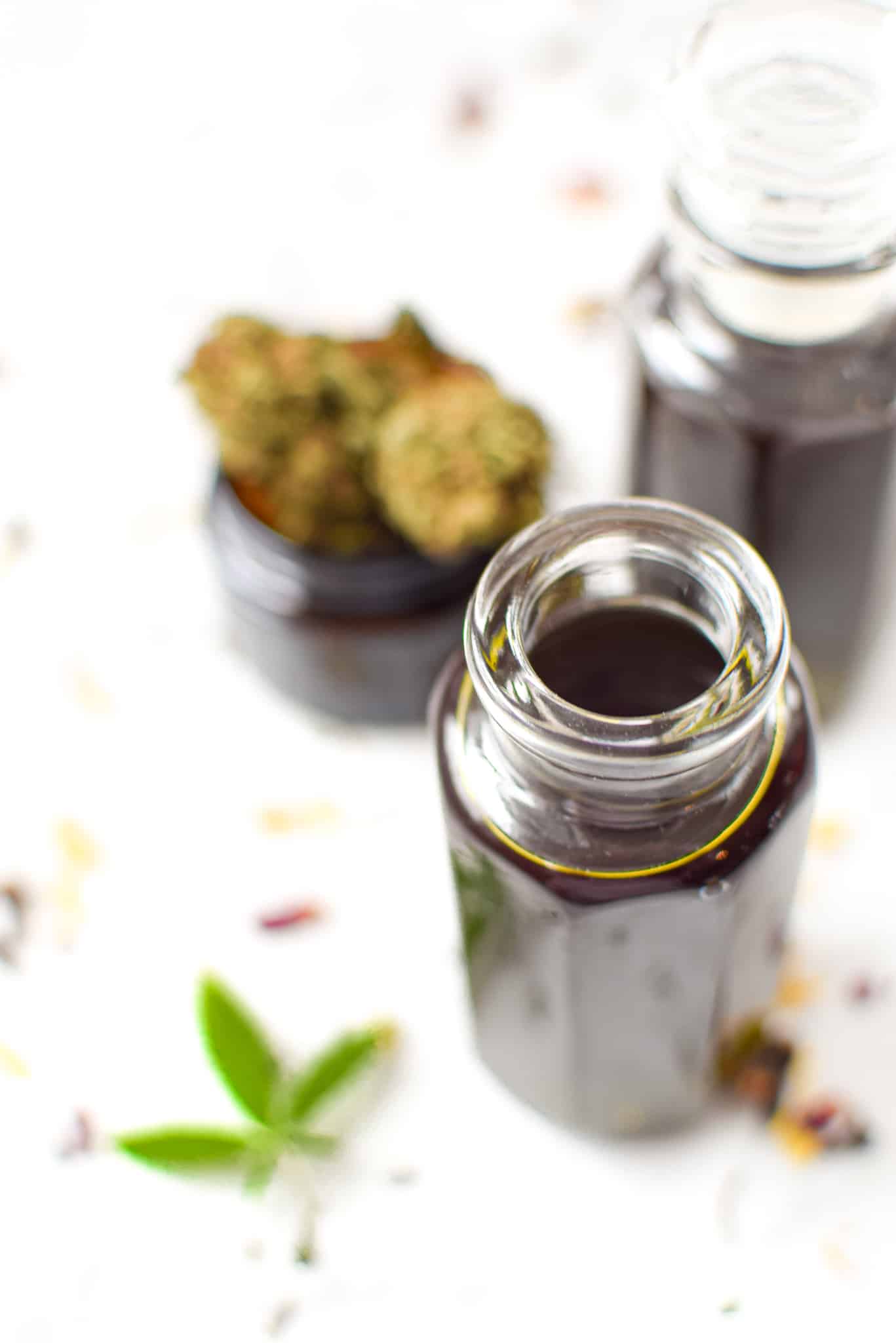
Table of Contents
- Recipe Features
- Why You Will Love This Recipe
- Cannabis Infused-Massage Oil Recipe
- What You’ll Need
- Step-by-Step Instructions
- How to Use Cannabis Massage Oil
- Key Ingredients
- Alternate Infusion Options
- Benefits of THC or CBD Massage Oil
- Notes & Expert Tips
- Will Cannabis Massage Oil Get Me High?
- Frequently Asked Questions
- Final Thoughts
- More Topicals You Will Love
Recipe Features
- Easy instructions for making a cannabis massage oil at home
- Multiple different infusion and herbal options to choose from
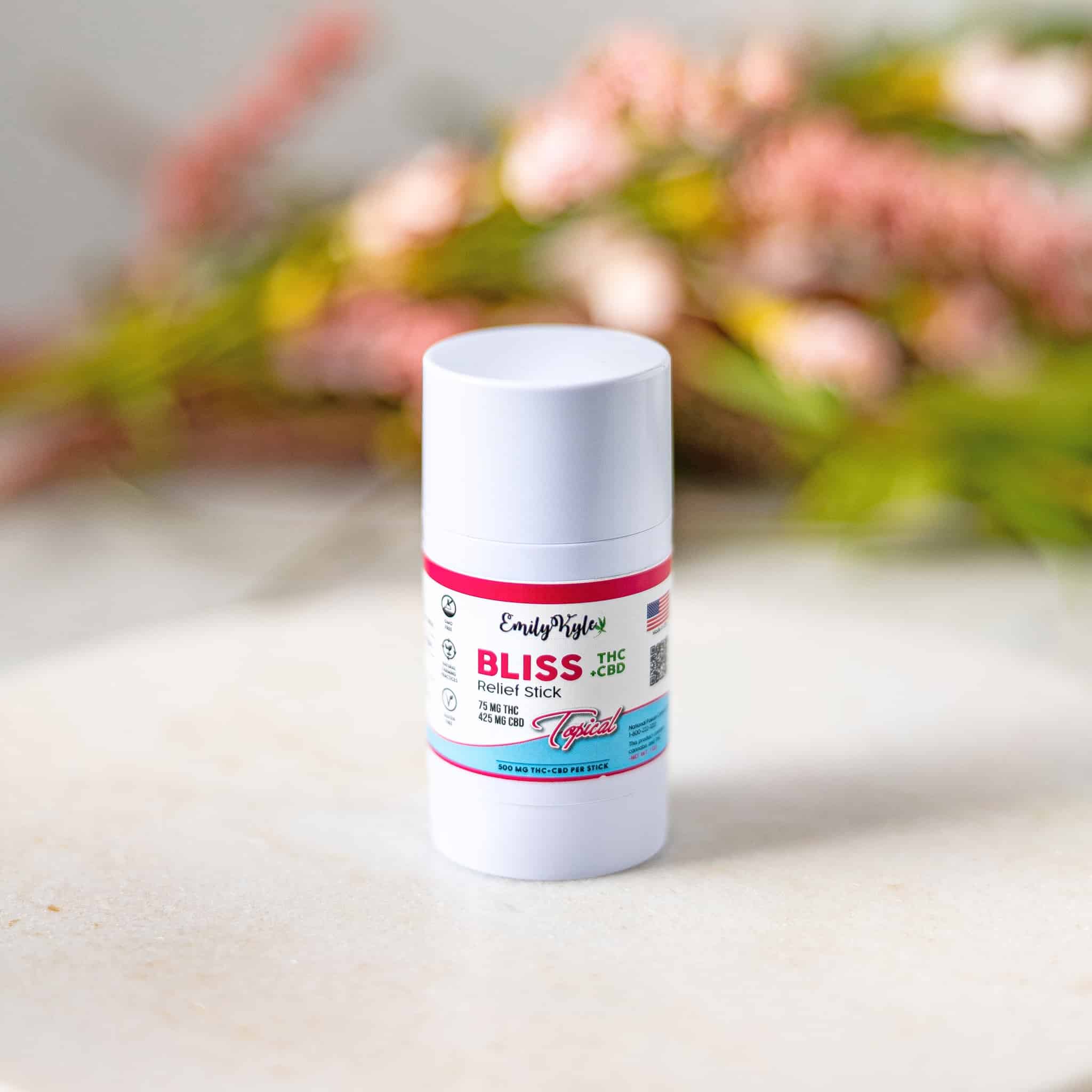
- Want to skip the hard work? Skip the lengthy infusion process, order my high-quality cannabis topical products, and have them delivered directly to your door!
Why You Will Love This Recipe
When I first started exploring the benefits of cannabis, I focused largely on edibles. While I loved the idea of using cannabis to manage stress and promote overall wellness, I began to wonder if there were alternative ways to experience the plant’s healing properties without ingestion.
That curiosity led me to explore topicals, and the result was a game-changer!
The first time I used cannabis massage oil was after a particularly long day, when I felt both physically and mentally drained. The soothing sensation and relief I experienced after applying the oil to sore muscles made me realize just how powerful cannabis topicals can be.
Now, it’s an integral part of my routine, and I can’t recommend it enough to anyone looking to experience cannabis in a new way.
Cannabis Infused-Massage Oil
Ingredients
- 7 grams decarbed cannabis flower
- ½ cup dried lavender flowers
- ¼ cup dried calendula flowers
- ¼ cup dried mint
- 2 teaspoons dried whole cloves
- 8 ounces carrier oil see options below
Instructions
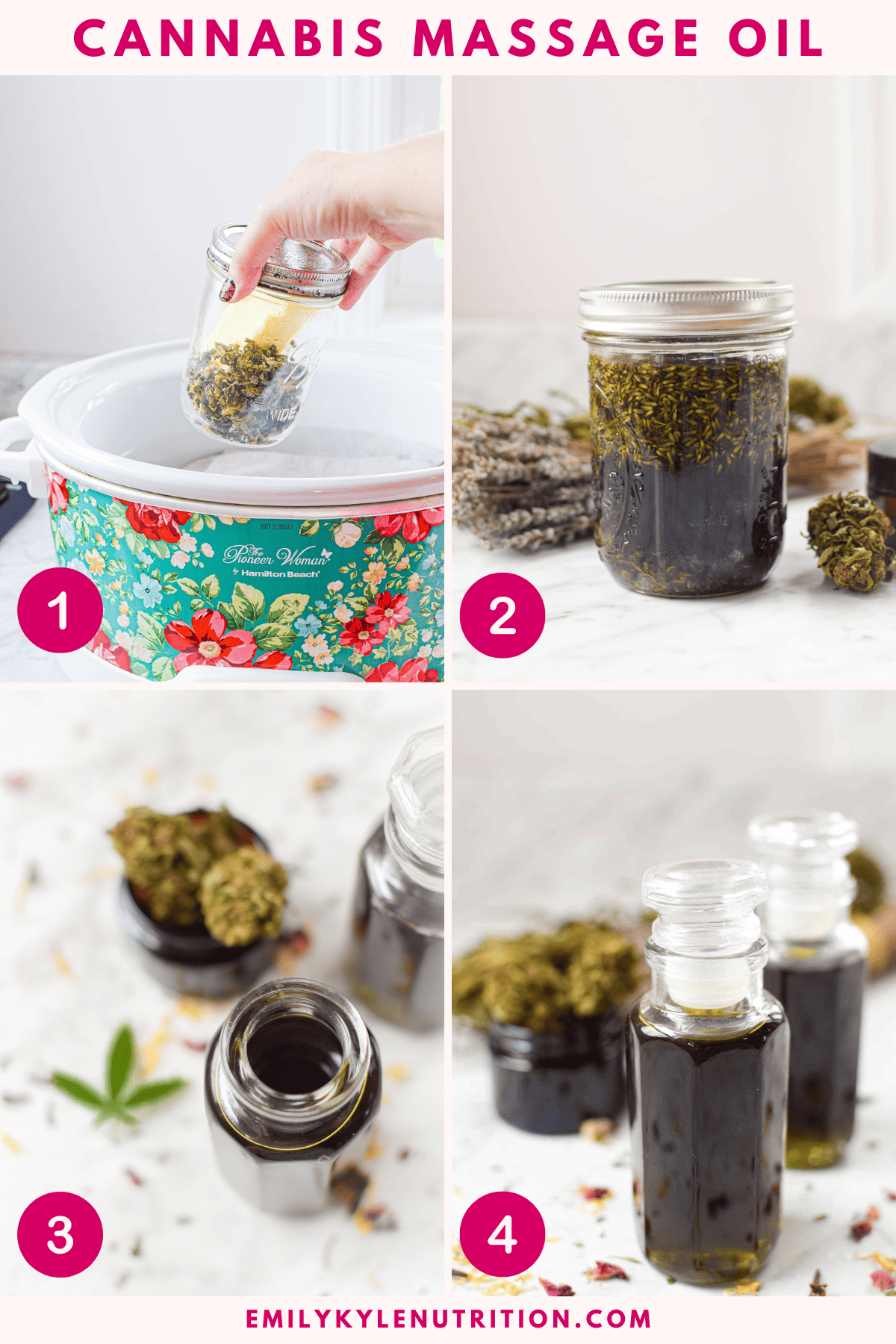
- Preheat a water bath to 185° F. Various water bath techniques are explained in the notes section below.
- In a 16-ounce mason jar, combine all of the dry ingredients: decarbed cannabis, dried herbs and spices. Then pour in the carrier oil. Wipe the rim of the jar to ensure it is clean and tighten the lid to fingertip tightness. You do not want it to be too loose or too tight.
- Place the mason jar into the water bath and cook for 4 hours.
- After 4 hours, remove the jar and allow to cool enough to handle. Strain the oil into a clean mason jar through a filter or cheesecloth.
- Let the oil cool to room temperature, seal the mason jar, and store in a cool dark place until ready for use.
Notes
- Temperature Control: The water bath does not need to stat perfectly at 185° F the entire time. Any temperature between 180°-190°F is OK.
- Floating Jars: Sometimes the mason jar will float when placed in the water bath. This is no need for concern, simply put something heat and water safe over the top of the jar to weigh it down, a clean rock works well.
- Make sure the cannabis flower is decarbed prior to adding it to this recipe or you may not experience the activated effects of CBD or THC.
- If you are using an Immersion Cooker or Sous Vide Cooker, fill a vessel deep enough to hold a 1-quart mason jar with an inch of water above lid with hot water. Preheat the water to 185° F.
- If you are using a Crock-Pot or Instant Pot for your water bath, fill the cooking vessel with enough hot water to cover the mason jar with an inch of water above the lid.
- If using an Instant Pot; set the slow cooker mode to 185°F and preheat.
- If using a Crock-Pot; preheat on high until 185° F is reached, then turn to low, a digital probe thermometer is recommended for Crock-Pot to ensure accurate temperature control.
-
- Olive oil
- Avocado oil
- Grapeseed oil
- Coconut oil
SAVE THIS GUIDE 💌
What You’ll Need
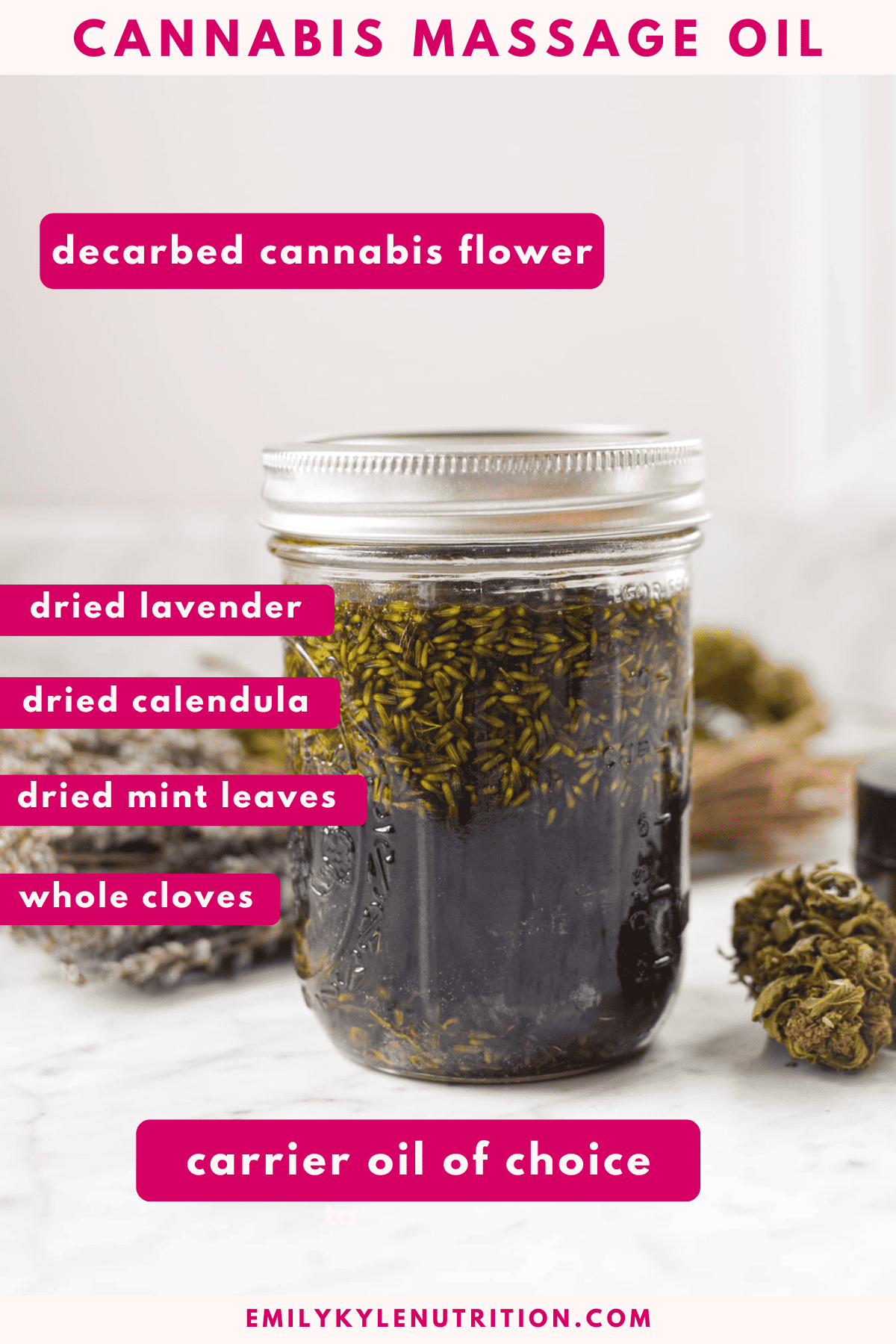
- 7 grams decarbed cannabis flower – For this to be the active ingredient in this recipe, you will want to decarboxylate first. You can choose from THC flower, CBD flower, or CBG flower, depending on your needs. You can also find an option from the alternate infusion section below.
- Additional dried flowers – In this recipe, I use ½ cups dried lavender, ¼ cups dried calendula, ¼ dried cup mint, and 2 whole cloves. You can customize this recipe to include any healing herbs you desire.
- 8 ounces of carrier oil – your choice. See the many options listed below.
The following oils can be used as carrier oils in this recipe:
- MCT oil
- Coconut oil
- Olive oil
- Hemp seed oil
- Jojoba oil
- Sweet almond oil
- Apricot seed oil
- Avocado oil
Step-by-Step Instructions
- Decarboxylate Your Cannabis – To activate the beneficial cannabinoids in your cannabis flower, start by decarboxylating it. Preheat your oven to 240°F, break your cannabis into small pieces, and bake for about 40 minutes. This step ensures you’re unlocking the plant’s full potential.
- Infuse the Oil – Combine your carrier oil and decarboxylated cannabis in a double boiler or slow cooker. Maintain a low temperature (ideally 160-180°F) to prevent burning, and infuse the oil for approximately 2-4 hours. Strain the mixture through a fine mesh or cheesecloth to remove plant material.
- Customize (Optional) – If you’d like, add a few drops of essential oils for extra therapeutic benefits. Mix well before transferring the oil to a clean, glass container for storage.
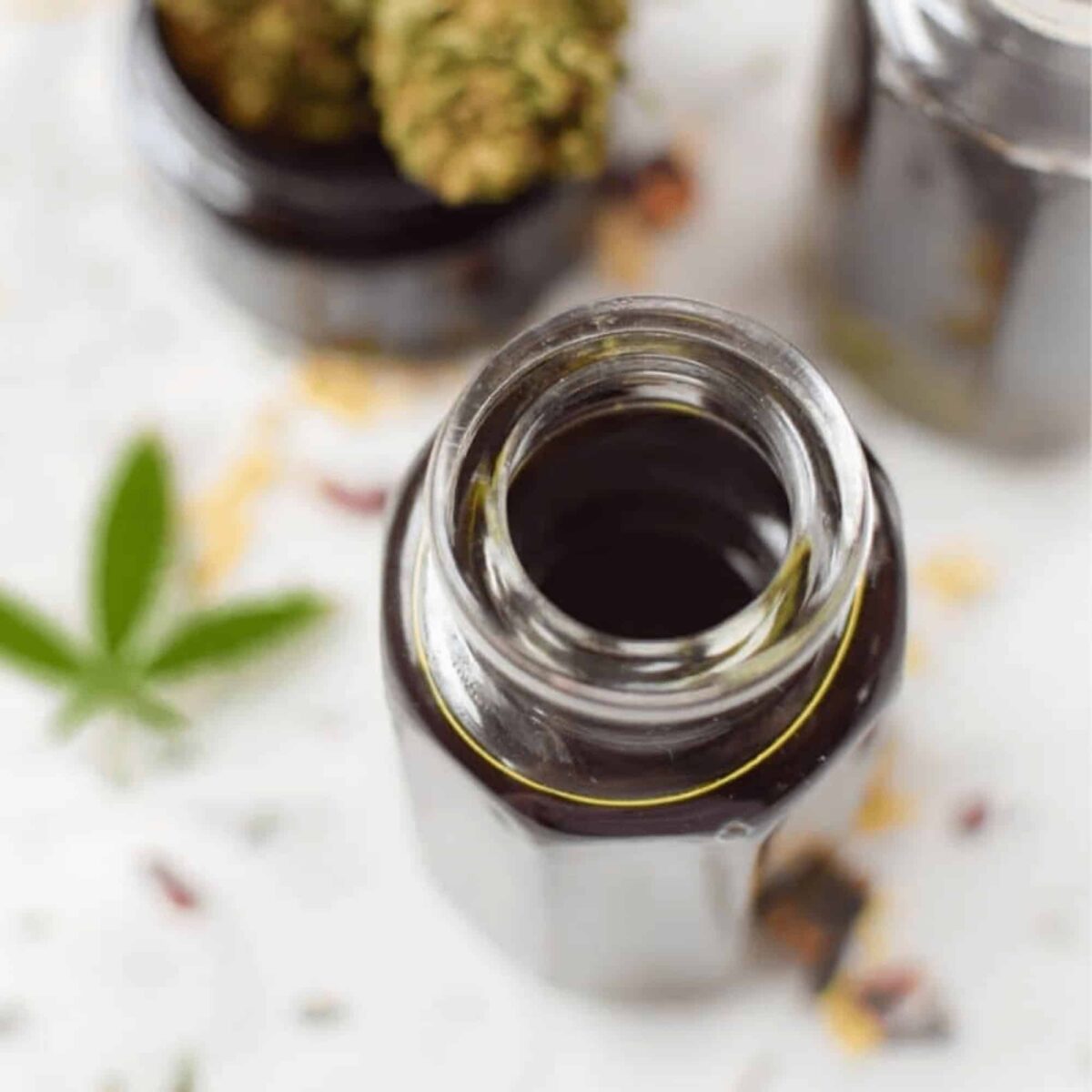
- Store Properly – The shelf life of this cannabis oil will depend on how you made it and the other ingredients you added. Store the oil in a dark bottle, like an amber dropper bottle, in a cool, dark, dry place. When stored properly, these oils can last a long time, several months or more.
How to Use Cannabis Massage Oil
Gently warm the oil in your hands before applying it to the skin. You can use it as part of a therapeutic massage, on sore muscles, or even on the temples to reduce stress. For a self-care upgrade, I enjoy using it after a bath or shower, when my muscles are relaxed and ready to absorb the benefits.
Key Ingredients
This recipe uses a blend of natural, skin-loving ingredients that work well with cannabis to enhance its benefits. Here’s what makes it so effective:
- Cannabis Flower or Concentrates: The star of the show! Decarboxylating the cannabis flower or using pre-activated concentrates (like cannabis oils) ensures you’re accessing cannabinoids like THC and CBD, which provide relief and relaxation.
- Carrier Oil: My go-to is MCT oil because it’s light, absorbs well into the skin, and has a long shelf life. Other great options include jojoba oil, sweet almond oil, or grapeseed oil.
- Essential Oils (Optional): Adding lavender, eucalyptus, or peppermint essential oils can personalize your massage oil while offering added relaxation or a refreshing scent. These are great to add if you are not infusing other dried botanicals.
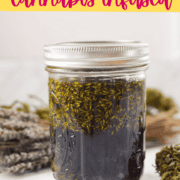
🌿 For the recipe below, I infused the oil with dried cannabis flower buds and other medicinal herbs. You can easily customize the dried herbs you want to use, depending on the experience you’re looking for.
Alternate Infusion Options
Don’t forget, you can also decide whether you want a CBD massage oil or a THC massage oil based on what flower or product you start with.
You can make your own CBD massage oil using CBD flower, or a THC massage oil using traditional cannabis flower. I will go over all of the possible infusion options below.
Flower
If you have access to stems, leaves, trim, or other forms of cannabis flower, they are perfect for this recipe. You can also use kief to make a super potent massage oil or already vaped bud for a less potent massage oil.
To use leaves, trim, or flowers, follow the oil infusion procedure below.
Store-Bought Oils
One of the easiest ways to make homemade topical products is to use store-bought oil, such as full-spectrum CBD oil or THC oil.
It is very easy to mix store-bought oil with traditional massage oil or another carrier oil of choice, and it is a great way to control the mg of CBD or THC added.
To make your own massage oil with store-bought oil you already have, follow the recipe as is, minus the cannabis flower, and add the CBD product at the end of the infusion process.
Concentrates
If you live in a recreationally legal state or have a medical card, you can easily obtain cannabis concentrates from the dispensary.
It is also popular to make FECO/RSO, a powerful concentrate, at home. Adding a concentrate to this recipe is very easy; all you need to do is combine the concentrate with the carrier oil of choice.
Note: you may need to warm your oil slightly to get them to combine.
Benefits of THC or CBD Massage Oil
Infused massage oil combines the therapeutic effects of massage with the targeted benefits of cannabis. Here are some of the best advantages I’ve heard from my Well With Cannabis Community, backed by what we know about cannabis topicals:
1. Localized Pain Relief
Unlike edibles, which impact the whole body, cannabis massage oil allows you to target problem areas directly, especially for pain relief.
Applying the oil to sore spots, such as my neck and shoulders after a long day, brings almost immediate relief without any intoxicating effects, thanks to the way topicals work externally.
2. Reduced Stress & Anxiety
Who doesn’t love a relaxing massage? Combined with the soothing properties of cannabis, this practice has become one of my favorite ways to unwind.
Massage oil infused with cannabis can enhance relaxation and reduce tension, creating a holistic method to alleviate stress.
3. Boosts Skin Health
Cannabis isn’t just about pain relief and relaxation, it’s also packed with antioxidants that promote healthy skin. Paired with nourishing carrier oils, this massage oil can help moisturize and rejuvenate your skin, leaving it feeling silky smooth.
4. Non-Intoxicating Option
Many people are hesitant to explore cannabis due to concerns about intoxicating effects. Cannabis massage oil provides all the wellness benefits of cannabis without any “high,” making it a perfect option for beginners or those who want to avoid intoxicating effects.
SAVE THIS GUIDE 💌
Notes & Expert Tips
- If you want to skip the floral infusion option, add your favorite blend of essential oils to the carrier oil.
- Ask your massage therapist if they can add CBD to your massage experience.
- Adding vitamin E oil is the perfect way to get additional anti-inflammatory properties.
- Add some of the homemade oil to hot towels and wrap them around your hands and feet for ultimate relaxation.
Will Cannabis Massage Oil Get Me High?
Putting cannabis on the skin is a great way to use cannabis for the first time because it does not induce an intoxicating ‘high’ like inhaling or edibles.
However, it can provide relief from various conditions by interacting with the cannabinoid receptors found within the endocannabinoid system.
A CBD oil massage or any topical CBD product will not get you or your massage clients ‘high’ or cause any intoxicating effects.
THC oil is rarely applied directly to the skin to induce any intoxicating effects. This is because cannabinoids cannot penetrate the skin deep enough to pass through the tough outer layer of the skin to reach the bloodstream.
Additionally, a case report published in Forensic Science International reports that it is not believed that topically applied cannabinoids like THC will show up in the bloodstream or urine for a drug test.
You can learn more about how cannabis topicals work here.
Frequently Asked Questions
One of the best things about topicals is that they’re generally safe and well-tolerated. However, it’s always wise to do a patch test to ensure you’re not sensitive to any of the ingredients. If you’re using THC-infused oil, remember that, in rare cases, high doses may still have minimal psychoactive effects, but this is uncommon.
You will want to add your desired mg of CBD or THC, depending on your tolerance.
Yes! You can add this massage oil to your daily routine in many ways, from a simple temple massage to a full-blown deep tissue massage.
Final Thoughts
Cannabis massage oil has transformed not only how I approach self-care but also how I share the many benefits of cannabis with others.
Whether you’re a beginner or seasoned cannabis user, making and using massage oil is a simple, approachable way to unlock the plant’s potential for relaxation, relief, and wellness.
I hope you enjoy experimenting with this recipe as much as I do. Your cannabis wellness journey starts here!
More Topicals You Will Love
Shop with Emily
Shop Now: Relief Stick
Cannabis Topicals
Easy Homemade Cannabis Salve Recipe
Cannabis Topicals
How to Make Cannabis-Infused Lip Balm
Cannabis Topicals










I would like to make an intimate oil , I have purchased previously . Will the coconut oil recipe work? I think it will. Any suggestions, What are your thoughts
Thank you
This is a great idea, I will need to publish my own recipe! Yes, the coconut oil recipe will work perfectly 🙂
Before I make my first batch of CBD massage oil I have a question about potency. Usually im going for potency the mct oils I make for edibles. How does potency of the massage oil come into play since there isn’t any high feeling.
Great question, Nick! While you won’t get a “high” from massage oil, potency still matters for effectiveness. Higher potency can provide stronger relief for sore muscles and inflammation, where low potency is great for general daily use, so it depends on your desired results. Additionally, it’s important to consider other ingredients that can also contribute to its effectiveness. For example, lavender essential oil is known for its calming and soothing properties which can enhance the relaxation experience during a massage. Hope this helps!
Could I use dehydrator set at 185 for this?
Hey Erin! I haven’t tried this myself, but I don’t see why it wouldn’t work. Let us know if you give it a try and what the results are 😀
I’m a massage therapist, and I wanted to have some infused oil for my clients (and myself when I get them). Most oils, even coconut, can get a little too slick for my work, so I used 2oz of jojoba oil for its skin benefits and 6oz cocoa butter, so I get decent glide with enough friction for myofascial work. I added 2Tbsp peppermint leaves (for inflammation), a 1/2 cinnamon stick (muscle spasticity), and 5 drops lavender EO (soothing).
If you’re looking for something less slick, using a butter in place of oil can help. All that said, I love this recipe! It makes such a difference for my chronic pain clients.
Hi Mel. Thank you for sharing this wonderful recipe! The thoughtful combination of ingredients sounds incredibly beneficial for both relaxation and therapeutic purposes. We’re glad you’re loving this recipe and appreciate you sharing yours.
Can I use the Ardent FX for this?
Hi Yolanda. You can definitely use the Ardent FX for this recipe. It’s actually one of my favorite kitchen gadgets because it allows me to infuse oils and butters with cannabis for all sorts of recipes! Let us know if you have any questions along the way! Happy infusing!
Hi can I use hemp seed oil as my carrier for massage oil?
Hi Paula. Hemp Seed Oil is an excellent choice, but you’ll want it refined so it’s colorless. Cold pressed, unrefined hemp seed oil varies in shades of green, which is often undesirable.
If I want to use essential oils to also add, hoping to relief pain even better what kind would help for chronic pain?
Hi Paula. Peppermint oil is hands down the best for chronic pain, especially since it helps reduce inflammation. Combining oils offers even more relief. Eucalyptus, Frankincense, Juniper Berry, Lavender and Rosemary are all excellent choices.
Hi there, can anything be done with the left over AVB or is it given all it can now that its been vaped and Infused 🙂 Thanks so much
Hi Tania. It is thought that already vaped bud can contain upwards of 10-30% of any remaining cannabinoids, so that makes it well worth saving and using for edibles. If you have already used your vaped bud for infusions, there likely isn’t anything left so you can toss that. I hope this helps!
Hi, what can I substitute with calendula flowers as I don’t have access to them in Asia.
Thanks so much in advance.
Hi Dee. A different herb with similar soothing and healing properties like chamomile or comfrey would be best. I hope this helps!
can this be made with just a concentrate like an isolate or distillate & if so, is it the same process?!
Hello Mikia! Yes, you can use a concentrate or isolate. You can skip the 4-hour infusion process and simply mix your concentrate or isolate with the oil until it is well combined, and then follow the recipe as normal 🙂 I hope this helps!
Hi Em,
I used your method today, it was my first time making a topical. I did a double batch using 2 cups of grape-seed cold pressed oil 7 Grams of THC Flower at 29.8% and 7 grams of CBD Flower at about 20%. I added Vitamin E oil and a few of my favorite E.O’s during the bottling process, I strained and then re bottled into 4 oz amber bottles for long term storage. I have already applied and have experienced great releif already and I just know after it sits for 24-48 hours it will only get better.. I did lose a little of my yield with what the cheesecloth absorbs and accidentally spilling a bottle but still have about 14oz of usable product. THANKS FOR SHARING!
Hey Jennifer! Thank you so much for sharing your process with us, it sounds amazing. So excited to hear you’ve already gotten relief 😀
Most excellent for lupus
I am so glad to hear this, Kat! Thank you!