

Have you ever looked closely at a cannabis bud and wondered what all those tiny, sparkly crystals are? Or maybe you’re standing in your garden with a magnifier, trying to figure out if it’s time to harvest. Those crystals are called trichomes, and they’re the reason your plant smells, tastes, and works the way it does. In this guide, I’ll show you what they are, how to read them, and how to get every last one into your homemade edibles, oils, and tinctures.
Table of Contents
Article Features
- Why trichomes are the most essential part of the plant
- Where trichomes are on the plant and how to read their colors (start with my When to Harvest guide)
- Want to skip the hard work? Shop with me and have premium, high-quality cannabis products delivered directly to your door! Now shipping across the US.
Why You’ll Love This Guide
Trichomes are tiny, but they do the heavy lifting. They are the sparkly little glands where your cannabis plant makes its cannabinoids and terpenes.
So why are they such a big deal? Because trichomes shape your whole experience with the plant. They hold the cannabinoids that interact with your endocannabinoid system, and they are the reason different strains can vary so much in strength, aroma, and flavor.
I’m Emily, a Registered Dietitian and Holistic Cannabis Practitioner, and I’ve been growing my own plants for years. I look at trichomes two ways: as a gardener deciding when to harvest, and as a cook who wants to get every bit of goodness into her kitchen.
In this guide, we’ll cover what trichomes are, the three main types, how to read their colors, and how to get them from your plant into homemade edibles, topicals, and more.
Ready to harvest? My step-by-step guide on when to harvest cannabis shows you exactly where to look and what to do with what you see. This post is the deeper dive into the science behind it.
🎥 Watch the Video
Prefer watching a video? I encourage you to watch the full video for a more in-depth exploration and some close up views.
What Are Trichomes?
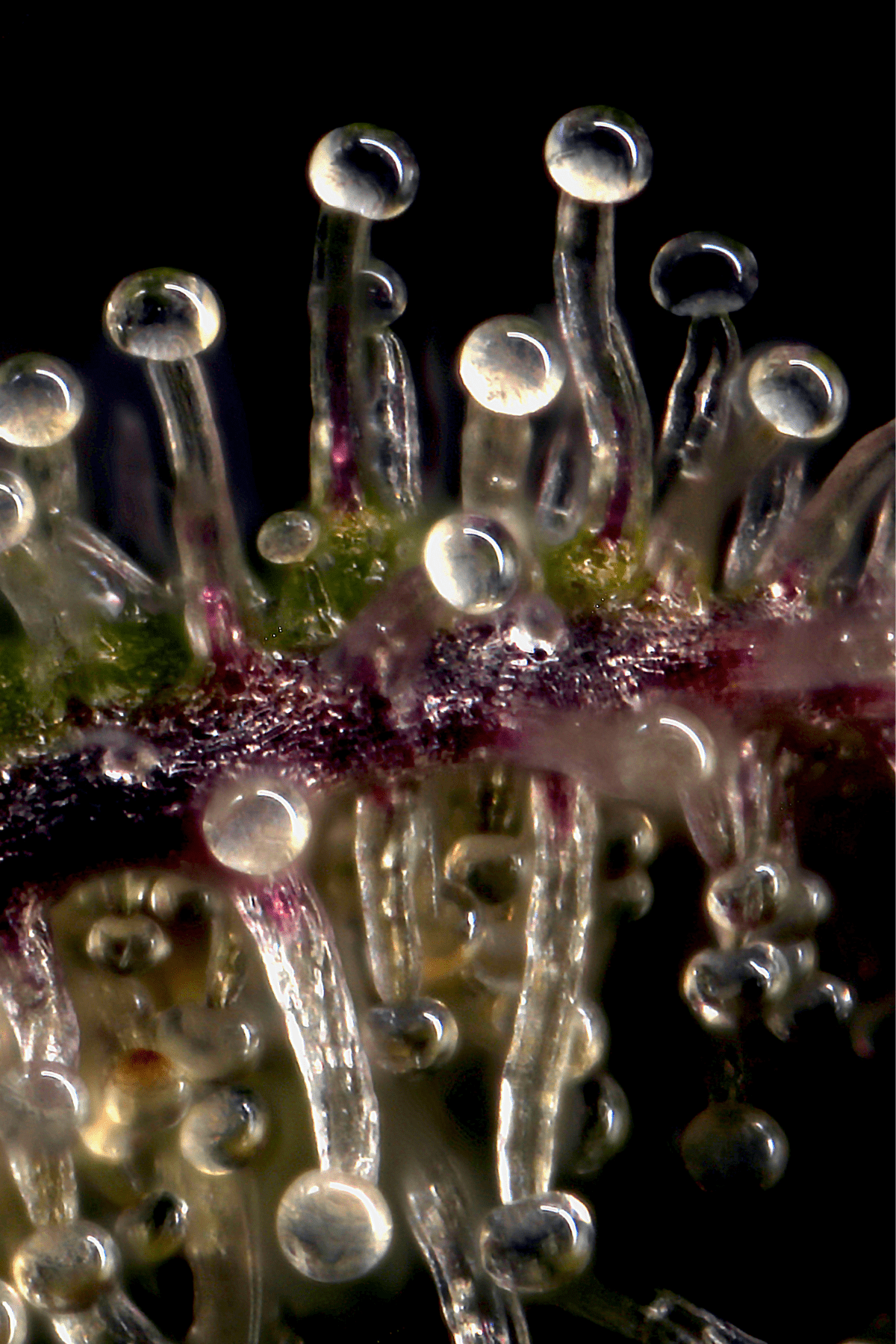
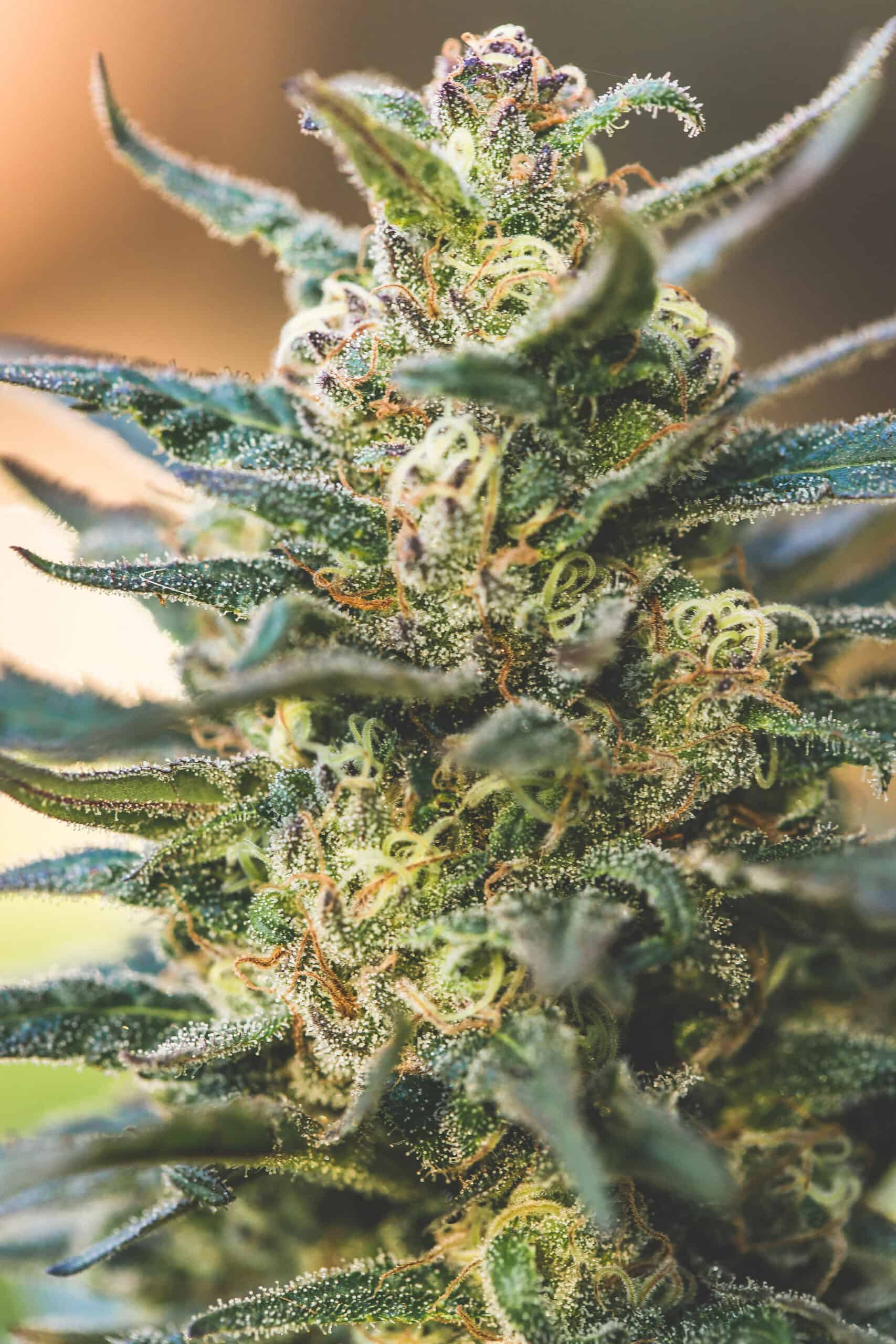
Cannabis trichomes are tiny, sticky, crystal-like glands found on the leaves and buds of the plant. If you’ve ever seen a bud sparkle in the sun, that’s them.
The word trichome comes from a Greek word meaning “hair,” which fits, since they look like tiny hairs with little heads on top.
Inside these glands are cannabinoids and terpenes, the compounds that give your plant its aroma, flavor, and potential wellness benefits.
Terpenes are the aromatic compounds behind that strong cannabis smell, and they have their own potential health benefits.
Together, cannabinoids and terpenes shape the plant’s taste, smell, and effects, and they work as a team in what’s known as the Entourage Effect.
Trichomes can be found all over the plant, but they’re packed most densely on the flowers (the bracts and calyxes), the small sugar leaves, and the little stems.
You’ll find far fewer on fan leaves, roots, and stalks. That doesn’t mean those parts are useless, and I’ll share why in a moment.
Trichome Life Cycle
Trichomes usually aren’t present during the vegetative stage, or for the first half of the plant’s life.
Around the middle of the season, you may start to see tiny resin glands appearing near the flower buds.
Once the plant starts flowering, female cannabis plants ramp up their trichome production.
As it gets closer to harvest time, trichomes cover nearly the whole surface of the buds.
Trichomes are the plant’s natural defense system, but for growers, they are where most of the good stuff is stored.
Just keep in mind that trichome production varies from plant to plant depending on genetics and growing conditions.
Poor growing conditions can stress the plant and slow trichome production during flowering.
Why They Are Important
For most of us, trichomes are the most important part of the plant because they are responsible for producing the medicine: cannabinoids and terpenes.
The type and amount of these compounds determine your strain, how strong it is, and the kind of experience you will have.
But here’s my dietitian take: trichomes are the star, not the whole show. I believe in using the whole plant, and nothing goes to waste in my garden. Fan leaves and trim have far fewer trichomes, but they still have a lot to offer nutritionally. Learn about the nutrition benefits of raw cannabis, how to harvest, wash, and prepare fan leaves, how to use your trim in edibles, or make a cannabis bouquet from your trimmings.
Different Types of Trichomes
According to a study published in The Plant Journal, trichomes come in many different shapes and sizes.
Most trichomes can be further divided into two subcategories: glandular and non-glandular.
Glandular trichomes are cell structures that produce different metabolites or, in our case, store cannabinoids.
Non-glandular trichomes do not make cannabinoids. Instead, they help protect the plant from stress.
The three main types of trichomes are:
- Bulbous
- Capitate-Sessile
- Capitate-Stalked
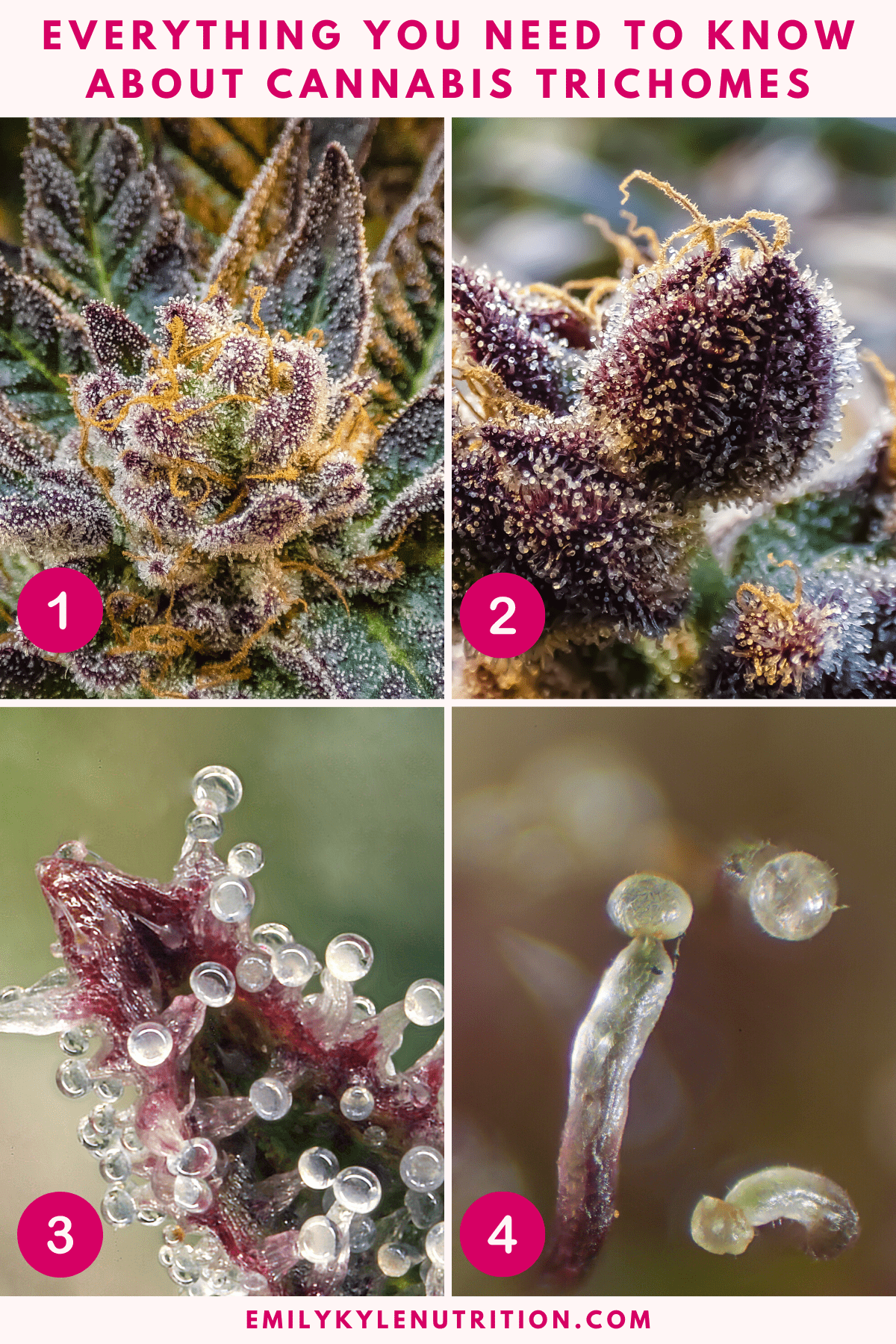
Bulbous Trichomes
These are the smallest trichomes and the most numerous of the three.
Bulbous trichomes are found on the leaves and all over the plant.
Bulbous trichomes are too small to be seen by the naked eye and require a jeweler’s loupe or microscope.
Capitate-Sessile Trichomes
These trichomes are larger than bulbous ones and can be either singular or in pairs on the leaves.
They produce cannabinoid acids such as THCA, CBDA, CBGA (cannabigerolic acid).
These trichomes are often found on the underside of the leaves and reproductive organs of female plants.
Capitate-Stalked Trichomes
These trichomes are large stalked ones and are the largest of the three types.
They can easily be seen with the naked eye and may be the type you’re used to seeing in pictures, like the ones below.
Capitate-stalked trichomes store high amounts of cannabinoids and are found almost exclusively on flowers.
Color of Trichomes
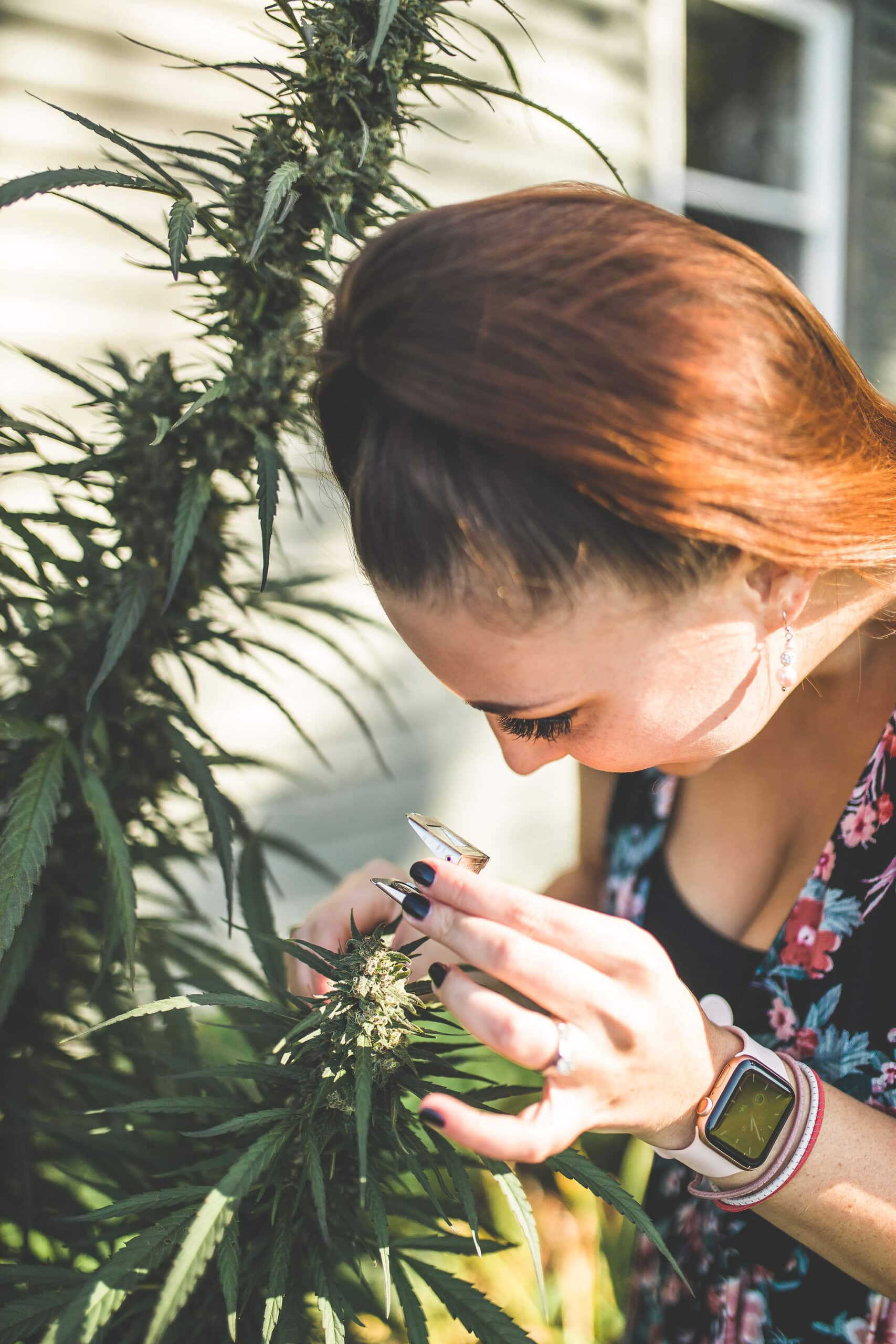
As your plant matures, its trichomes slowly change color, and that color is one of the best clues you have for harvest timing. Using a jeweler’s loupe (about 30x to 60x) or a phone with a macro lens, look closely at the trichomes on your buds, not the sugar leaves, since sugar leaf trichomes often turn amber sooner and can fool you. Every bud has a mix of colors, so you’re looking for the overall picture. Notice whether most of them are:
- Clear: still developing and not ready yet.
- Cloudy: at or near their peak. Many people describe a mostly cloudy harvest as clear-headed and uplifting.
- Amber: aging. Some of the THC begins to break down, and many people find that more amber feels heavier and more relaxing.
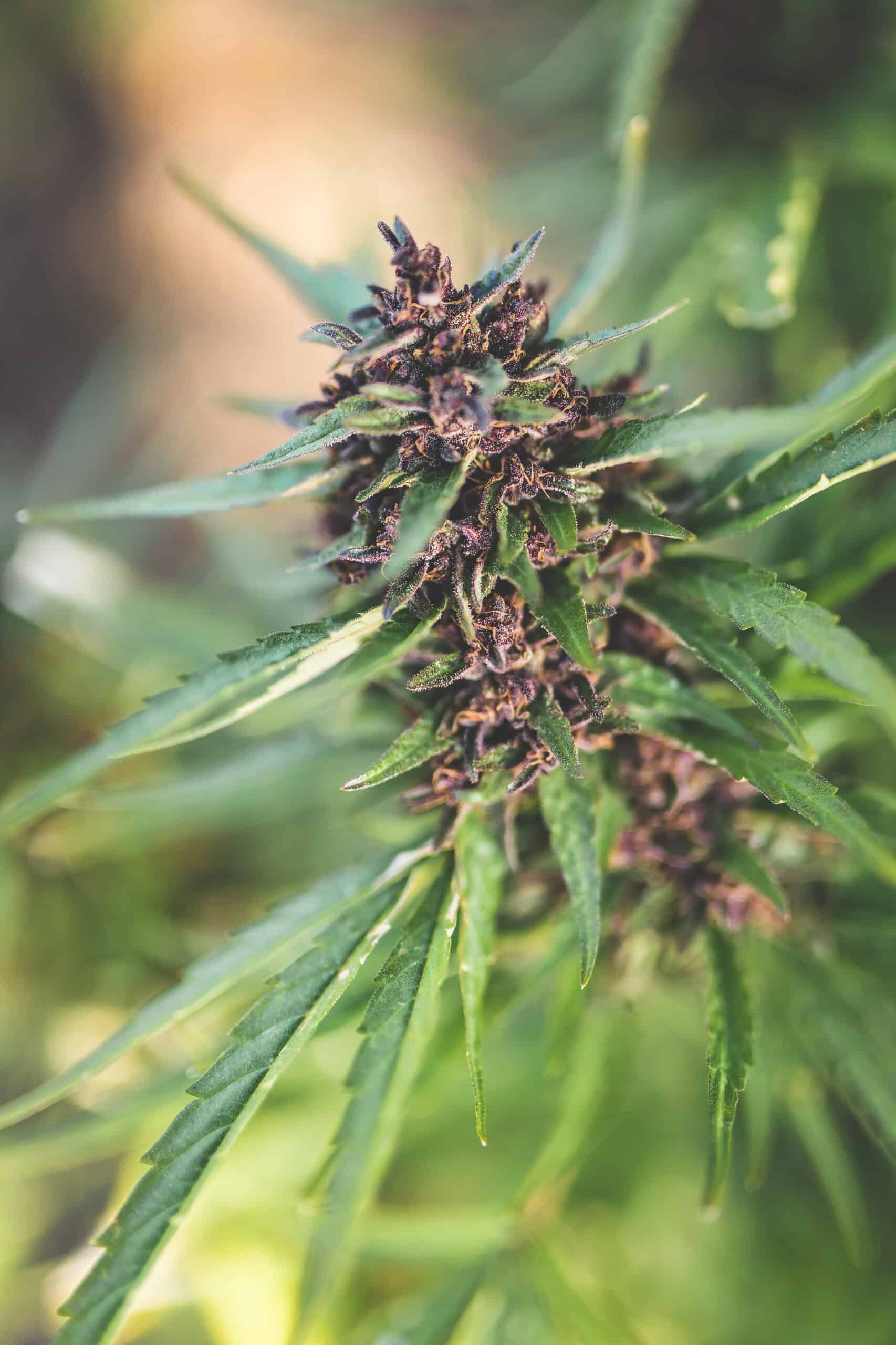
I harvest when my trichomes are mostly cloudy with very little amber, so my harvest stays clear-headed for daytime use. Your ideal timing will depend on your plant and how you want to feel. The research on trichome color and how it feels is still limited, so use color as a guide, notice how your harvest makes you feel, and adjust next year.
Want the full walkthrough? My complete guide on when to harvest cannabis shows you where to look, how to read each color, and how to time your harvest for daytime or evening use. And if rain or cool nights are in the forecast, check your buds closely for bud rot and powdery mildew. Here are my favorite harvest tools to make it easier.
How To Get Trichomes Into Food
The ultimate goal for making homemade edibles is to get the trichomes from the plant into your food.
Many want to do this without introducing excess plant material, like chlorophyll, which can contribute to the unwanted taste and smell some people experience.
SAVE THIS GUIDE 💌
There are three prominent ways to get trichomes into food:
- Add straight decarbed cannabis flower or kief to food.
- Infuse the cannabis into a fat, effectively extracting the trichomes off the plant matter and into the oil.
- Extract the trichomes from the cannabis plant using a solvent, like high-proof alcohol.
We’ll walk through each option below so you can choose what fits your taste and your kitchen. Whichever you pick, start with flower that has been properly dried and cured, and toss anything with signs of mold.
Add Decarbed Flower To Food
The simplest way to get trichomes into your food is to add just plain, ground, decarbed cannabis flower or decarbed kief directly to the food you’re consuming.
With this method, there is no loss of trichomes or potency during the infusion or extraction process.
However, it’s important to note that you will be dealing with the taste and texture of cannabis with this method.
I know that seems like an obvious no-brainer, but many people do not like the taste of cannabis.
If that is you, you will be better off skipping this method and looking toward an infusion or extraction option.
But if you don’t mind the taste of cannabis and are looking for a quicker and easier way to make edibles, adding decarbed flowers to your recipe may be the perfect solution.
As for texture, I recommend you grind your flower as fine as possible for the best possible outcome; a coffee grinder works great.
This creates a fine cannabis powder that can be added to almost any recipe, similar to how we use onion powder or ground oregano when cooking.
Just remember not to confuse this cannabis powder with cannabis oil powder.
Fat Infusions
One of the most popular ways to get trichomes into food is through an infusion of fat.
An infusion is made by first decarbing the flower in an oven or Instant Pot, then warming the decarbed flower with some type of fat, like oil or butter.
This process works well because cannabinoids are lipophilic, meaning they are attracted to fat molecules.
After a few hours of infusing, the plant material can be strained and separated from the oil, leaving you with an infused oil.
This method will still leave some trichomes in the remaining material.
The final infusion can then be used in food and recipes, as it has all of the beneficial parts of the cannabis inside.
Infusions To Try
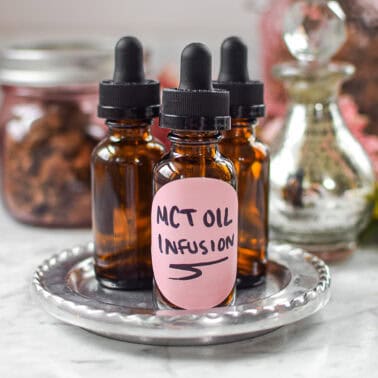
All Things Cannabis Oil
Easy Cannabis-Infused MCT Oil
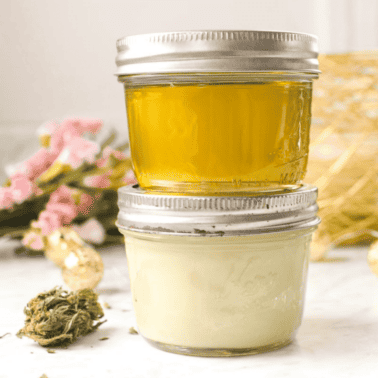
Cannabis Infusions & Extractions
Easy Cannabis Coconut Oil Recipe
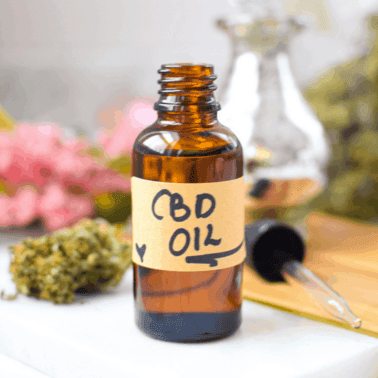
Cannabis Infusions & Extractions
Easy Homemade CBD Oil Recipe
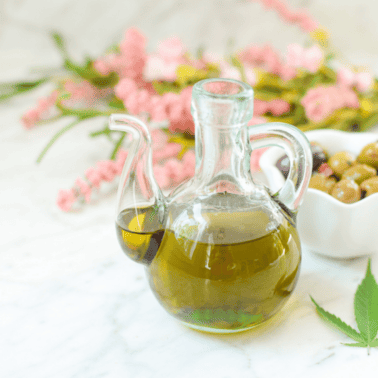
All Things Cannabis Oil
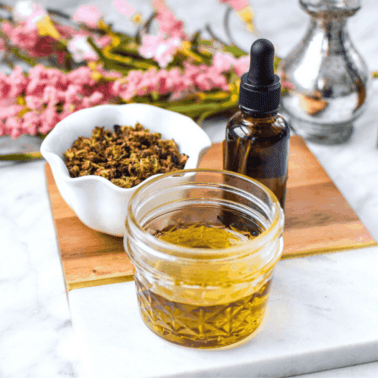
How to Make Cannabis Olive Oil
Cannabis Infusions & Extractions
How to Make AVB Edibles with Already Vaped Bud
Cannabis Infusions & Extractions
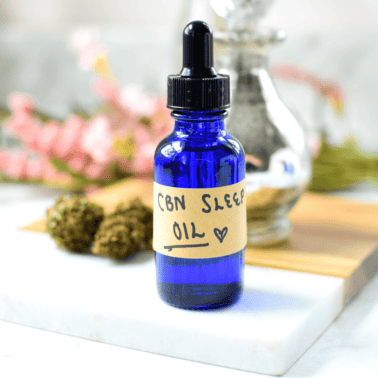
How to Make CBN Oil for Sleep
Alcohol Extraction
Extraction uses a solvent, like high-proof grain alcohol, to strip the trichomes from the plant material.
This process leaves the cannabinoids and terpenes suspended inside the alcohol.
Many people then evaporate some or all of the alcohol to produce full-extract cannabis oil.
While extractions can produce a more potent end product, you must consider safety precautions before working with solvents.
High-proof grain alcohol is extremely flammable and requires safe evaporation methods.
The final extraction can then be used in food and recipes, as it has all of the beneficial parts of the cannabis inside. Extractions can be strong, so start low and go slow and use my edible dosage calculator to plan your dose.
Extractions to Try
Cannabis Infusions & Extractions
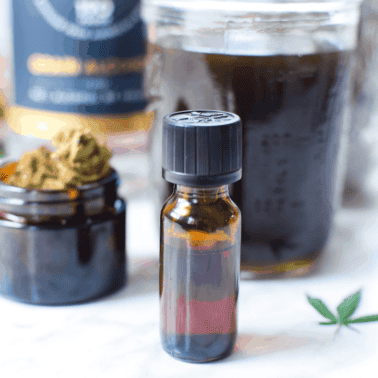
Easy Green Dragon Recipe » Cannabis Alcohol Tincture
Cannabis Infusions & Extractions
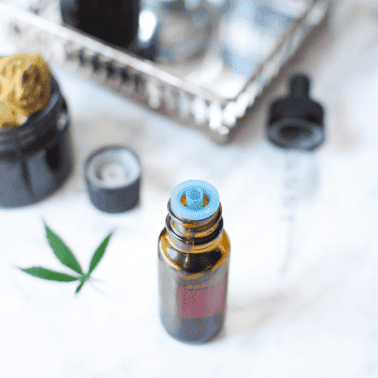
Golden Dragon QWET Cannabis Freezer Tincture
Cannabis Infusions & Extractions
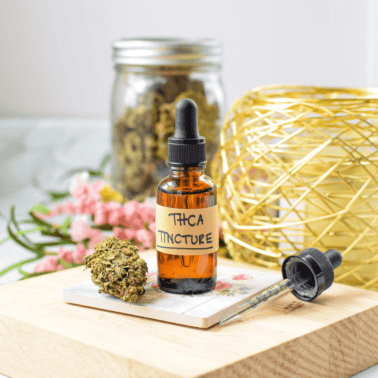
How to Make a THCA Tincture
Cannabis Infusions & Extractions
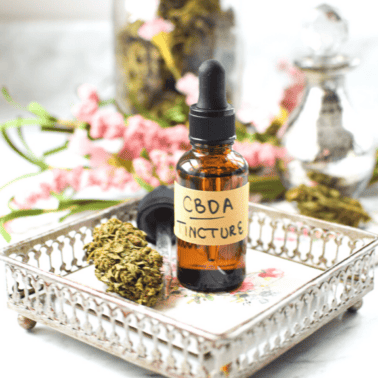
How to Make a CBDA Tincture
Cannabis Infusions & Extractions
Cannabis Roots: Benefits, Uses & Tincture Recipe
Frequently Asked Questions
You can see the larger trichomes with your naked eye, but a jeweler’s loupe (about 30x to 60x magnification) is the best way to look closely and read their colors. A clip-on macro lens for your phone works too. They’re inexpensive, and you’ll find more ideas in my harvest tools list.
It depends on how you want to feel. I harvest when my trichomes are mostly cloudy with very little amber, which gives me a clear-headed harvest for daytime use. Check the trichomes on your buds, not the sugar leaves, and see my When to Harvest guide for the full walkthrough.
It depends on the cannabinoids in the plant. Growing plants mostly hold cannabinoid acids like THCA and CBDA, which are not intoxicating on their own. THCA turns into THC when it is heated, a process called decarboxylation. So the trichomes on a living plant won’t get you high, but once they’re decarbed, plants with higher THC content can be psychoactive.
In most cases, no, physical contact with trichomes, such as touching the plant’s leaves or the surface of cannabis flowers, will not cause an intoxicating high. This is why growing cannabis plant’s are not dangerous to children.
Start with my beginner’s guide to growing cannabis at home, then find quality genetics with my guide to where to buy cannabis seeds online.
They do, but far fewer than the buds and sugar leaves, so they are much milder. They’re still worth using for their nutrition. Here’s how to harvest, wash, and prepare fan leaves.
Conclusion
Despite their small size, trichomes are one of the most important parts of the cannabis plant.
They shape your whole experience because they hold the cannabinoids and terpenes behind your plant’s aroma, flavor, and wellness benefits.
You can use infusions and extractions to get trichomes into homemade tinctures and cannabutter. And if you’re growing your own, my When to Harvest guide will help you time your harvest with confidence.
I hope this guide helps you feel more confident about what is happening on your plant, and in your kitchen!
If you’re ready to take your education to the next level, check out my Edibles Made Easy Online Course.
More Articles You Will Love
Articles & How-To Guides
Meet the Female Cannabis Plant: Her Parts + Uses

Articles & How-To Guides
How To Use Trim To Make Edibles, Cannabutter, and More
Articles & How-To Guides
How to Use Cannabis Fan Leaves in Edibles
Harvesting Cannabis










Hi, can I used the dried fan leaves 🍃 to make tea 🍵? Thanks 🪴
Hi Sharon. Yes, you can use dried cannabis fan leaves to make cannabis tea! The leaves contain lower levels of cannabinoids compared to the buds, but they still have valuable compounds that can be infused into the tea. Steeping the dried leaves in hot water can help release these compounds and provide potential health benefits. Here’s a guide with more ways to make cannabis tea: 9 Ways To Make Cannabis Tea Enjoy your homemade cannabis tea!
As a long time weed consumer and ex tobacco smoker , my lungs do not like inhaling any kind of smoke these days.
Id like to make FECO, (for edibles) but don’t want to waste my homegrown as I live in a prohibition state and my flower is a precious commodity.
Where would I find your foolproof recipe?
I’m also interested in buying some of your premium canna butter for the same purpose.
Thanks for all you do!
Hi John! Here’s Emily’s step-by-step instructions to guide you through the process of making FECO: How to Make Full-Extract Cannabis Oil (FECO). As for purchasing premium cannabutter, you can find that here: Bliss Cannabutter. I hope this helps you get started on your FECO journey!
Great article Emily!! I’m still rather new to making budder and other edibles – and now I have plants too (babies!) I just wanted to say, my “plug” gives me big bags of compressed trim (he’s a grower) and I make budder with it in my crockpot. I decarb and then cook a minimum of 5-6 hours. You do get a buzz but I’m looking more for health benefits. So anyway, out of curiosity I started saving the sludgy leftovers after I strain the budder in my fridge. Then last week I made budder with that stuff but it cooked all night! And it’s great! Dark as hell but it’s working lol! (I use for pain control.) Talk about recycling!! So make sure people know to save the stuff they use for budder to reuse again!!
And thank you for all the great articles.
Carole
Hi Carole. Thank you so much for your kind words! We’re so happy to hear that you found this article helpful. It sounds like you’re doing a great job with your edibles, and I love that you’re experimenting and finding ways to reuse your leftover materials. Thanks again for your support and all the best with your edible endeavors!
Very Nice.
Hi Gregg. Thank you for your feedback and continued support. Happy Growing!
Hi Emily,
Great information. As a medical home grower, I would appreciate a grow guide maybe hosted by a small grow expert. I enjoy your site, as it relies on science, information on basics like soil, light, nutrients, harvesting, drying, and curing.
Thanks,
Frank
Hi Frank. We appreciate your feedback and your interest in a comprehensive grow guide. We’re always looking to provide useful, scientifically-backed information to our readers. Your journey as a medical home grower is important to us. We will keep this suggestion in mind!
Love Love hearing from you …. quite a busy life i have, so i try very hard to read every email ….. thank you
Hi Ruby. We appreciate you taking the time out of your busy schedule to read our emails. It’s wonderful to know that you find value in them. Thank you for being a part of our community!
You are so smart and easy to learn from and adorable!! You look in great health! Xo
Hi Amy. Thank you so much for your kind words! It’s comments like these that make our day and inspire us to create more content. We’re all on this learning journey together. Keep shining!
As usual, Emily you did a great job on the video explaining trichomes. Excellent pictures as well!!
For any new growers out there, the trichome clearness dictates the overall cannabis experience you will have. Some prefer the effects of mostly clear trichomes while others who are making concentrates may prefer to harvest when they have mostly amber trichomes. It all depends on what effects you are trying to achieve.
As a new grower, you can harvest buds throughout the process and determine exactly what stage of growth you prefer based on the effects you experience.
Happy growing! You can find me on Emily’s forum or Instagram @highmountaingrower. ✌️
Great article Emily!!
HI J. G. Thank you so much for your thoughtful comment and for sharing your insights! It’s exciting to see our readers helping each other out. You’re absolutely right about the importance of trichome clarity in influencing the cannabis experience. For all the new growers out there, remember, experimenting is part of the process and the journey is just as important as the destination. Keep growing and sharing your experiences, we’re all learning together. ✌️🌱🎉
Hey Emily,
I hope you have a great time leaf watching. I’m planning a trip for the Catskills to do the same. I find your publication very informative and on point. Thank you much. Have a blessed day.
420 for everyone 😎💨
Hi Darrell. Thank you for your positive feedback and kind words! The Catskills are truly a leaf-peeper’s paradise. Remember to take some time to relax and truly soak in the beauty of nature. Enjoy your leaf watching and have a blessed, 420-filled day! 😎💨🍃
I would like to start making butter and I’m wondering if I could use the leaves and stems taken off at the pruning step of the growing process.
Hey Karen! These parts of the plant don’t contain as many trichomes, so they will not be as potent, but you can reap the nutritional benefits. Here is an article all about using these fan leaves in edibles and some tasty recipe ideas to try 🙂